New open-air museum in Petaling Street requires you to track down the 'artwork'
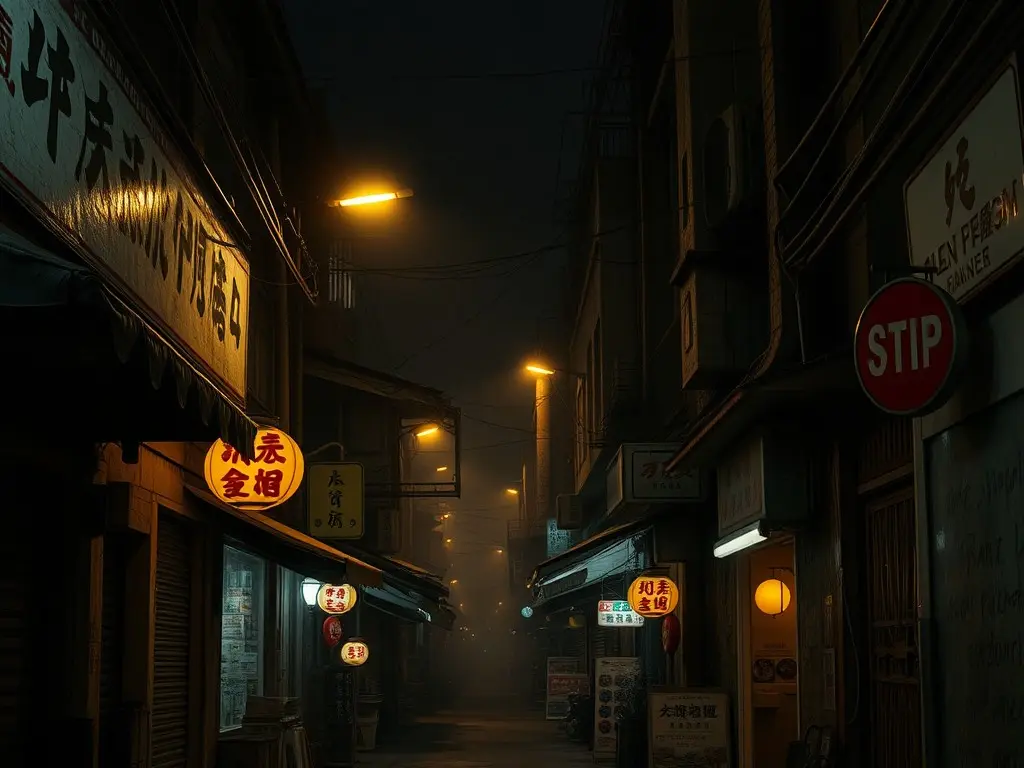
Multidisciplinary artist Ho Chee Jen launched *The Museum of Disappearance*, Malaysia’s first 24-hour open-air museum in Petaling Street, using hidden labels to mark personal and historical sites of change. The project, part of the KL Festival, explores urban memory and transformation through text-based works, supported by the 2025 Krishen Jit Fund and curated by Low Pey Sien.
Multidisciplinary artist Ho Chee Jen, known as OOOH, has transformed Petaling Street in Kuala Lumpur into Malaysia’s first open-air museum, *The Museum of Disappearance*. The project, launched during the KL Festival, replaces physical exhibits with discreet English labels placed at sites across the street that hold personal significance for Ho. These labels, blending into the surroundings, encourage visitors to explore the area’s shophouses and back alleys while reflecting on its evolving history. Ho, a lecturer in art and media studies, created the museum to preserve memories of Petaling Street, where she spent her secondary school years. Over time, familiar landmarks have been replaced by cafes, hotels, and souvenir stores, leaving her with a sense of loss. The project uses text-based and sound-based works to capture urban memory, personal experiences, and cultural imprints tied to the neighborhood. *The Museum of Disappearance* aligns with the KL Festival’s 2024 theme, *Memory and Tomorrow*, aiming to engage audiences in meaningful artistic experiences. Artistic director June Tan described the festival’s goal as sparking imagination and inspiring new perspectives on how memories shape the future. The museum will continue beyond the festival, funded by the 2025 Krishen Jit Fund and curated in collaboration with Low Pey Sien. Ho’s work also addresses the challenge of vandalism, which has affected some public art installations in Petaling Street. Despite this, the project invites residents and visitors to reconnect with the area’s history and consider the rapid changes reshaping it. By highlighting disappearing elements, Ho seeks to bridge the gap between memory and the city’s evolving landscape.
This content was automatically generated and/or translated by AI. It may contain inaccuracies. Please refer to the original sources for verification.