New Research Reveals Certain Fats Can Either Trigger or Suppress Cancer
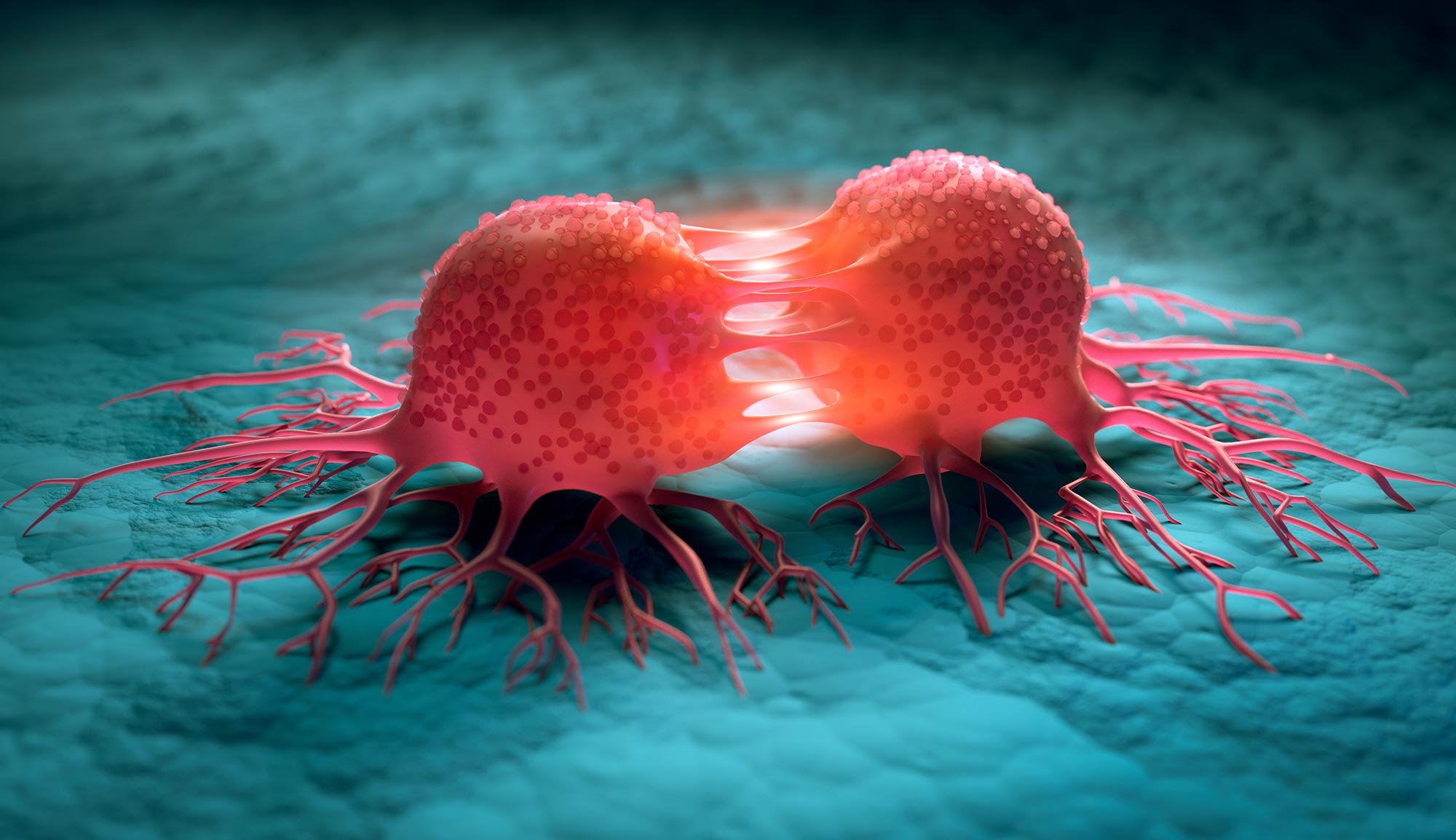
Researchers at Yale School of Medicine found that certain dietary fats, like oleic acid in olive oil, accelerate pancreatic tumor growth in mice, while omega-3-rich fats like fish oil reduce cancer development by 50%. The study, published in *Cancer Discovery*, highlights the differing effects of monounsaturated and polyunsaturated fatty acids on pancreatic cancer progression and survival.
A new study from Yale School of Medicine reveals that dietary fats play a critical but contradictory role in pancreatic cancer, with some accelerating tumor growth while others suppress it. The research, published in *Cancer Discovery*, challenges previous assumptions by showing that fat type—not just total fat intake—determines cancer outcomes. Oleic acid, the primary fatty acid in olive oil, unexpectedly promoted tumor growth in mice genetically prone to pancreatic ductal adenocarcinoma (PDAC), despite its reputation as heart-healthy. The findings contrast sharply with polyunsaturated fatty acids (PUFAs), particularly omega-3s found in fish oil, which reduced cancer development by 50% compared to standard fat diets. Researchers tested 12 high-fat diets in mice, all with equal calories but varying fat sources, to mimic modern American eating habits. Unlike prior studies using extreme lard-based diets, this approach isolated the effects of specific fatty acids, revealing that monounsaturated fats (MUFAs) like those in olive oil, peanuts, and lard protected cancer cells from oxidative damage, while PUFAs made them more vulnerable to ferroptosis, a form of cell death. Lead author Christian Felipe Ruiz, PhD, explained that MUFAs resist oxidation, shielding cancer cells, whereas PUFAs oxidize more easily, triggering cell death. The study underscores the urgent need for prevention strategies, as PDAC remains one of the deadliest cancers, with only 13% of U.S. patients surviving five years. Over 65,000 diagnoses and 50,000 deaths are projected in the U.S. this year, with limited treatment options for advanced cases. The research was led by Mandar Deepak Muzumdar, MD, and highlights how dietary choices may influence cancer progression. While high-fat diets have long been linked to increased PDAC risk, this study clarifies that specific fat types—rather than overall fat intake—drive these effects. The findings suggest potential dietary interventions to slow tumor growth, though further human studies are needed to confirm these results.
This content was automatically generated and/or translated by AI. It may contain inaccuracies. Please refer to the original sources for verification.