New SD law congests local elections; races to watch
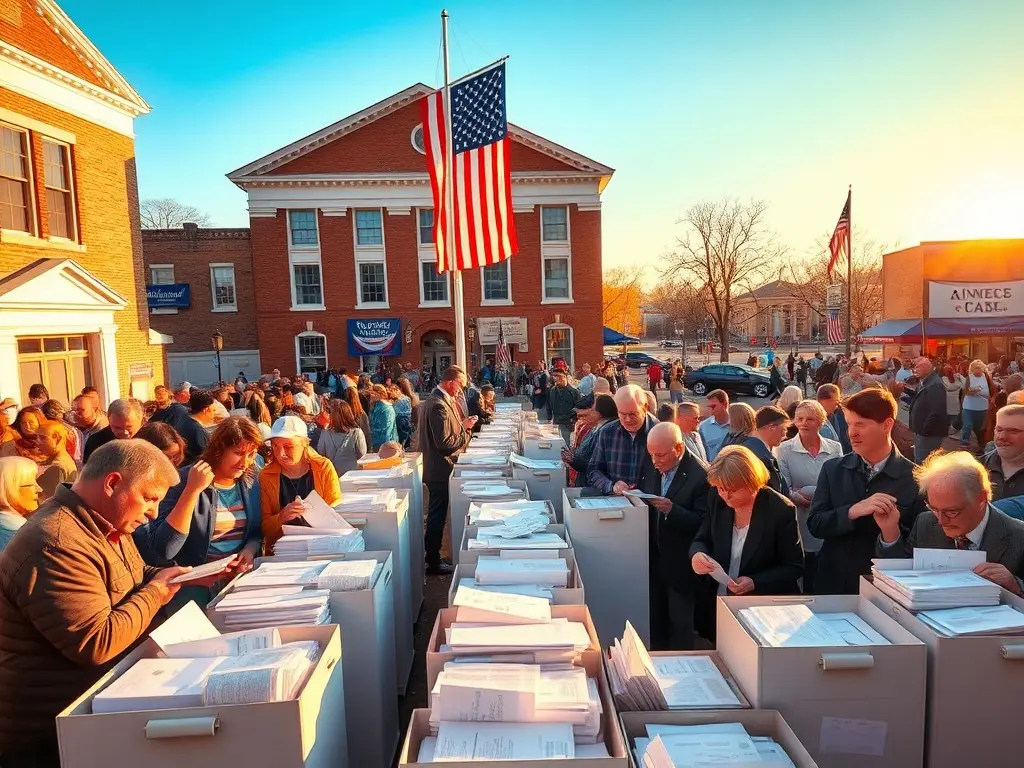
South Dakota’s HB 1130, effective January 1, 2026, consolidates municipal elections with statewide primaries or general elections, overwhelming local auditors with varied ballots and increasing voter engagement. The June 2 primary features competitive races for governor, statehouse seats, and local offices like sheriff, mayor, and school board, with Sioux Falls shifting its election from April to June under the new law.
South Dakota’s new election law, HB 1130, approved in 2025, requires municipalities to hold elections on either June 2 primary day or November general election day, taking effect January 1, 2026. The law, sponsored by former Republican Rep. Will Mortenson, aims to boost voter turnout by aligning local races with higher-profile statewide contests. However, the change has complicated ballot preparation for auditors, with Minnehaha County printing 324 different ballot styles for the June election, as reported by the South Dakota Municipal League. Around 61% of cities are opting for June elections, including Sioux Falls, which moved its mayoral, city council, and school board races from April to June. The June 2 ballot includes hotly contested primaries for governor and statehouse seats, drawing Republican voter focus, while local races like county commissioner, auditor, sheriff, and register of deeds positions also face competition. Independents and Democrats will vote on municipal offices such as mayor, city council, and school board, though many may overlook these races due to the primary’s partisan framing. Julia Hellwege, director of the University of South Dakota’s Chiesman Center for Democracy, noted that high-stakes elections often energize local races, increasing voter engagement despite disinterest in national politics. Brown County’s sheriff race stands out, with incumbent facing three challengers amid a crowded primary ballot. Hellwege emphasized that municipal elections, though held on primary day, are open to all voters, not just party-affiliated ones, risking confusion among those unaware of their eligibility. The law’s implementation has also strained election administrators, as the shift from staggered local elections to uniform dates requires significant logistical adjustments. Mortenson defended the change, prioritizing voter convenience over administrative ease, while auditors like Leah Anderson of Minnehaha County grapple with the added workload.
This content was automatically generated and/or translated by AI. It may contain inaccuracies. Please refer to the original sources for verification.