New study shows why rainfall remains hard to predict in a warming world
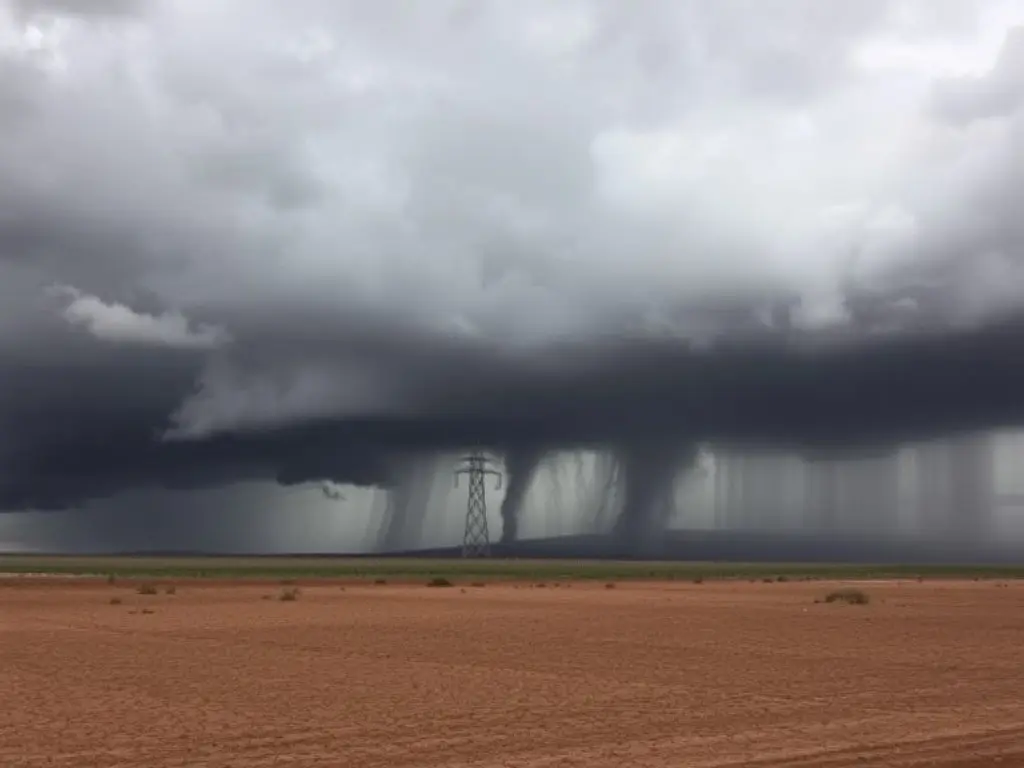
A new study led by the University of Oxford and ETH Zurich reveals that current climate models underestimate large-scale wind patterns that determine rainfall, limiting confidence in forecasts of floods and droughts. The study found that climate models capture thermodynamic changes but struggle to represent changes in circulation patterns, particularly in regions like Southern Europe.
Scientists have identified a critical gap in climate models that limits confidence in forecasts of floods and droughts. A new study analyzed winter rainfall patterns across the Northern Hemisphere from 1950 to 2022, revealing that climate models underestimate large-scale wind patterns that determine rainfall. The researchers examined thermodynamic and dynamic effects that drive changes in rainfall, finding that models capture thermodynamic changes but struggle to represent changes in circulation patterns. In Southern Europe, current climate models simulate only around 10% of the observed circulation-driven rainfall trend. The study identifies natural variability and model underestimation as reasons for this uncertainty, making it challenging to predict local rainfall changes. This insight could enable more confident projections of future rainfall patterns, supporting better preparation for floods and droughts.
This content was automatically generated and/or translated by AI. It may contain inaccuracies. Please refer to the original sources for verification.