New study uncovers surprises in urban Peruvians
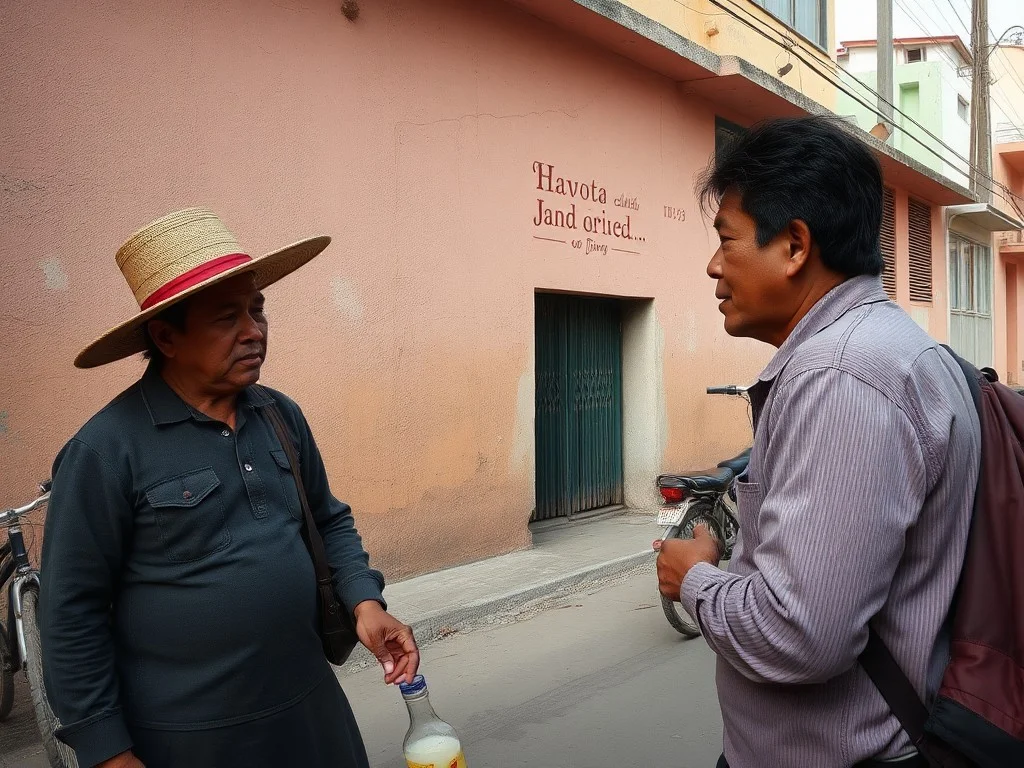
Researchers from the University of Maryland School of Medicine and the Peru Institute of National Health conducted a study to examine the genetic makeup of urban Peruvians, revealing a stronger connection to ancient Indigenous populations than expected. The study's findings have implications for the implementation of precision medicine in Latin American populations, highlighting the importance of understanding genetic ancestry in healthcare.
A recent study examined the genetic makeup of urban Peruvians, collecting blood samples from over 400 volunteers across 13 regions. The research revealed that urban Peruvians resemble ancient Indigenous populations from the Andes and Amazon regions. The study also found that women were more likely to transmit Indigenous ancestry, while men contributed more European ancestry. This reflects the uneven mixing between the sexes during colonial times. The research has significant implications for healthcare, particularly in the implementation of precision medicine. By understanding the fine-scale ancestry of Latin American populations, healthcare providers can tailor treatments to individual needs.
This content was automatically generated and/or translated by AI. It may contain inaccuracies. Please refer to the original sources for verification.