New tech could squeeze wildfire risk, carbon from forest debris
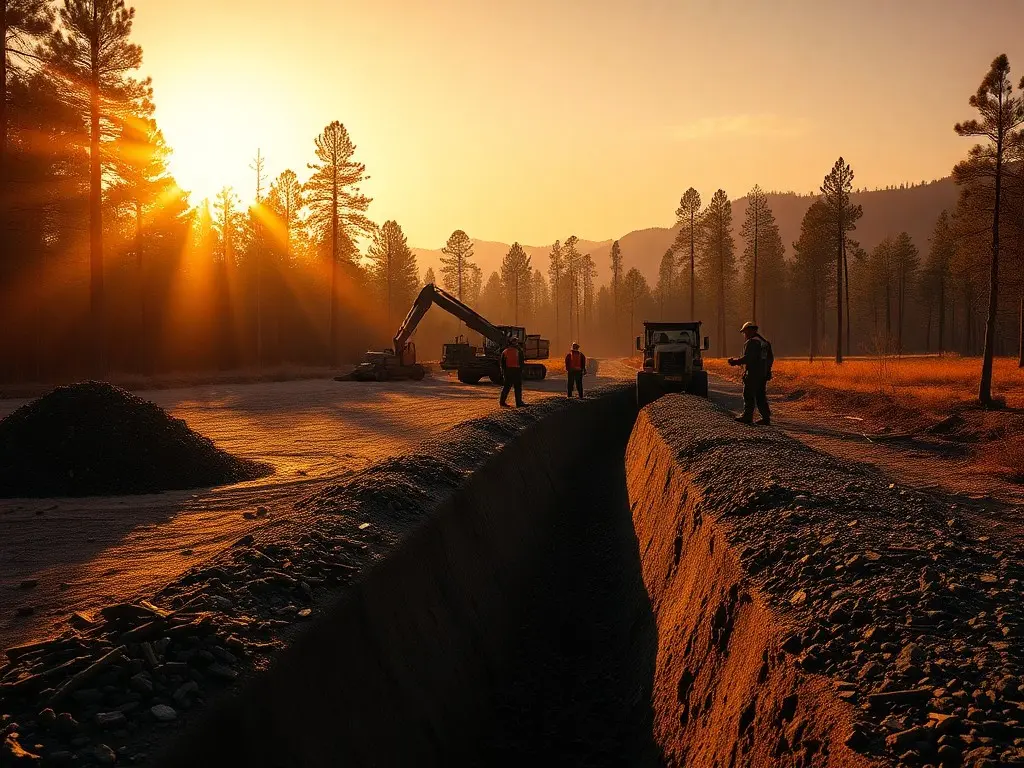
A startup called Graphyte plans to convert forest thinning debris into dense pellets and bury them underground to reduce wildfire risks and trap carbon, with its first trial set for Arizona’s Coconino National Forest in 2027. The project aims to address a major bottleneck in forest restoration efforts, where excess biomass from thinning operations often poses fire hazards and lacks sustainable disposal solutions.
Forest thinning projects in fire-prone regions like Arizona’s Dry Lake Hills often leave behind excess wood debris, which can become a fire hazard if not properly removed. The July 2019 Museum Fire, which burned 1,000 acres in 24 hours after an excavator sparked flames, highlighted the risks posed by unmanaged biomass left behind during thinning operations. Jay Smith, Coconino County’s forest restoration director, noted that piles of logs and branches in the forest created additional fire risks when flames spread. To address this issue, Arkansas-based startup Graphyte has partnered with Coconino County to convert forest debris into dense pellets and bury them underground. This method aims to reduce wildfire risks while locking carbon in the material, potentially offering a climate solution. However, the project’s long-term benefits and funding stability—relying on the volatile carbon market—remain uncertain. Graphyte’s first trial, Project Ponderosa in the Coconino National Forest, is pending permits from the Arizona Department of Environmental Quality. The company expects to begin processing wood fiber from Arizona’s forests in early 2027. The technology could help resolve a critical bottleneck in forest restoration, where thinning operations produce low-value biomass with few disposal options beyond burning, which risks pollution and new fires. Burning slash piles on-site, a common disposal method, has led to devastating wildfires, such as the 2022 Calf Canyon Fire in New Mexico, which became the state’s largest wildfire after merging with another blaze. Graphyte’s approach could offer a safer alternative by repurposing debris into a stable, carbon-sequestering material. The project’s success will depend on scaling the technology and securing consistent funding through carbon markets.
This content was automatically generated and/or translated by AI. It may contain inaccuracies. Please refer to the original sources for verification.