New test for global economy as trade, food and finance shocks spread
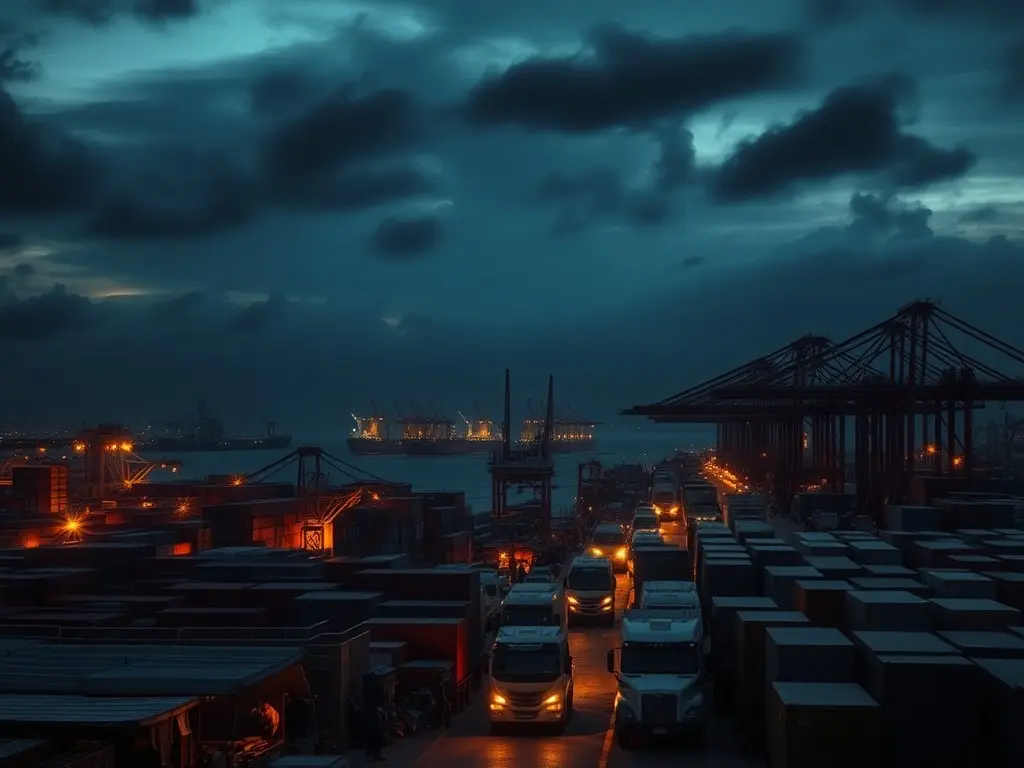
UNCTAD warns the global economy faces slowing growth in 2026, with geopolitical tensions and rising energy prices threatening trade, food security, and financial stability, particularly in developing nations. Growth is projected to drop from 2.9% in 2025 to 2.6% in 2026, while merchandise trade growth is expected to slow sharply due to uncertainty and supply chain disruptions.
The global economy is entering a more fragile phase in 2026, with geopolitical tensions replacing trade tensions as the primary source of instability, according to UNCTAD’s *Trade and Development Foresights 2026*. Growth is projected to slow from 2.9% in 2025 to 2.6% in 2026, as higher energy prices, transport disruptions, and financial volatility dampen investment and demand. Developing economies are particularly vulnerable, facing rising costs for fuel, food, and fertilizers alongside currency pressures and tighter financing conditions. While AI-driven sectors like semiconductors and servers sustained trade growth in early 2026, broader trade expansion is weakening, with merchandise trade growth expected to fall from 4.7% in 2025 to between 1.5% and 2.5% in 2026. Food security is worsening as financial stress spreads through global food systems, driven by higher fertilizer costs and tighter financing for trading firms. UNCTAD highlights that food security risks now extend beyond supply shortages, threatening financial stability in governments already burdened by debt. The report calls for stronger international cooperation, predictable trade policies, and increased investment in renewable energy to reduce reliance on fossil fuels. While clean energy is becoming more cost-competitive, uneven investment limits its benefits for developing nations, leaving them exposed to future shocks. UNCTAD emphasizes the need for financial safeguards to protect developing economies from volatility, urging faster transitions to sustainable energy and more stable global trade conditions.
This content was automatically generated and/or translated by AI. It may contain inaccuracies. Please refer to the original sources for verification.