Nintendo Celebrates Zelda Legacy with Ocarina of Time Remake Reveal
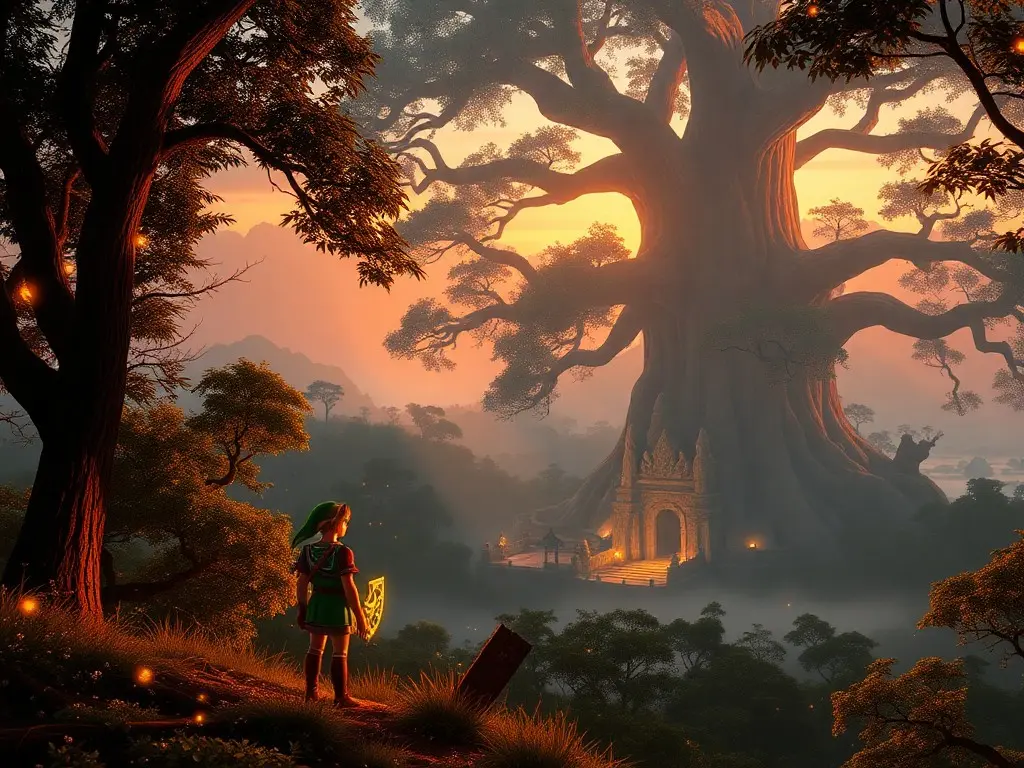
Nintendo announced a remake of *The Legend of Zelda: Ocarina of Time* during a June 2026 Nintendo Direct event, set for release on the Nintendo Switch 2 as part of the franchise’s 40th anniversary celebrations. The remake aims to modernize the 1998 classic while preserving its nostalgic appeal for longtime fans and introducing it to newer audiences familiar with *Breath of the Wild* and *Tears of the Kingdom*." "article": "Nintendo officially revealed a remake of *The Legend of Zelda: Ocarina of Time* during a Nintendo Direct presentation in June 2026. The project marks a return to the beloved 1998 Nintendo 64 title, which remains a cornerstone of gaming history and a defining experience for millions of players. The remake will launch exclusively on the upcoming Nintendo Switch 2, aligning with the Zelda series’ 40th anniversary. While an official release date has not been confirmed, the trailer showcased a visually updated version of Hyrule, blending modern graphics with the original’s iconic aesthetic. Unlike recent entries like *Breath of the Wild* and *Tears of the Kingdom*, the remake retains the distinct art style of the original game. The trailer begins with narration from the Great Deku Tree and Link’s childhood, instantly evoking nostalgia for fans who first played the game on the Nintendo 64. For older players, the remake offers a chance to revisit a defining adventure, while younger audiences—familiar with Link through later titles—will experience the classic for the first time. Nintendo’s decision reflects a broader industry trend, where remakes of iconic titles attract both long-time fans and new players. The game’s enduring legacy, combined with the company’s strong brand loyalty, ensures strong demand. By bridging generational gaps, the remake serves as both a tribute to the past and a strategic move to sustain the Zelda franchise’s growth. The announcement follows a pattern of successful remakes, such as *Resident Evil* and *Pokémon* revivals, proving that classic titles can draw massive audiences even decades later. Nintendo’s focus on *Ocarina of Time* highlights its commitment to preserving gaming heritage while expanding its reach.
Nintendo officially revealed a remake of *The Legend of Zelda: Ocarina of Time* during a Nintendo Direct presentation in June 2026. The project marks a return to the beloved 1998 Nintendo 64 title, which remains a cornerstone of gaming history and a defining experience for millions of players. The remake will launch exclusively on the upcoming Nintendo Switch 2, aligning with the Zelda series’ 40th anniversary. While an official release date has not been confirmed, the trailer showcased a visually updated version of Hyrule, blending modern graphics with the original’s iconic aesthetic. Unlike recent entries like *Breath of the Wild* and *Tears of the Kingdom*, the remake retains the distinct art style of the original game. The trailer begins with narration from the Great Deku Tree and Link’s childhood, instantly evoking nostalgia for fans who first played the game on the Nintendo 64. For older players, the remake offers a chance to revisit a defining adventure, while younger audiences—familiar with Link through later titles—will experience the classic for the first time. Nintendo’s decision reflects a broader industry trend, where remakes of iconic titles attract both long-time fans and new players. The game’s enduring legacy, combined with the company’s strong brand loyalty, ensures strong demand. By bridging generational gaps, the remake serves as both a tribute to the past and a strategic move to sustain the Zelda franchise’s growth. The announcement follows a pattern of successful remakes, such as *Resident Evil* and *Pokémon* revivals, proving that classic titles can draw massive audiences even decades later. Nintendo’s focus on *Ocarina of Time* highlights its commitment to preserving gaming heritage while expanding its reach.
This content was automatically generated and/or translated by AI. It may contain inaccuracies. Please refer to the original sources for verification.