No Deal, No Exit: Iran Intensifies Conflict, Raises Risks of Wider Fallout
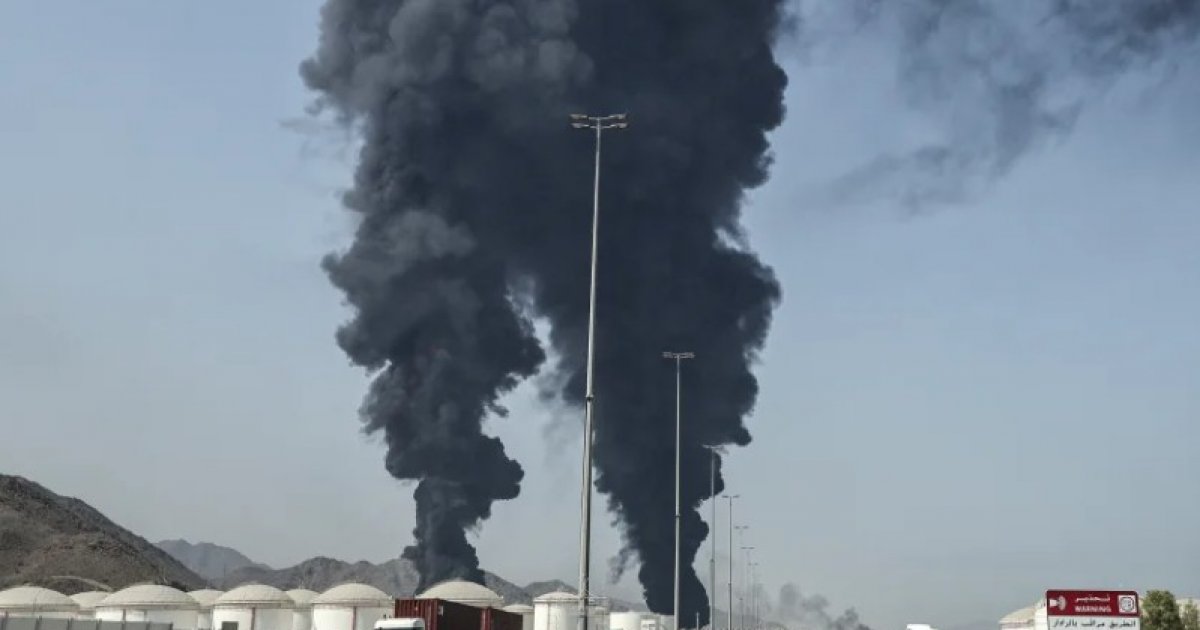
Iran faces economic contraction and inflation near 69% in 2026 due to sanctions and regional conflict, while its missile program and control over the Strait of Hormuz remain strategic priorities. Rising oil prices, U.S. military deployments in the Gulf, and global diplomatic efforts aim to prevent wider escalation amid growing domestic and international economic concerns.
Iran is experiencing severe economic strain, with the International Monetary Fund projecting a 6.1% contraction in 2026 and inflation nearing 69% under continued sanctions and regional conflict. The IMF also warned Iran’s inflation could remain above 30% in 2026 if tensions persist. Iranian officials have stated their missile program, enriched uranium stockpile, and influence over the Strait of Hormuz are essential strategic deterrents, describing the missile program as ‘non-negotiable.’ The conflict is escalating militarily, with the U.S. expanding naval deployments in the Gulf and Israel targeting Iranian-linked assets. The U.S. Department of Defense confirmed additional carrier strike group deployments and increased maritime security patrols to protect shipping routes. The Strait of Hormuz, through which roughly 20% of global petroleum liquids consumption passes daily, remains a flashpoint, with Iranian military risks growing across multiple fronts. Tehran’s regional alliances, including Hezbollah in Lebanon and Iraqi militia groups, face intensified U.S. and European sanctions. The Washington-based Center for Strategic and International Studies noted that prolonged sanctions and economic disruptions historically increase domestic political stress in Iran during extended confrontations. In the U.S., frustration is rising over prolonged tensions, with oil prices exceeding $111 per barrel and gasoline costs surpassing $4 per gallon in some regions. Polling from Pew Research Center and Gallup shows growing voter concern over foreign conflicts driving inflation and household expenses. Financial markets now anticipate a greater than 50% chance of a Federal Reserve rate hike by December due to energy price inflation risks. Global powers, including governments in Europe, Asia, and the Gulf, have intensified diplomatic efforts to prevent an economic crisis. The Strait of Hormuz handles about 20 million barrels of oil per day, equivalent to nearly one-quarter of global consumption, making its stability critical to energy security. Negotiations remain deadlocked, raising risks of wider regional destabilization.
This content was automatically generated and/or translated by AI. It may contain inaccuracies. Please refer to the original sources for verification.