No end to deadlock as Iran, US reject ceasefire terms
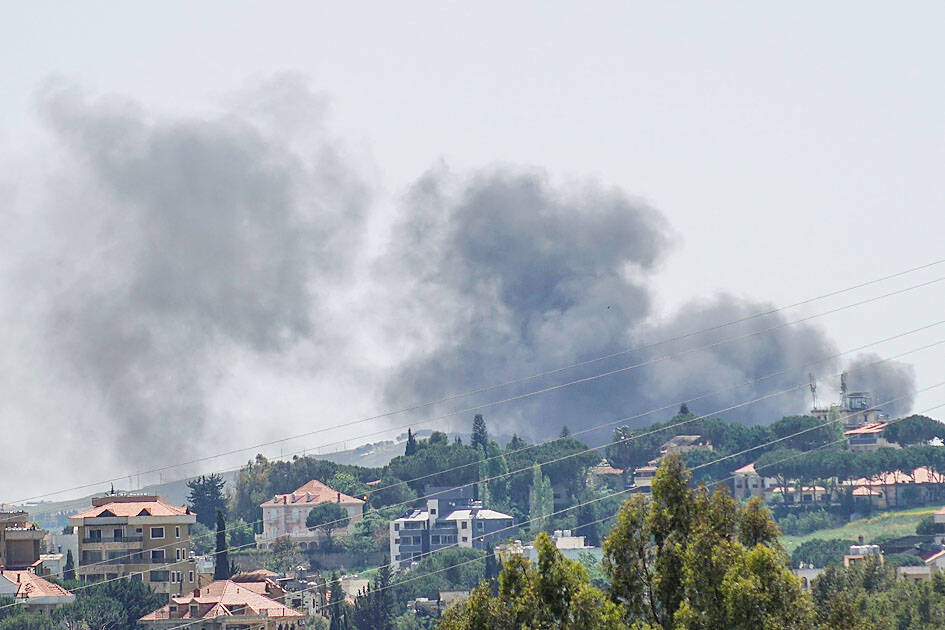
Iran and the US remain deadlocked in ceasefire negotiations, with Tehran demanding the release of frozen assets and an end to the US naval blockade, while President Donald Trump rejected the terms as unacceptable. Fresh drone attacks in the Gulf, including incidents in the UAE, Kuwait, and Qatar, and tensions over the Strait of Hormuz have heightened concerns of escalating conflict, pushing oil prices up by 4.65% to $99.95 a barrel.
Diplomatic talks between Iran and the US have collapsed after Tehran presented a counterproposal demanding the release of its frozen assets and an end to the US naval blockade, which President Donald Trump dismissed as unacceptable. Iran’s Foreign Ministry spokesman, Esmaeil Baqaei, stated that the demands were not concessions but the restoration of Iran’s “legitimate rights,” including halting Israel’s strikes on Hezbollah in Lebanon. The impasse has raised fears of renewed conflict in the Gulf, particularly over the Strait of Hormuz, a critical oil export route. The breakdown in negotiations follows Iran’s rejection of a US-proposed peace framework, which Trump called unacceptable without specifying the reasons. Iran’s counteroffer reportedly included diluting some of its highly enriched uranium, with the rest transferred to a third nation, though Tehran sought guarantees for its return if talks failed. Israeli Prime Minister Benjamin Netanyahu reiterated that the conflict would not end until Iran’s nuclear facilities were dismantled, emphasizing the presence of enriched uranium and active enrichment sites. Global energy markets reacted sharply, with Brent crude oil prices surging 4.65% to $99.95 a barrel amid concerns over disrupted shipping in the Strait of Hormuz. Iran has restricted maritime traffic and introduced a toll system for vessels passing through the waterway, a move the US has condemned as unacceptable. Meanwhile, drone attacks in the Gulf on Sunday targeted the UAE, Kuwait, and Qatar, further destabilizing the region. The lack of progress in negotiations has also focused attention on US President Trump’s upcoming visit to China, where he is expected to press Chinese President Xi Jinping on the Iran issue. China remains a major buyer of Iranian oil, adding another layer of complexity to the diplomatic stalemate. With no clear path to resolution, tensions in the Middle East continue to escalate, raising the risk of broader conflict.
This content was automatically generated and/or translated by AI. It may contain inaccuracies. Please refer to the original sources for verification.