North Korea's 'Dead Hand'? Pyongyang will fire nukes if Kim Jong-un is killed
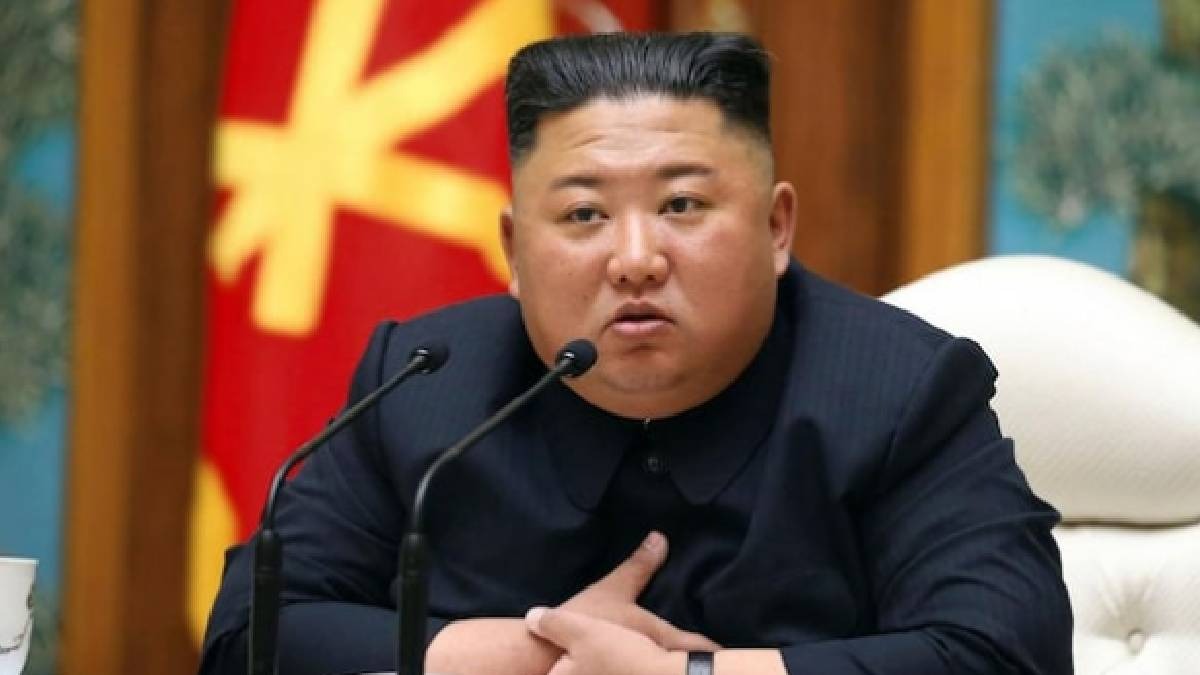
North Korea revised its constitution to mandate an automatic nuclear strike if Kim Jong-un is assassinated or incapacitated, citing the recent US-Israeli strikes on Iran as a wake-up call. The change, adopted during the 15th Supreme People’s Assembly, establishes immediate retaliation if hostile attacks threaten its nuclear command-and-control system, mirroring Cold War-era 'Dead Hand' deterrence strategies.
North Korea has amended its constitution to enforce an automatic nuclear retaliation protocol if leader Kim Jong-un is killed or incapacitated during a hostile attack. The revision, announced during the first session of the 15th Supreme People’s Assembly on March 22, mandates immediate nuclear strikes if the country’s nuclear command-and-control system is jeopardized, according to a briefing by South Korea’s National Intelligence Service (NIS). The constitutional change follows the joint US-Israeli strikes on Iran, which eliminated Supreme Leader Ali Khamenei and senior advisers, prompting Pyongyang to formalize its contingency plans. Under the updated Article 3 of North Korea’s nuclear policy law, retaliation will occur ‘automatically and immediately’ even if Kim is unable to issue orders, reinforcing a ‘Dead Hand’-style deterrence strategy akin to the Soviet Union’s Cold War-era Perimeter system. Experts suggest North Korea likely had such plans in place but institutionalized them after observing the precision of the Iran attacks. Professor Andrei Lankov of Kookmin University in Seoul noted that Pyongyang is now ‘terrified’ of a similar decapitation strike, though executing one in North Korea would be far more challenging due to its isolated infrastructure and tight security. Kim’s heavily armored travel and limited foreign access complicate intelligence gathering, making a surprise attack difficult. The move coincides with North Korea’s hardening military stance against South Korea, despite recent peace overtures from Seoul. Pyongyang has repeatedly labeled South Korea its primary enemy and removed references to Korean unification from its constitution. Additionally, state media KCNA reported Kim inspected production of a new 155-millimeter self-propelled gun-howitzer, signaling further militarization near the inter-Korean border. Analysts believe any retaliatory strike would likely target the United States rather than South Korea, as Seoul is seen as an unlikely aggressor. The revision underscores North Korea’s determination to preserve its nuclear capabilities as an ultimate deterrent, embedding preemptive strike protocols into its legal framework.
This content was automatically generated and/or translated by AI. It may contain inaccuracies. Please refer to the original sources for verification.