Northland’s increase in landslide claims linked to extreme weather and climate change
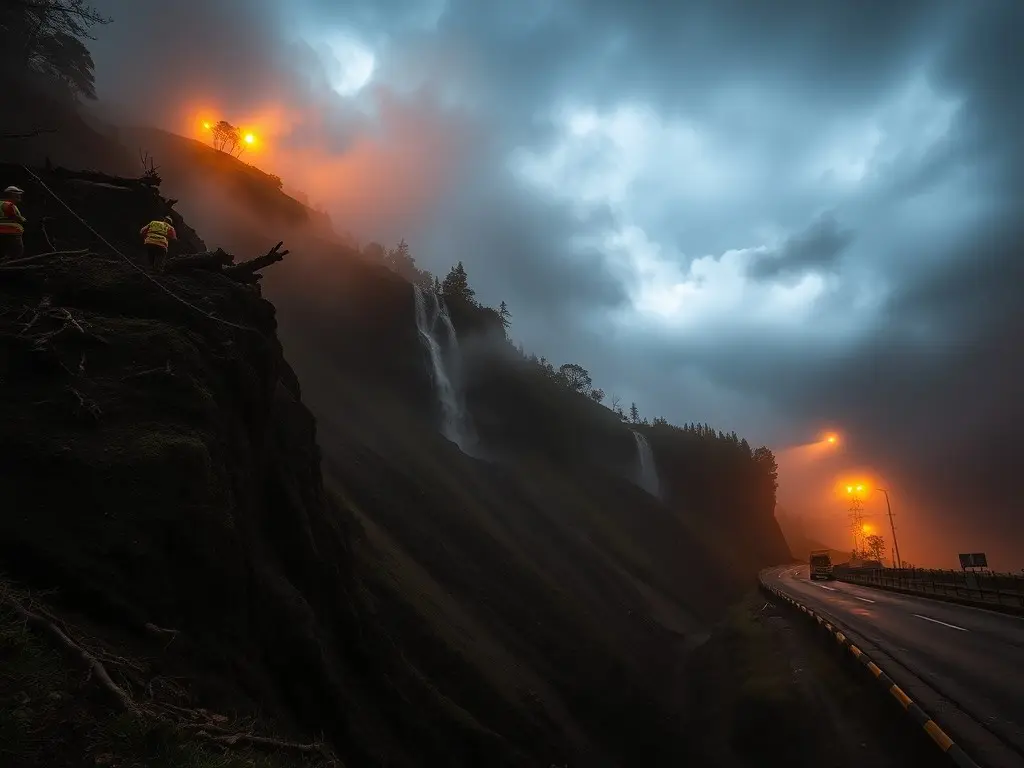
Northland, New Zealand, has seen a surge in landslide claims—nearly 13,000 in the past five years—linked to extreme weather and climate change, with engineers warning of heightened slope instability during heavy rain. The Natural Hazard Commission Toka Tū Ake reports 1,916 claims in Northland alone, while experts urge residents to assess risks and prepare for potential evacuations as El Niño conditions may temporarily reduce rainfall risks by mid-2026.
New Zealand’s Northland region has experienced a dramatic rise in landslide-related damage claims, with nearly 13,000 submissions over the past five years—10,000 more than the previous five-year period. The Natural Hazard Commission Toka Tū Ake attributes this increase to more frequent and intense storms, exacerbated by climate change, making slopes increasingly unstable. As of April, the commission recorded 1,916 landslide claims across Northland, including 707 in the Far North, 938 in Whangārei, and 271 in the Kaipara District. Engineers warn that winter rainfall will further strain already unstable slopes, with Conor Pullman of LDE noting that prolonged wet conditions elevate groundwater levels, reducing slope stability. Recent floods in Ōakura near Whangārei highlighted immediate risks to homes, prompting Pullman to advise residents to monitor land movement and prepare evacuation plans. He also highlighted updated regulatory standards, including the National Policy Statement for Natural Hazards, which now standardizes landslide risk assessments during development approvals. The New Zealand Geotechnical Society has released detailed guidance on slope stability, aimed at engineers and consultants to improve risk mitigation. Meanwhile, Earth Sciences New Zealand predicts El Niño conditions for May–July, with peak effects expected in summer 2026–27, potentially reducing rainfall and lowering landslide risks temporarily. Northland Regional Council’s Louisa Gritt emphasized that climate-driven erosion increases sedimentation in rivers, heightening landslide vulnerability. She urged residents living on or near slopes to assess their property’s risks and remain vigilant, as instability can persist even after rain subsides. Civil Defence Emergency Management notes landslides remain an ongoing hazard, requiring continuous community awareness and preparedness.
This content was automatically generated and/or translated by AI. It may contain inaccuracies. Please refer to the original sources for verification.