Not even Photoshopped: Plastic surgery clinics turn to AI for ads
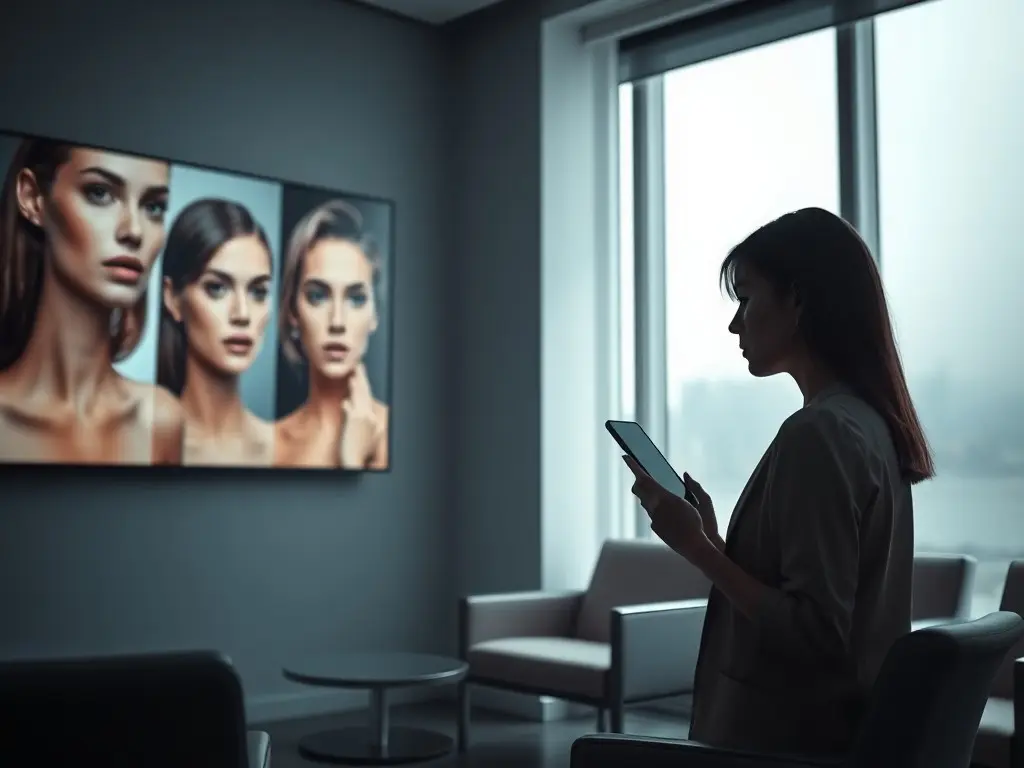
AI-generated images in plastic surgery clinic ads are raising consumer skepticism in South Korea, as users struggle to verify authenticity without clear disclosures. The Korea Fair Trade Commission plans to revise advertising guidelines to regulate AI-generated virtual endorsements, classifying them as potentially deceptive if not properly labeled.
Online platforms in South Korea are seeing a rise in AI-generated promotional images from plastic surgery clinics, deepening consumer distrust over authenticity. Users like Park Ji-yeon, a 30-year-old office worker, report confusion after discovering some posts were AI-created despite appearing genuine. These images, often sold by freelancers on platforms for 10,000 to 30,000 won per photo, lack transparency, misleading potential clients about real results. The trend extends beyond clinics to industries like hair salons, where visual proof heavily influences decisions. The Korea Fair Trade Commission responded last month by proposing stricter advertising rules, requiring disclosures for AI-generated virtual figures. Ads featuring virtual endorsements without real-world validation could face penalties under the revised guidelines. The commission aims to consult experts and government agencies before finalizing the changes. Meanwhile, consumers remain vulnerable to deceptive marketing, as AI-generated content blurs the line between reality and promotion. Regulatory action seeks to restore trust by enforcing clearer labeling standards for synthetic media in ads.
This content was automatically generated and/or translated by AI. It may contain inaccuracies. Please refer to the original sources for verification.