‘Not normal’: On one April day, all of the planet’s top 50 hottest cities were in a single country
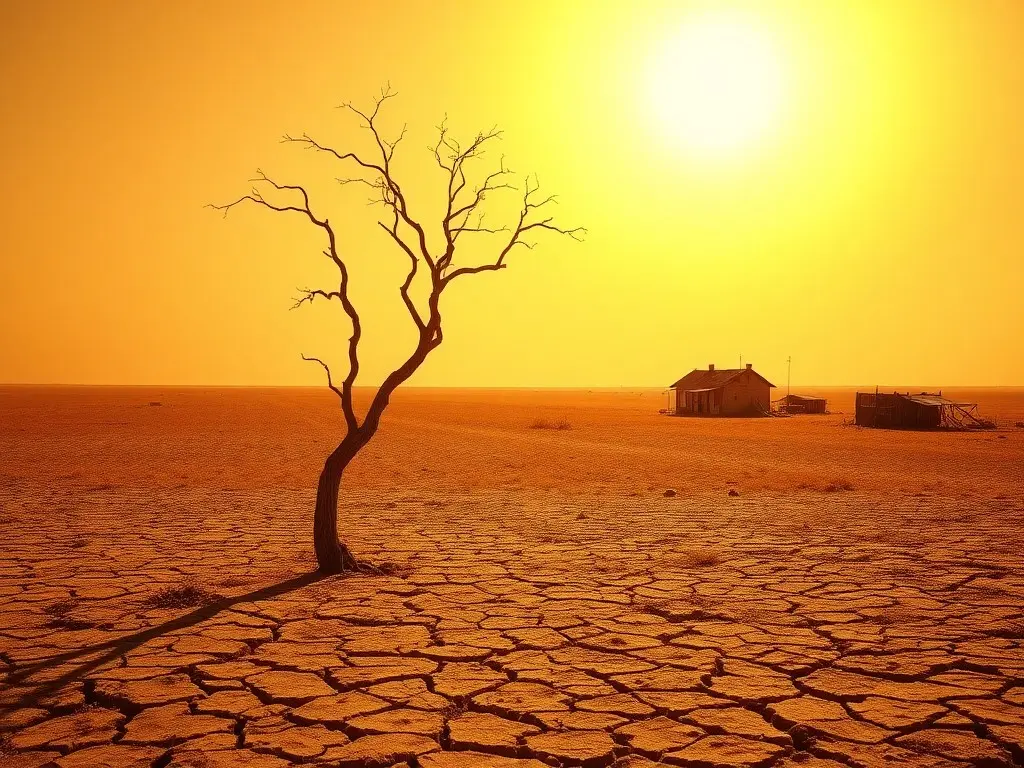
On April 27, India’s top 50 hottest cities—including Banda, Uttar Pradesh—recorded unprecedented heat, with temperatures peaking at 112.5°F (44.7°C) and breaking global daily records, as climate experts warn of worsening heat waves. The Indian Meteorological Department forecasts above-average summer temperatures, compounded by El Niño risks, threatening agriculture, water supplies, and public health across central and eastern states." "article": "India experienced an unprecedented heat event on April 27, when all 50 of the world’s hottest cities were located within its borders, according to AQI, an air quality monitoring platform. The data showed no modern precedent for such extreme April temperatures, with an average peak of 112.5°F (44.7°C) across these cities. Banda, in the northern state of Uttar Pradesh, recorded the highest temperature globally that day at 115.16°F (46.2°C), with nighttime lows remaining at a scorching 94.5°F (34.7°C). Most of these cities fall within India’s ‘interior heat belt,’ a region already prone to brutal summers. Climatologist Maximiliano Herrera described the heat wave as among the harshest for April, noting dozens of regional temperature records were shattered. While one day’s data does not confirm a long-term trend, India has faced increasingly severe heat waves linked to the climate crisis, with summers arriving earlier and lasting longer. Last year, parts of the country saw temperatures spike above 100°F (37.8°C) in April—up to 5°F (3°C) above seasonal averages—raising concerns that extreme heat may soon exceed human survivability thresholds by 2050. The current heat wave coincides with fuel shortages caused by disruptions from the Iran war, worsening energy constraints as cooling demands surge. Experts warn that central and eastern India could face dangerous heat indices exceeding 122°F (50°C) or even 140°F (60°C) later this month, posing severe risks to vulnerable populations, outdoor workers, and agriculture. The Indian Meteorological Department has already issued warnings of above-average summer temperatures, while the anticipated El Niño phenomenon threatens to weaken the 2026 monsoon season, potentially reducing rainfall and exacerbating drought conditions. Extreme heat is the deadliest form of natural disaster, disproportionately affecting children, the elderly, and laborers with limited shade or hydration. The strain on India’s healthcare system and economy is expected to intensify, particularly if monsoon rains fail to replenish reservoirs and aquifers. AQI emphasized the need for urgent, data-driven solutions to address the escalating climate crisis and its immediate human and economic toll.
India experienced an unprecedented heat event on April 27, when all 50 of the world’s hottest cities were located within its borders, according to AQI, an air quality monitoring platform. The data showed no modern precedent for such extreme April temperatures, with an average peak of 112.5°F (44.7°C) across these cities. Banda, in the northern state of Uttar Pradesh, recorded the highest temperature globally that day at 115.16°F (46.2°C), with nighttime lows remaining at a scorching 94.5°F (34.7°C). Most of these cities fall within India’s ‘interior heat belt,’ a region already prone to brutal summers. Climatologist Maximiliano Herrera described the heat wave as among the harshest for April, noting dozens of regional temperature records were shattered. While one day’s data does not confirm a long-term trend, India has faced increasingly severe heat waves linked to the climate crisis, with summers arriving earlier and lasting longer. Last year, parts of the country saw temperatures spike above 100°F (37.8°C) in April—up to 5°F (3°C) above seasonal averages—raising concerns that extreme heat may soon exceed human survivability thresholds by 2050. The current heat wave coincides with fuel shortages caused by disruptions from the Iran war, worsening energy constraints as cooling demands surge. Experts warn that central and eastern India could face dangerous heat indices exceeding 122°F (50°C) or even 140°F (60°C) later this month, posing severe risks to vulnerable populations, outdoor workers, and agriculture. The Indian Meteorological Department has already issued warnings of above-average summer temperatures, while the anticipated El Niño phenomenon threatens to weaken the 2026 monsoon season, potentially reducing rainfall and exacerbating drought conditions. Extreme heat is the deadliest form of natural disaster, disproportionately affecting children, the elderly, and laborers with limited shade or hydration. The strain on India’s healthcare system and economy is expected to intensify, particularly if monsoon rains fail to replenish reservoirs and aquifers. AQI emphasized the need for urgent, data-driven solutions to address the escalating climate crisis and its immediate human and economic toll.
This content was automatically generated and/or translated by AI. It may contain inaccuracies. Please refer to the original sources for verification.