Now Interacting: Robotics and AI in Manufacturing
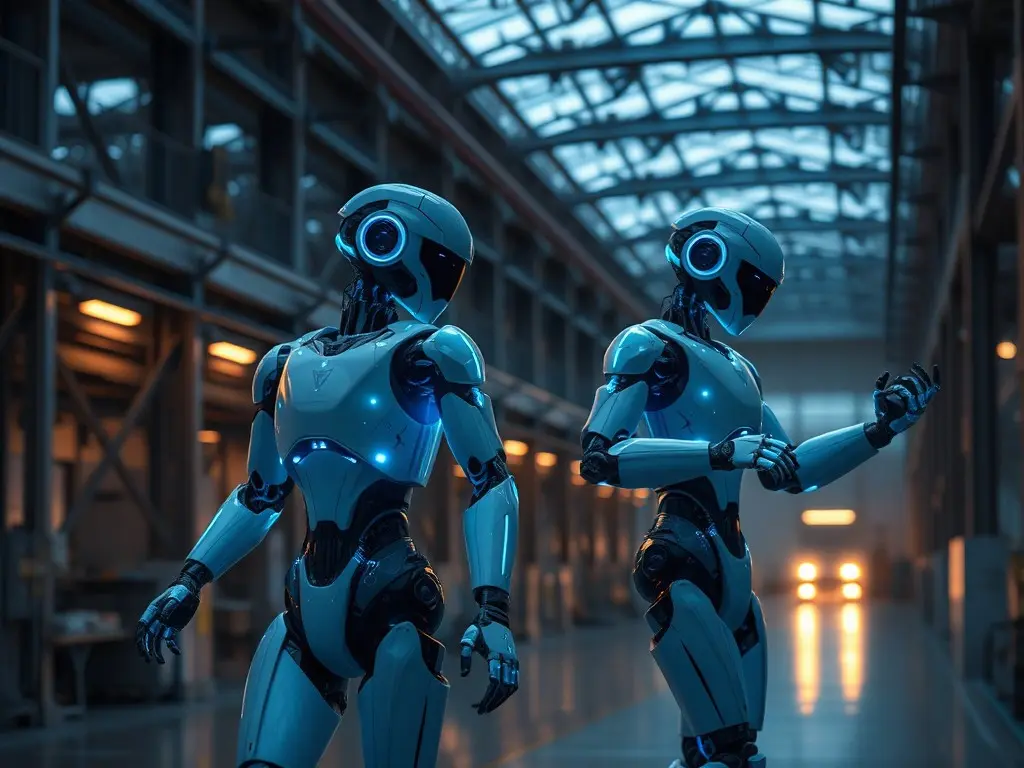
An IEEE Global Study projects AI will transform robotics in manufacturing, with 52% of technologists expecting AI-driven adaptive robotics to replace rigid systems by 2026, enabling flexible production and real-time workflow optimization. Advances in AI-powered vision and reinforcement learning will allow robots to handle variable tasks without reprogramming, improving efficiency in high-mix, low-volume manufacturing and intelligent supply chains.
A new IEEE Global Study reveals AI is reshaping robotics in manufacturing, with 52% of technologists identifying robotics as the area most influenced by AI in the next decade. Traditional industrial robots rely on rigid programming, requiring downtime for adjustments when product lines or processes change. AI-driven adaptive robotics, however, use deep learning and reinforcement learning to perceive, reason, and adjust in real time, reducing the need for extensive reprogramming. This shift is particularly impactful in high-mix, low-volume production, where traditional automation struggles to justify costs. AI-enabled robots can now handle variable parts without custom fixtures and optimize paths dynamically, making automation viable for processes previously reliant on manual labor. For example, a robotic cell used for palletizing goods can be reconfigured via AI-assisted vision to perform kitting or material handling for a different product line later in the day—without the downtime of traditional reprogramming. Warehouse automation is also evolving, with AI orchestration enabling robotic fleets to shift from isolated tasks to dynamic, decision-aware workflows across production, inventory, and shipping. While some advanced distribution centers already use autonomous mobile robots (AMRs), AI will soon allow these systems to prioritize tasks based on real-time operational data, improving efficiency in supply chains. The study highlights labor shortages and supply chain volatility as key drivers for this transformation. AI-powered robotics are not just a futuristic vision but a practical solution to reduce downtime, tighten margins, and improve scalability in manufacturing. By linking various systems through AI, factories can enhance predictive maintenance, quality control, and overall operational efficiency. Human-robot collaboration is also advancing, with AI interfaces translating natural language and gestures to make automation more accessible for smaller manufacturers. This integration ensures that smarter, more flexible robots can be redeployed across tasks, extending asset life and accelerating payback periods.
This content was automatically generated and/or translated by AI. It may contain inaccuracies. Please refer to the original sources for verification.