NY state budget nears finish as education funding comes into focus
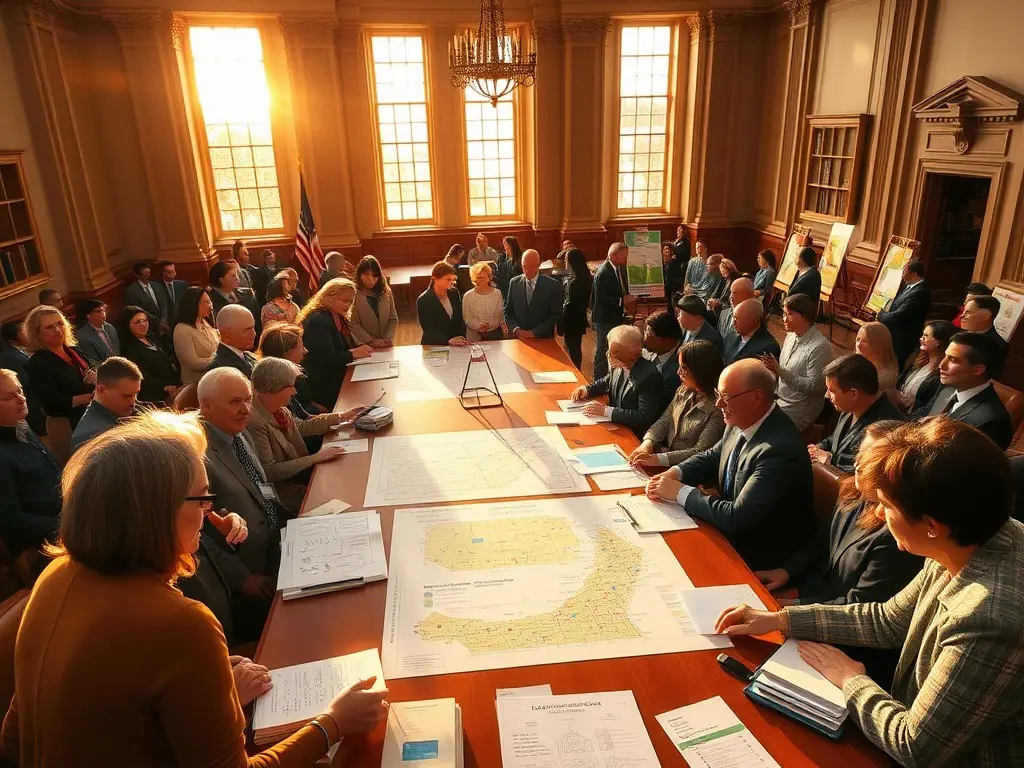
New York’s Education, Labor and Family Assistance (ELFA) bill was passed on May 20, 2026, allocating a 2% increase in Foundation Aid for school districts, expanded funding for students in foster care or experiencing homelessness, and a statewide universal pre-K mandate by 2028-2029. The state also delayed its electric school bus mandate to 2032 for purchases and 2040 for full implementation while allowing renewable energy projects for schools, amid ongoing budget negotiations with eight remaining bills pending.
New York’s Education, Labor and Family Assistance (ELFA) bill was introduced on May 20, 2026, marking progress in the state’s delayed budget process, now 50 days past the deadline. The bill includes key education funding measures, such as a 2% increase in Foundation Aid for school districts and additional support for students in foster care or experiencing homelessness. Governor Kathy Hochul’s push for universal pre-K was also finalized, with a statewide mandate set for the 2028-2029 school year. The state’s controversial electric school bus mandate, opposed by Republicans, was postponed five years, shifting the purchase deadline to 2032 and full implementation to 2040. Districts will also gain access to state funding for renewable energy projects like solar and geothermal installations. At the higher education level, the Opportunity Promise Scholarship was expanded to cover all state-run colleges and universities, not just community colleges. SUNY and CUNY schools were granted permission to continue raising tuition for out-of-state students through the 2028-2029 academic year. Senator Tom O’Mara criticized the rushed process, arguing that lawmakers should wait the constitutionally required three days before voting on the bill. A 14th extender bill was passed to keep state operations running until May 26 while negotiations continue. With eight remaining budget bills pending, lawmakers have nine days left in the session to finalize the budget and pass additional legislation. The delay has disproportionately affected needy school districts, which rely on timely state funding for operations.
This content was automatically generated and/or translated by AI. It may contain inaccuracies. Please refer to the original sources for verification.