Of robots and men: European AI-driven technology aims to recast e-commerce logistics
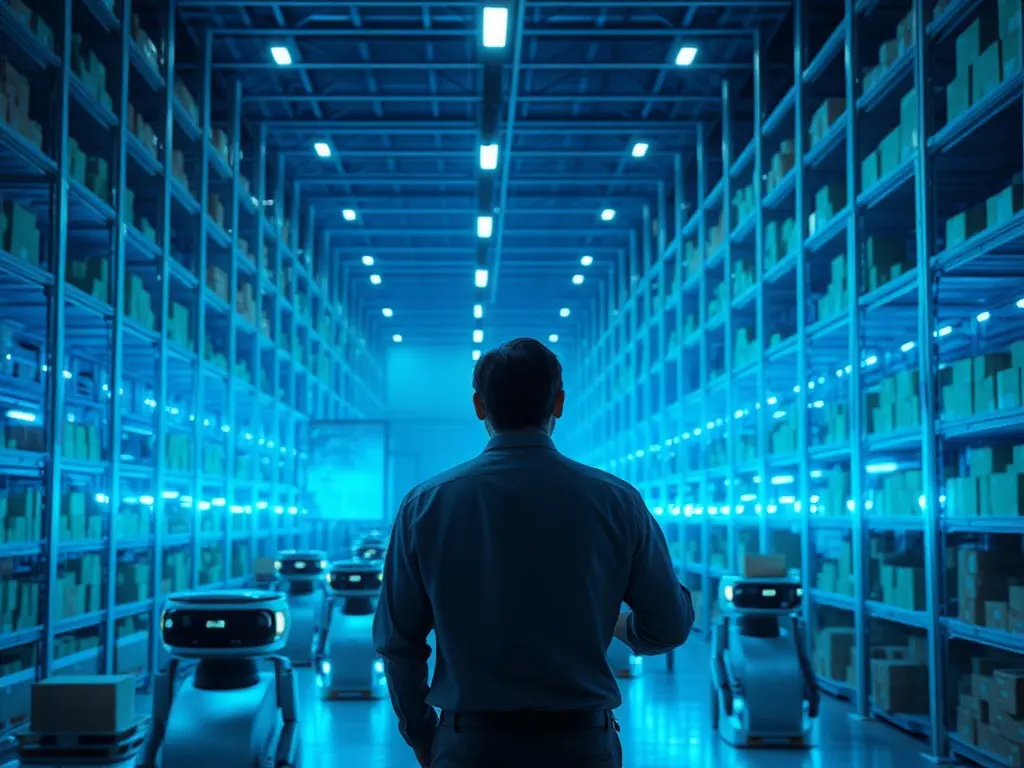
AI-driven robots at a CEVA Logistics warehouse near Berlin handle over 600 units per hour, optimizing e-commerce logistics 24/7. Warsaw-based startup Nomagic developed the cloud-based AI system, securing €50M in 2025 funding while emphasizing human-machine collaboration over full automation.
AI-powered robots in a CEVA Logistics warehouse near Berlin process over 600 units hourly, autonomously identifying items and packaging for efficient handling. The system operates continuously without breaks, improving cost and volume efficiency, according to Nitin Annam, Head of Operations at CEVA Logistics. He stressed that automation complements rather than replaces human workers, enabling cheaper and more scalable e-commerce operations. The technology was designed by Nomagic, a Warsaw-based startup with 140 employees, using cloud-based AI to train robots through real-time sensor data. Ewa Maciaś, Director of Software Engineering at Nomagic, explained that the AI adapts to new items, adjusting based on images and metrics collected during operations. This allows the robots to handle diverse products, including fragile items like shoeboxes, ensuring proper grip and stability. A key challenge was developing robotic hands capable of securely picking varied items, from plastic-wrapped goods to cardboard boxes. Mechatronics engineer Mateusz Karolak noted that success requires picking entire items intact, not just individual components. The startup has tripled its business and client base in recent years, securing €50 million in 2025 to advance AI-driven robotics. Klaus Lichtenfeld, Head of Logistics for a major EU online fashion retailer using the warehouse, highlighted the robots’ ability to handle volatile e-commerce demand without staffing planning issues. Kacper Nowicki, Nomagic’s CEO, emphasized that while robots reduce manual labor, human oversight remains essential for maintenance and training. Employees reportedly take pride in working with advanced technology, fostering a collaborative approach. Both developers and users stress that fully automated warehouses are impractical, with Annam and Lichtenfeld agreeing on the need for human-machine harmony. The focus remains on leveraging AI for efficiency while preserving jobs and operational flexibility in logistics.
This content was automatically generated and/or translated by AI. It may contain inaccuracies. Please refer to the original sources for verification.