Oil and Gas Trade Will Never Be the Same After the Iran War
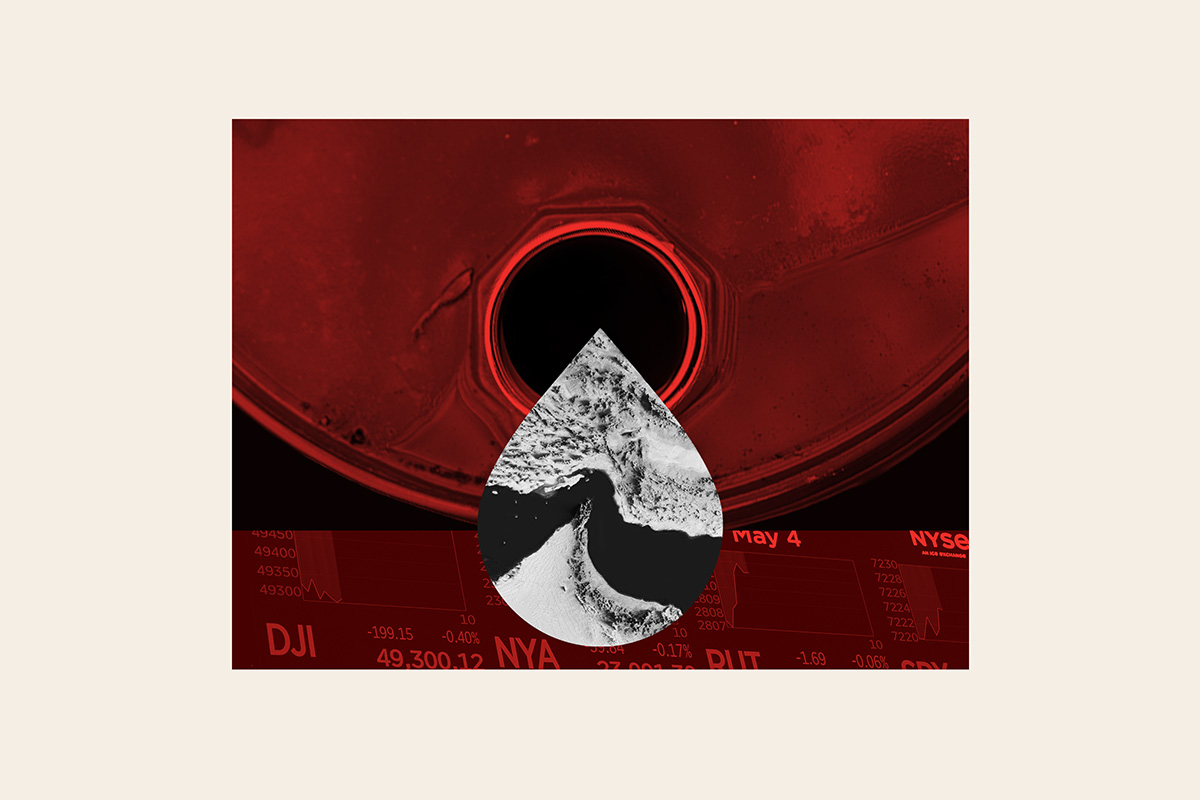
The U.S.-Israeli war with Iran has disrupted global oil trade through the Strait of Hormuz, causing a 50% rise in U.S. gas prices to $4.48 per gallon, while experts warn of long-term energy market shifts and infrastructure damage. Over 600 million barrels of oil have been removed from global supply, with potential losses exceeding a billion barrels, as geopolitical tensions reshape maritime security and energy trade dynamics." "article": "The conflict between the U.S., Israel, and Iran has triggered lasting changes in the global oil market, particularly through disruptions in the Strait of Hormuz, a critical shipping route for roughly one-fifth of the world’s crude oil. Since late February, gas prices in the U.S. have surged 50%, averaging $4.48 per gallon as of Tuesday, driven by rising crude oil costs due to supply chain bottlenecks. Iran has restricted maritime shipping through the Strait as retaliation, while also targeting energy infrastructure in the Arabian Peninsula. The U.S. responded with a counterblockade, preventing vessels linked to Iranian ports from transiting the region. A temporary military escort operation was later canceled after negotiations with Tehran, though clashes continue to destabilize the area. Experts warn the crisis will have long-term consequences, with over 600 million barrels of oil already removed from global markets and potential losses exceeding a billion barrels. Brett Erickson of Obsidian Risk Advisors noted that direct strikes on energy infrastructure will take years to repair, permanently altering market prices. Christian Bueger, a maritime security expert, added that the conflict marks a turning point in global energy trade, compounding trends like declining U.S. naval dominance and the weaponization of critical maritime routes. The uncertainty has extended beyond oil, with geopolitical fragmentation and asymmetric warfare reshaping maritime security. The Strait of Hormuz’s vulnerability, combined with ongoing tensions, suggests energy markets will operate under new, higher-cost conditions. Analysts emphasize that the system has been fundamentally disrupted, with prices unlikely to return to pre-conflict levels.
The conflict between the U.S., Israel, and Iran has triggered lasting changes in the global oil market, particularly through disruptions in the Strait of Hormuz, a critical shipping route for roughly one-fifth of the world’s crude oil. Since late February, gas prices in the U.S. have surged 50%, averaging $4.48 per gallon as of Tuesday, driven by rising crude oil costs due to supply chain bottlenecks. Iran has restricted maritime shipping through the Strait as retaliation, while also targeting energy infrastructure in the Arabian Peninsula. The U.S. responded with a counterblockade, preventing vessels linked to Iranian ports from transiting the region. A temporary military escort operation was later canceled after negotiations with Tehran, though clashes continue to destabilize the area. Experts warn the crisis will have long-term consequences, with over 600 million barrels of oil already removed from global markets and potential losses exceeding a billion barrels. Brett Erickson of Obsidian Risk Advisors noted that direct strikes on energy infrastructure will take years to repair, permanently altering market prices. Christian Bueger, a maritime security expert, added that the conflict marks a turning point in global energy trade, compounding trends like declining U.S. naval dominance and the weaponization of critical maritime routes. The uncertainty has extended beyond oil, with geopolitical fragmentation and asymmetric warfare reshaping maritime security. The Strait of Hormuz’s vulnerability, combined with ongoing tensions, suggests energy markets will operate under new, higher-cost conditions. Analysts emphasize that the system has been fundamentally disrupted, with prices unlikely to return to pre-conflict levels.
This content was automatically generated and/or translated by AI. It may contain inaccuracies. Please refer to the original sources for verification.