Oklahoma to vote on minimum wage increase in June
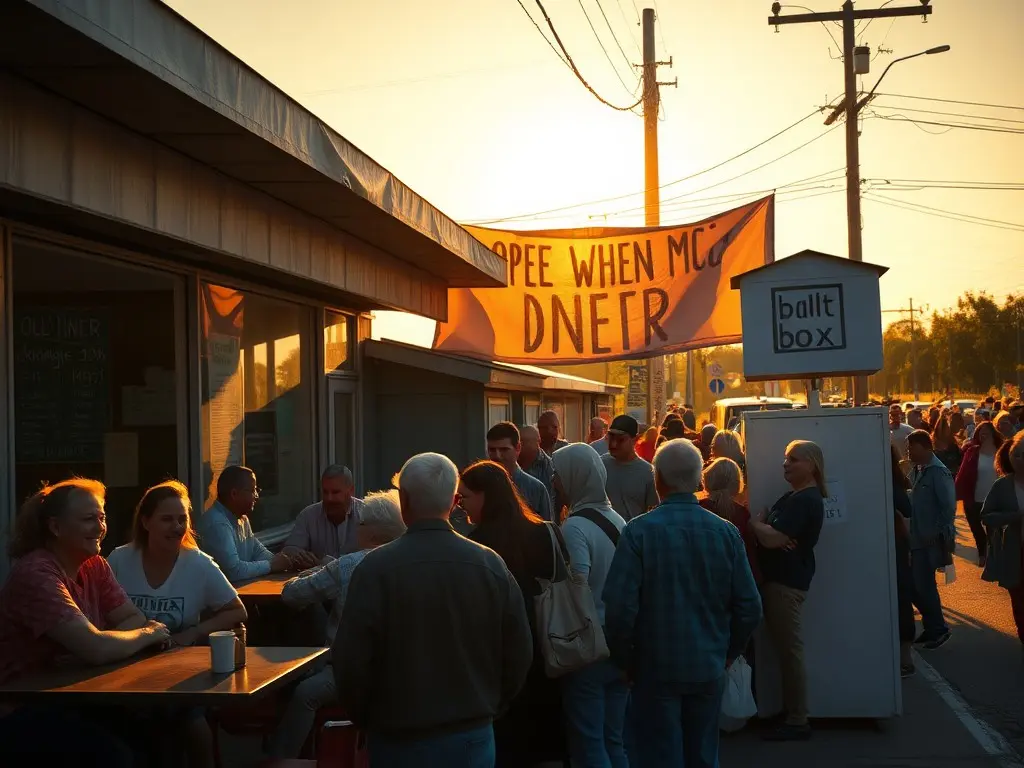
Oklahoma voters will decide on June 16 whether to raise the state’s minimum wage from $7.25 to $15 by 2029, with future increases tied to the Consumer Price Index, affecting about 350,000 workers. Opponents argue market forces are already increasing wages, while proponents say the current wage is unlivable and long overdue for adjustment.
Oklahoma residents will vote on June 16 to determine whether to approve State Question 832, a measure to raise the state’s minimum wage from $7.25 to $15 per hour by 2029. If passed, future increases would be tied to the Consumer Price Index for Urban Wage Earners and Clerical Workers (CPI-W), ensuring wages keep pace with inflation. The Economic Policy Institute estimates that about 350,000 workers, including over 200,000 with children, would see raises if the measure becomes law. The initiative, originally filed by the Raise the Wage Campaign in 2023, faced legal challenges from groups like the State Chamber of Oklahoma and the Oklahoma Farm Bureau. Due to these challenges and a decision by Governor Kevin Stitt, the vote was moved to June, a timing that may favor Republican voters since Democrats and independents cannot participate in the GOP primary elections. The YES on SQ 832 PAC has raised over $900,000 in funding and contributions since January, while a recent poll indicates voter support for the wage increase is narrowly favorable. Opponents argue that market forces are already driving wages higher, with Adam Maxey, vice president of government affairs for the State Chamber of Oklahoma, stating that only 2% of employers remain at the $7.25 minimum. Maxey claims wages have risen significantly, with 98% of employers paying above the current minimum. Frank Arnold, owner of Arnold’s Old Fashioned Hamburgers in Tulsa, supports market-driven wage increases, noting his employees start at $14-$15 per hour and long-term workers earn $17-$18 or more. Critics also warn that rural communities could face economic strain if wages rise sharply, as entry-level jobs in those areas often pay $10-$13 per hour. They argue that mandated increases could force employers to cut positions or reduce hours, harming workers in tight-knit communities. Proponents, however, emphasize that stagnant wages have failed to keep up with rising costs, making the current minimum wage unsustainable for many families. The debate highlights a long-standing tension between workforce advocates pushing for higher wages and business groups concerned about economic disruption. With the vote scheduled for June, the outcome will depend on voter turnout and the influence of campaign funding on both sides of the issue.
This content was automatically generated and/or translated by AI. It may contain inaccuracies. Please refer to the original sources for verification.