On Gran Canaria, Pope Leo says: ‘Human dignity has no passport’
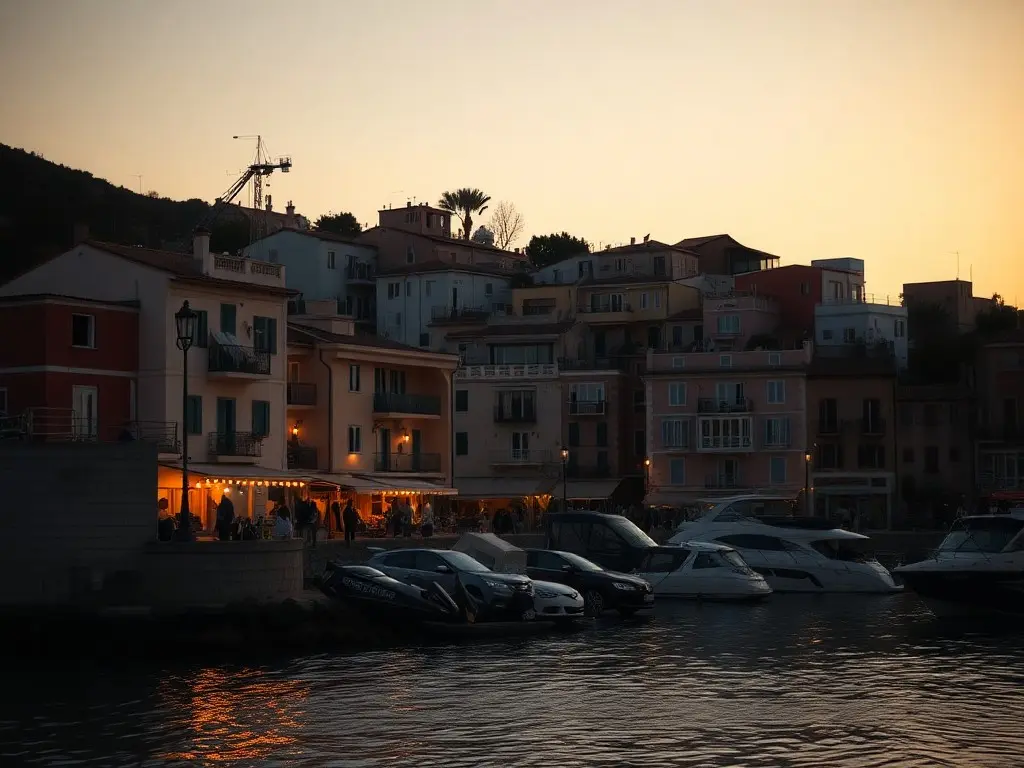
Pope Leo XIV visited Gran Canaria on June 11, 2025, to address the migrant crisis, declaring that 'human dignity has no passport' and calling on global leaders to act on the 'greatest humanitarian crisis of the 21st century.' He met migrants and rescue workers in Arguineguín, where over 20,000 people have been rescued, while migrant arrivals dropped by 60% in 2025 due to EU border controls and West African funding efforts.
Pope Leo XIV arrived in Gran Canaria on June 11, 2025, the sixth day of his visit to Spain, to highlight the migrant crisis plaguing the Canary Islands. Speaking at a major address, he emphasized that 'human dignity has no passport' and urged those in power to respond to what he called the 'greatest humanitarian crisis of the 21st century.' The Canary Islands, a Spanish archipelago in the Atlantic Ocean, have seen a significant influx of migrants from West Africa since 2020, with 47,000 arrivals in 2024 alone. The situation has worsened due to dangerous sea crossings, with migrants arriving on makeshift vessels like cayucos and pateras from countries such as Senegal, Mauritania, Gambia, Mali, and Morocco. Bishop José Mazuelos Pérez described these journeys as 'one of the most dangerous in the world,' with many casualties left unidentified. Despite a 60% drop in arrivals in 2025—attributed to EU border controls and funding to West African governments—the crisis remains severe, with migrants making up 24% of the island’s population and 25.5% living in poverty. Upon landing, Pope Leo visited Arguineguín, a fishing village where around 1,000 migrants and aid workers gathered. He met with rescue captain Tito Villarmea of Salvamento Marítimo, who reported rescuing over 20,000 people over the years. Caritas volunteer María Reyes Alemán Cruz shared how initial aid efforts were limited, but collaboration grew as volunteers coordinated resources and support. Bishop Pérez called the port 'the port of shame,' noting the desperation of those fleeing war, hunger, and violence. Pope Francis had planned to visit the islands but was unable due to health issues; Leo, his successor, took up the cause with direct engagement. The bishop framed migration as both a symptom of global inequality and an opportunity for solidarity, calling the pope’s visit 'a light' in the crisis. The situation reflects broader challenges, including the globalization of indifference and the need for systemic solutions to protect human dignity across borders.
This content was automatically generated and/or translated by AI. It may contain inaccuracies. Please refer to the original sources for verification.