On the brink of extinction, the vaquita gets a digital lifeline
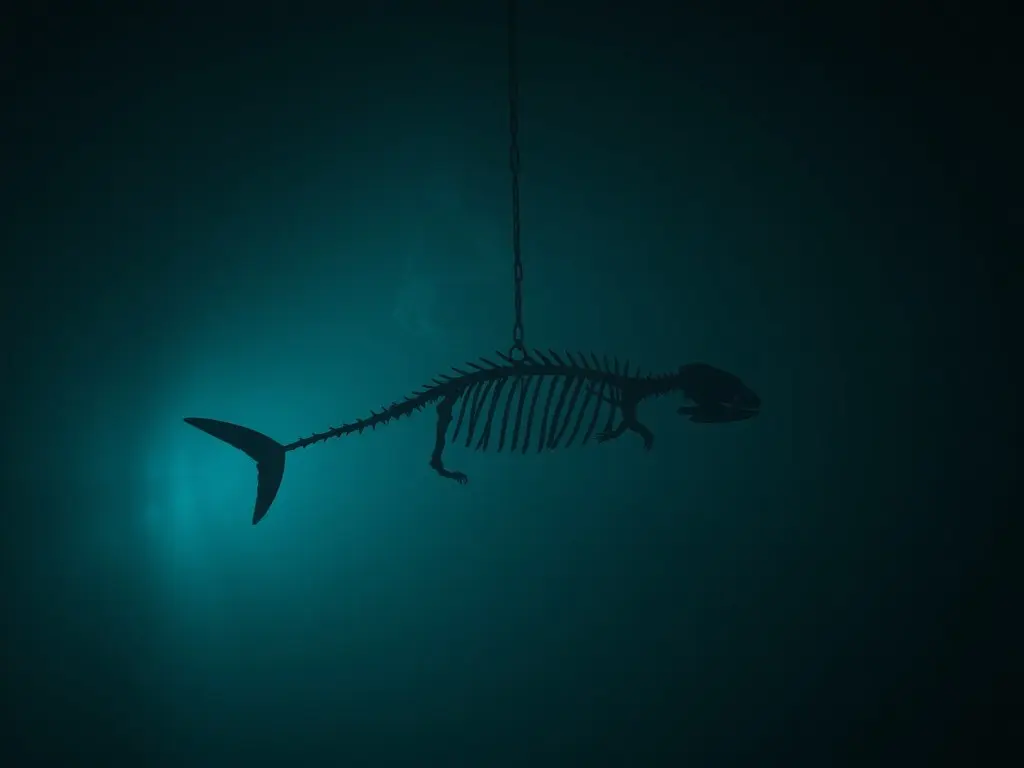
Scientists from Florida Atlantic University and partners digitally preserved a vaquita skeleton using advanced imaging, creating detailed 3D models to aid conservation efforts for the critically endangered porpoise. The project, published in *Marine Mammal Science*, aims to raise awareness and support international efforts to eliminate illegal gillnet fishing in Mexico’s Gulf of California, where fewer than a handful remain.
The vaquita (*Phocoena sinus*), a tiny porpoise native to Mexico’s northern Gulf of California, faces extinction due to illegal gillnet fishing targeting totoaba, whose swim bladders are trafficked for high demand overseas. With fewer than a handful of individuals left in the wild, researchers from Florida Atlantic University (FAU) collaborated with the San Diego Natural History Museum, SeaWorld California, and NOAA Fisheries to digitally preserve a 1966-donated female vaquita skeleton. Using medical CT scans, micro-CT imaging, and digital photography, the team created highly detailed 3D models of the skeleton, capturing microscopic skeletal features. The project, published in *Marine Mammal Science*, produced an open-access digital archive to enable accurate replicas for museums, classrooms, and conservation programs. Jamie Knaub, FAU’s lead researcher, emphasized that the initiative safeguards scientific knowledge while raising global awareness about the vaquita’s plight. The vaquita’s decline stems from accidental entanglement in gillnets, despite decades of conservation efforts and fishing bans. Illegal totoaba harvesting persists due to black-market demand, threatening the species’ survival. Researchers stress that international cooperation is critical to eliminating gillnet fishing within the vaquita’s habitat to prevent its disappearance. The digital archive includes contributions from Brittany Aja Dolan (SeaWorld California), Philip Unitt (San Diego Natural History Museum), and Robert L. Brownell Jr. (NOAA Fisheries), who collected the specimen in the 1960s. By combining advanced imaging with open-access data, the project aims to inspire conservation action before the vaquita vanishes entirely. The vaquita’s extinction would mark the first loss of a marine mammal species to human activity. Experts warn that without urgent intervention, the species could disappear within years, underscoring the need for global conservation efforts.
This content was automatically generated and/or translated by AI. It may contain inaccuracies. Please refer to the original sources for verification.