One of the greatest tragedies of this war has been the collateral damage inflicted on Iran's medical facilities
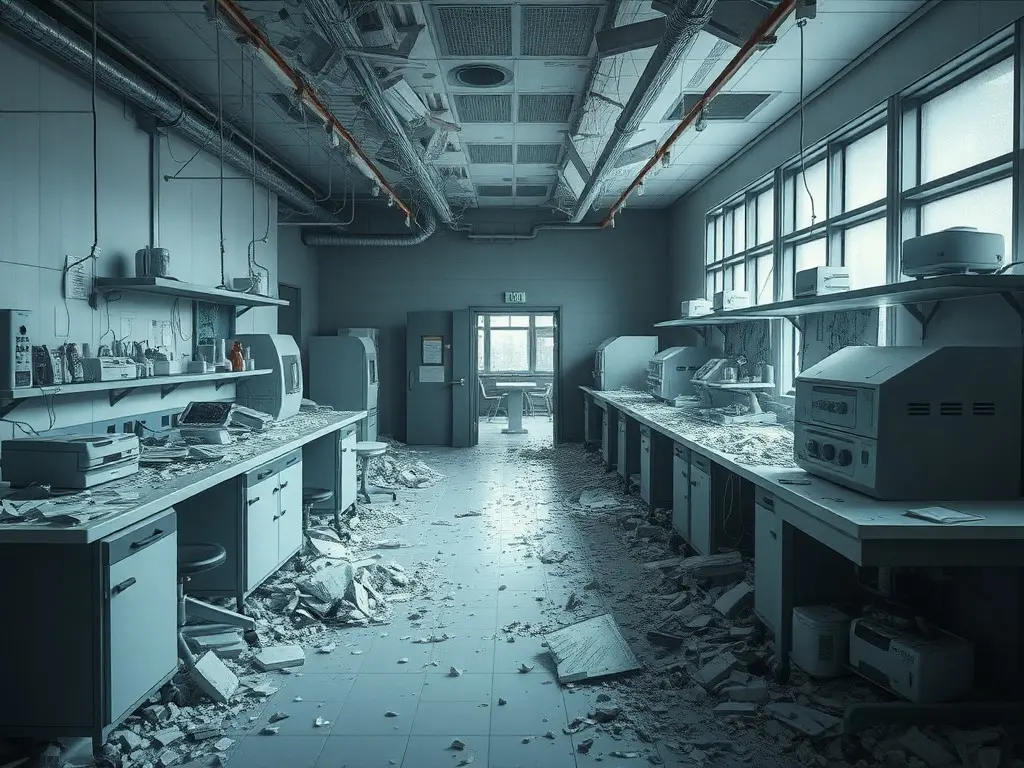
US and Israeli bombing campaigns have targeted Iran's medical facilities, including the Pasteur Institute of Iran and Tofigh Daru Research and Engineering Company, causing significant damage and long-term repercussions for the country's healthcare. The attacks have destroyed key research and production facilities, affecting the production of critical medicines and anaesthetics.
The US and Israel launched a joint strike on Iran's Supreme Leader's office on 28 February 2026. Although the nearby Pasteur Institute of Iran was initially unscathed, it was later bombed on 1 and 2 April, destroying its headquarters and 13 laboratories. The Pasteur Institute, founded in 1920, is a prestigious research centre and part of a global network fighting infectious diseases. The attacks also targeted Tofigh Daru Research and Engineering Company, a leading producer of active pharmaceutical ingredients in Iran, destroying its production and research units. The bombing has had significant repercussions for Iran's healthcare, affecting the production of critical medicines and anaesthetics. The attacks have shocked scientists and public health officials, who are concerned about the long-term impact on the country's medical capabilities.
This content was automatically generated and/or translated by AI. It may contain inaccuracies. Please refer to the original sources for verification.