Otzi The Iceman: 5,300-Year-Old Mummy Microbiome Is Still Alive And Evolving
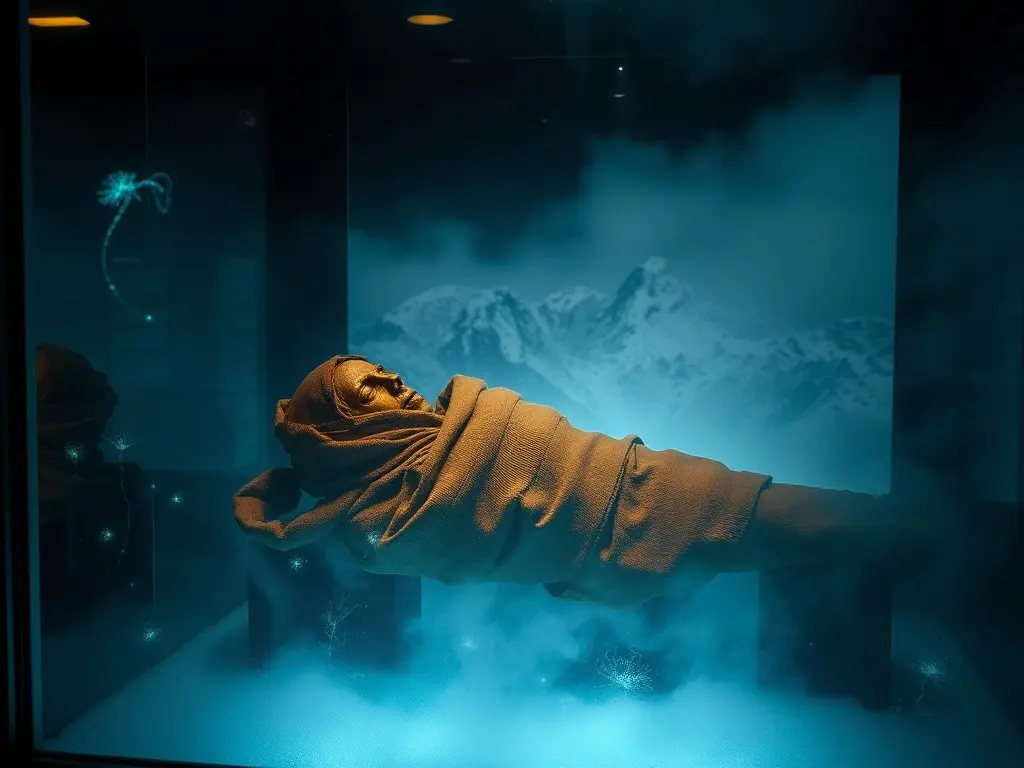
Researchers discovered that Otzi the Iceman’s gut bacteria and cold-adapted yeast remain metabolically active 5,300 years after his death, defying expectations of preservation in the Italian Alps. The study reveals these microbes have evolved to consume museum disinfectants, raising concerns about how to protect ancient artifacts from microbial degradation.
A groundbreaking study published in *Microbiome* reveals that Otzi the Iceman’s microbiome is still alive and evolving despite his 5,300-year-old mummified state. Researchers from Italy’s Eurac Research Institute analyzed Otzi’s skin, internal tissues, and meltwater, finding active gut bacteria and yeast that have adapted to survive in museum conditions. The findings show Otzi’s last meal—wild meat, ancient grains, and toxic fern—matches the active bacteria in his system, including rare species like *Romboutsia hominis* and *Clostridium moniliforme*, now extinct in modern urban populations but still present in isolated tribal groups. Surprisingly, certain yeast populations have grown over the past nine years, evolving to consume phenol disinfectants used to preserve the mummy. Lead researcher Mohamed Sarhan’s team warns this microbial resilience challenges traditional preservation methods, as these ancient microbes may degrade artifacts from within. The discovery offers a rare glimpse into prehistoric human health and disease evolution, while also posing a dilemma for museums worldwide. Otzi’s murder remains unsolved, but his living microbiome provides unprecedented insights into how ancient humans interacted with their environment. The study highlights the unexpected complexity of preservation science, where even extreme cold cannot halt microbial adaptation.
This content was automatically generated and/or translated by AI. It may contain inaccuracies. Please refer to the original sources for verification.