Over half of 8-year-olds in Singapore have used AI
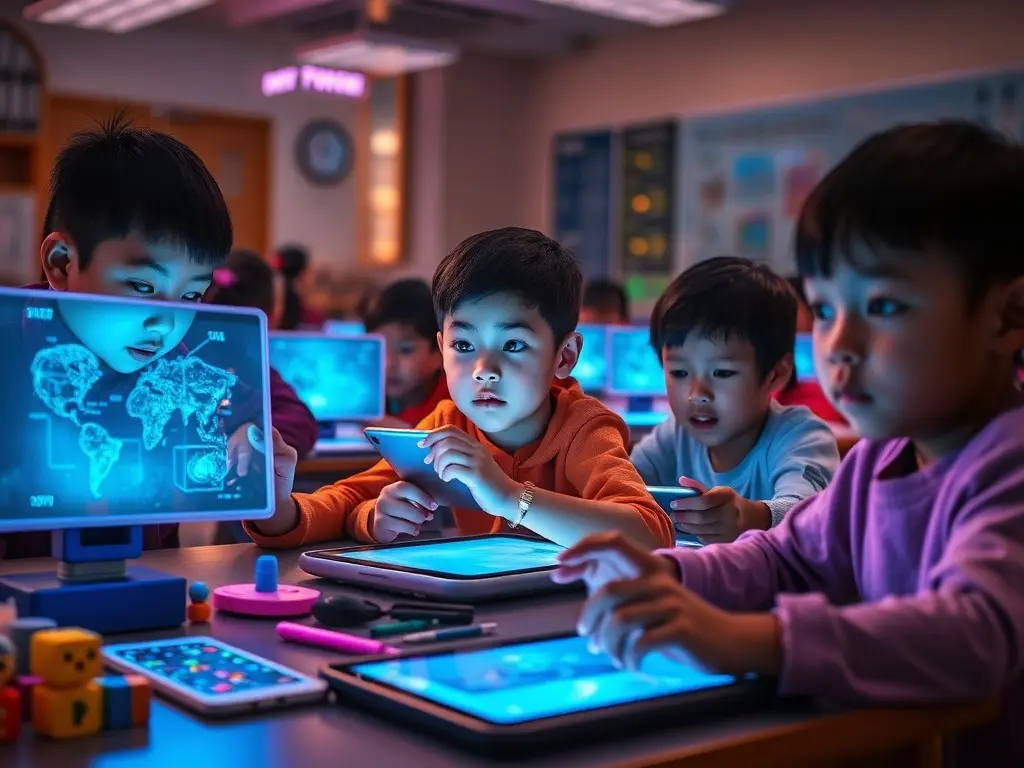
A new study in Singapore found over half of 8-year-olds and nearly all 13-year-olds have used AI tools like ChatGPT, with usage patterns varying by socioeconomic status and age. Researchers from A*STAR and NUS highlighted the need for closer attention to children’s engagement with AI beyond mere access, as gaming and academic purposes dominate different age groups.
Singapore’s first national study on children’s AI usage reveals that more than half of 8-year-olds and over 90% of 13-year-olds have used AI tools, with ChatGPT as the most popular. Conducted by Dr Xuejiao Chen from A*STAR’s Institute for Human Development and Potential and Professor Jean Yeung of the National University of Singapore (NUS), the research analyzed data from 2,985 children aged 8 to 13 as part of the Singapore Longitudinal Early Development Study (SG-Leads). The findings were presented at the Population Association of Singapore’s Annual Conference on May 21. Among 8-year-olds, 16% primarily use AI for gaming, while 17% combine gaming and studying, often for tasks like language translation or solving math problems. Older children (10–13) show similar trends, with 23.1% using AI for both studying and gaming, and 5.3% mainly for gaming. Tools like AI Dungeon and AI-enhanced Minecraft are common in gaming, while academic use includes problem-solving and concept learning. About 20% of children aged 8–9 are low-AI users, engaging less than once a week, and only 4.4% are high multi-purpose users. The study also found that parental education influences AI use: children from families with lower education levels tend to use AI more for leisure, such as gaming, rather than academic purposes. Higher socioeconomic status did not guarantee greater AI adoption for educational purposes. Researchers plan to explore how these AI behaviors affect children’s academic and social-emotional outcomes. While Singapore’s Ministry of Education announced plans to introduce supervised AI tools for Primary 4 pupils, the study underscores that half of 8-year-olds—primarily in Primary 2—are already engaging with AI. The findings emphasize the need for targeted guidance on children’s AI interactions, beyond ensuring access to technology. The research provides a baseline for understanding how early AI integration occurs in daily life.
This content was automatically generated and/or translated by AI. It may contain inaccuracies. Please refer to the original sources for verification.