Pentagon hosts first-ever Israeli–Lebanese military talks aimed at curbing Hezbollah
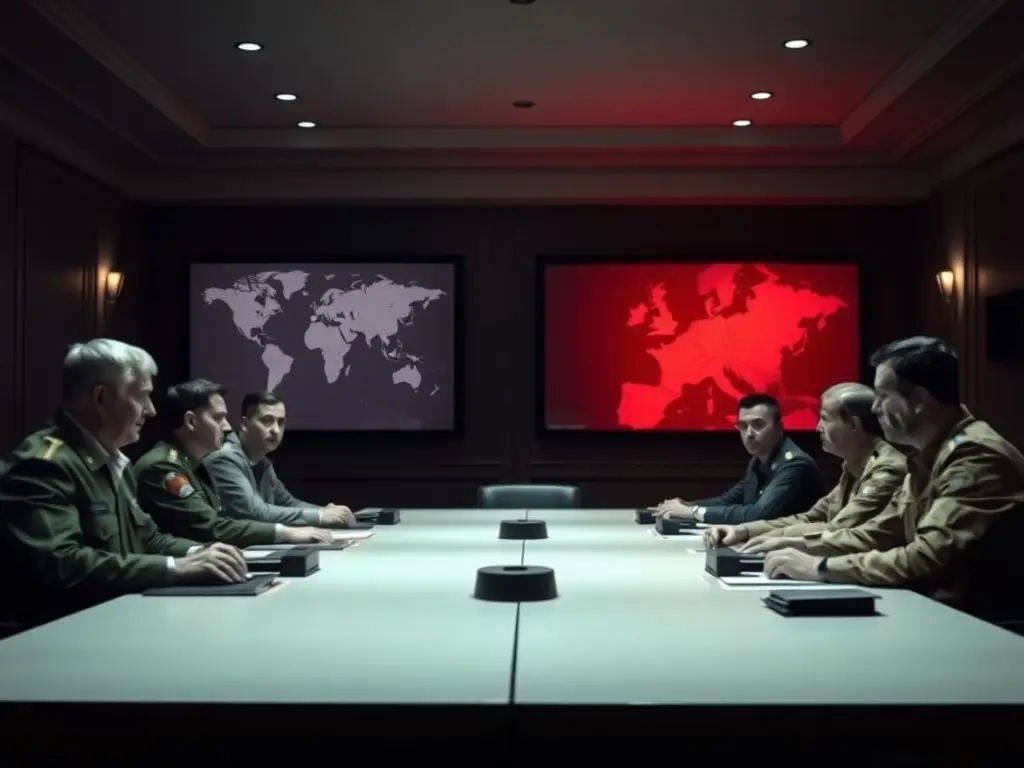
The Pentagon hosted the first-ever direct military talks between Israel and Lebanon in Washington, aimed at curbing Hezbollah’s influence and stabilizing the fragile ceasefire along their border. Lebanese Armed Forces commander Gen. Rodolphe Haykal led Lebanon’s delegation, while analysts warn Lebanon’s inability to disarm Hezbollah risks undermining progress before the May 15 ceasefire extension expires.
The Pentagon mediated the first-ever direct military talks between Israel and Lebanon on Friday in Washington, marking a shift toward security coordination to prevent renewed conflict along their shared border. The discussions focus on ceasefire enforcement, border stability, Israel’s withdrawal from southern Lebanon, and the Lebanese Armed Forces’ (LAF) role in containing Hezbollah, the Iran-backed militant group designated as a U.S. foreign terrorist organization. The talks follow a U.S.-brokered ceasefire reached in mid-April, which was extended on May 15 for 45 days, adding pressure on both sides to demonstrate progress. While large-scale fighting has subsided, Israeli forces remain active in southern Lebanon, and Hezbollah retains drone and rocket capabilities, keeping tensions high. Lebanon’s delegation is led by LAF commander Gen. Rodolphe Haykal, who previously oversaw operations in southern Lebanon, where Hezbollah maintains a strong presence. Analysts, including Ahmed Sharawi of the Foundation for Defense of Democracies, emphasize that Lebanon’s inability to disarm Hezbollah—despite the November 2024 ceasefire agreement placing responsibility on the Lebanese state—remains the biggest obstacle. Sharawi noted no Hezbollah weapons have been confiscated, and the group’s deep support among Lebanon’s Shiite population complicates any disarmament efforts. The talks aim to address de-confliction measures and expectations for the LAF in broader disarmament plans, but analysts warn a breakthrough is unlikely without significant political shifts. Hezbollah’s entrenchment in Lebanese politics and its popular backing raise fears of civil unrest if the government attempts to disarm the group. Meanwhile, Israeli Prime Minister Benjamin Netanyahu has signaled Israel will maintain military pressure on Hezbollah despite negotiations. The Trump administration continues to push the process, viewing it as part of broader regional stability efforts, though skepticism remains about Lebanon’s capacity to enforce disarmament without risking internal collapse.
This content was automatically generated and/or translated by AI. It may contain inaccuracies. Please refer to the original sources for verification.