People Power Party protests ballot shortage at Seoul polling stations
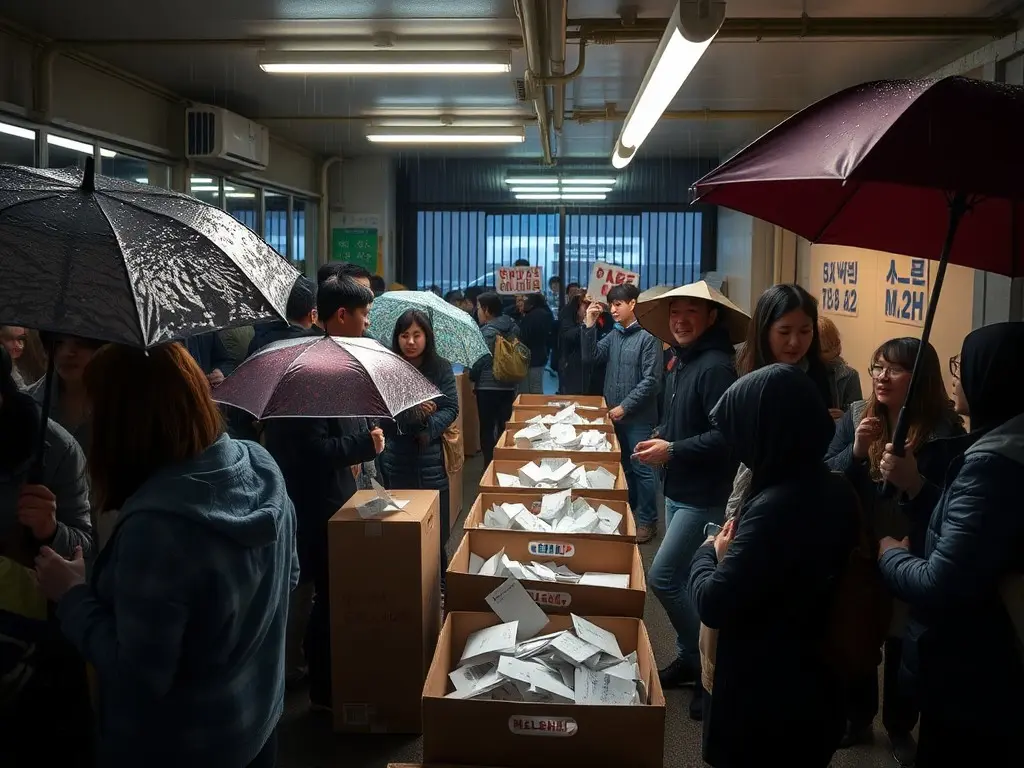
The People Power Party protested ballot shortages at eight Seoul polling stations on June 3, calling it a violation of voters' rights and demanding immediate action from the National Election Commission. Party leaders accused the election commission of failing to manage the process properly and urged investigations into the incident, which delayed voting for some citizens.
The People Power Party held emergency protests on June 3 after ballot shortages halted voting at eight polling stations in Seoul’s Songpa Ward, including locations like Munjeong 2-dong No. 2 and Jamsil 2-dong No. 6. Chung Hee-yong, the party’s secretary-general, condemned the National Election Commission for what he described as a ‘deplorable failure’ in election management, stating it undermined democratic principles. Party leaders demanded swift measures to allow affected voters to cast ballots even after the 6 p.m. deadline, with floor leader Song Eon-seog urging citizens to persist despite delays. Song also criticized the absence of People Power Party observers at some nationwide polling stations, questioning the integrity of the process and vowing a post-election investigation. Bae Hyun-jin, chairwoman of the party’s Seoul chapter, accused the election commission of downplaying the issue by attributing shortages to unexpected voter turnout. She argued the incident exposed systemic flaws, calling for disciplinary action against responsible officials. The party identified eight affected stations in Songpa and Gwangjin wards, where voters faced disruptions due to insufficient ballots. The National Election Commission’s response was met with skepticism, as party officials insisted the shortages reflected broader election management failures. Chung emphasized the need for accountability, warning that such incidents eroded public trust in democratic processes. The party vowed to push for a fact-finding investigation once voting concluded, demanding transparency and corrective measures.
This content was automatically generated and/or translated by AI. It may contain inaccuracies. Please refer to the original sources for verification.