Perfect tie in Andean district shows Peru’s enduring political fractures
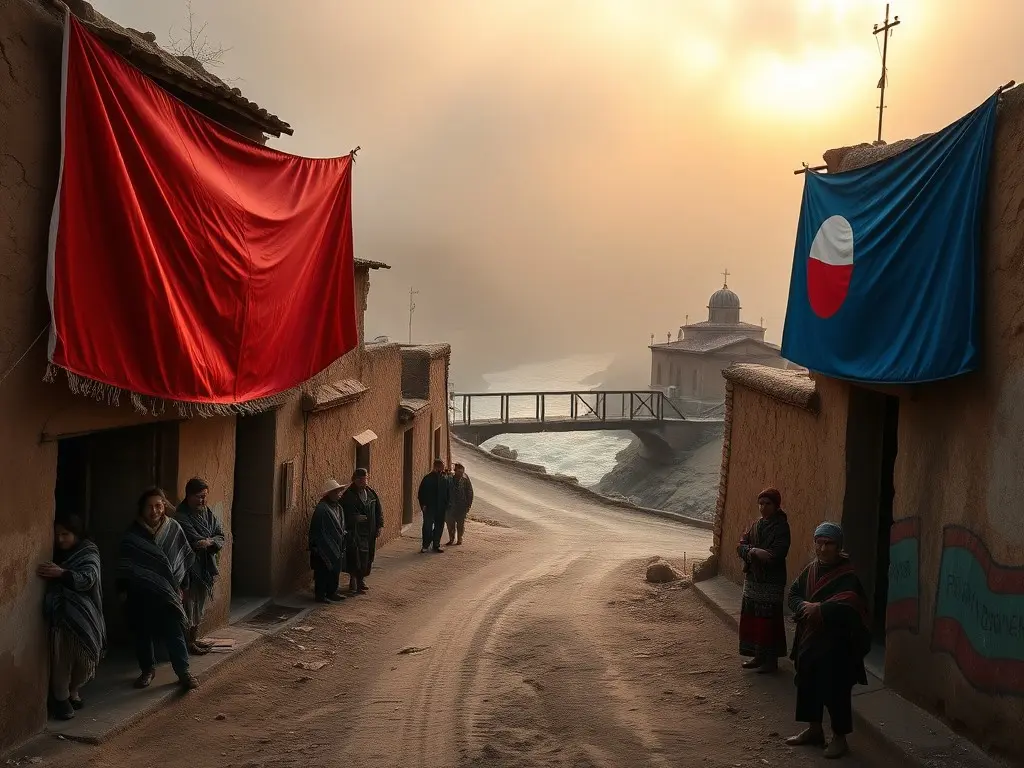
Lahuaytambo, a remote Andean district in Peru, recorded an exact tie in the June 7 presidential runoff, with 181 votes each for Keiko Fujimori and Roberto Sanchez, reflecting deep national polarization. The result underscores rural disillusionment with Lima-centric politics and stark regional inequalities, as residents prioritize local infrastructure over ideological divides.
In Peru’s remote Andean district of Lahuaytambo, the June 7 presidential runoff ended in a perfect tie—181 votes for conservative Keiko Fujimori and 181 for leftist Roberto Sanchez—a microcosm of the country’s razor-thin national race. Fujimori currently leads nationally by 50.05% to Sanchez’s 49.95%, though ballots remain under review. The split vote highlights deep political fractures, with rural residents disillusioned by Lima’s dominance and demanding tangible benefits like paved roads or water reservoirs. Perched at 3,400 meters above sea level and 70 km from Lima, Lahuaytambo’s isolation is reinforced by a winding, landslide-prone dirt road, symbolizing its neglect by central authorities. Residents like farmer Jonathan Javier Medina (29) backed Fujimori, hoping for agricultural support, while his wife, Enma Zabaleta, voted for Sanchez to push for local infrastructure improvements. Older voters, such as retirees Francisca Pumayauli (81) and Yolanda Ramirez (76), favored Fujimori for her perceived focus on children and the elderly, while shopkeepers Sebastian Davila and Luz Zavaleta distrusted her ties to former President Alberto Fujimori’s legacy. The divide reflects broader skepticism: Sanchez, a first-time candidate, appeals to those seeking change, while Fujimori’s long political career fuels resentment. Political scientist Paula Munoz of Peru’s Pacific University noted that both candidates combined received less than 30% in the first round, signaling widespread voter dissatisfaction. ‘A majority isn’t happy with either,’ she said, emphasizing the forced choice between unpopular options. Lima’s urban dominance—home to nearly a third of Peru’s 35 million people and half its economic output—contrasts sharply with rural poverty in Andean regions. The election’s narrow margins underscore frustration over decades of neglect, with residents prioritizing local development over ideological allegiance. Despite the tie, expectations for meaningful change remain low, as both candidates face scrutiny over their ability to address systemic inequalities.
This content was automatically generated and/or translated by AI. It may contain inaccuracies. Please refer to the original sources for verification.