Perpetua Resources receives $2.9bn loan from EXIM
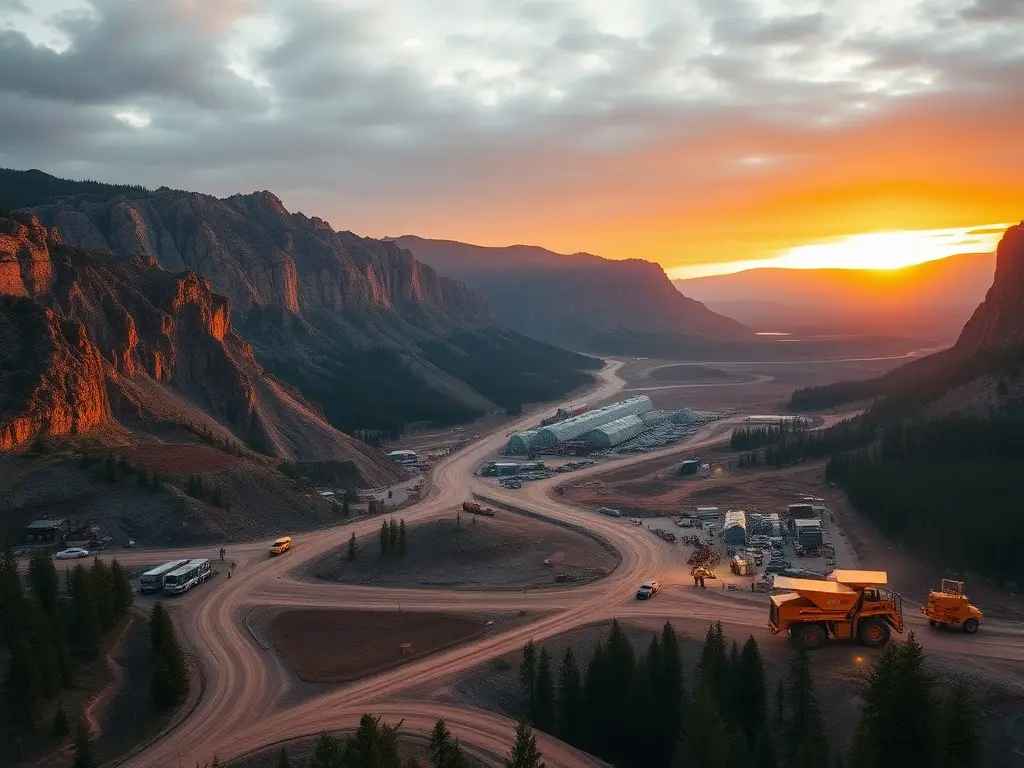
Perpetua Resources secured a $2.9 billion loan from the US Export-Import Bank (EXIM) to develop the Stibnite Gold Project in Idaho, aiming to revive the abandoned mining district and establish the only known domestic antimony reserve. The funding, part of EXIM’s Make More in America Initiative, will cover construction costs, create over 700 jobs, and support US mineral security while ensuring environmental cleanup.
Perpetua Resources has obtained a $2.9 billion senior secured long-term loan from the US Export-Import Bank (EXIM) to advance the Stibnite Gold Project in Idaho. The funding, approved under EXIM’s Make More in America Initiative, supports domestic manufacturing and job creation. The project will redevelop the abandoned Stibnite Mining District, focusing on gold production and securing the only identified US antimony reserve, a critical mineral for national security. The loan follows rigorous technical, financial, environmental, and social evaluations, along with a 25-day congressional notice period. It includes a $2.4 billion upfront facility, with additional funds allocated for capitalized interest and EXIM’s exposure fee. Interest rates will align with long-term US Treasury bonds plus 100 basis points and remain fixed at the initial drawdown, with repayments beginning in 2030. The project will prioritize environmental cleanup, sustainably reopening the mine to meet US commercial and defense demands. It is expected to generate over 700 direct jobs annually, contributing significant tax revenue to Idaho’s local communities. The loan is set to be available in late 2026, pending final documentation and approvals. Perpetua Resources’ CEO, Jon Cherry, emphasized the loan’s role in advancing American mineral independence and responsible mining. The company previously secured $255 million in equity investments from Agnico Eagle Mines and JPMorgan Chase in October 2023. Endeavour Financial and Hunton Andrews Kurth are advising on the transaction’s financial and legal aspects, respectively.
This content was automatically generated and/or translated by AI. It may contain inaccuracies. Please refer to the original sources for verification.