Physical AI Models Are Making Pre-Programmed Robots Look Old
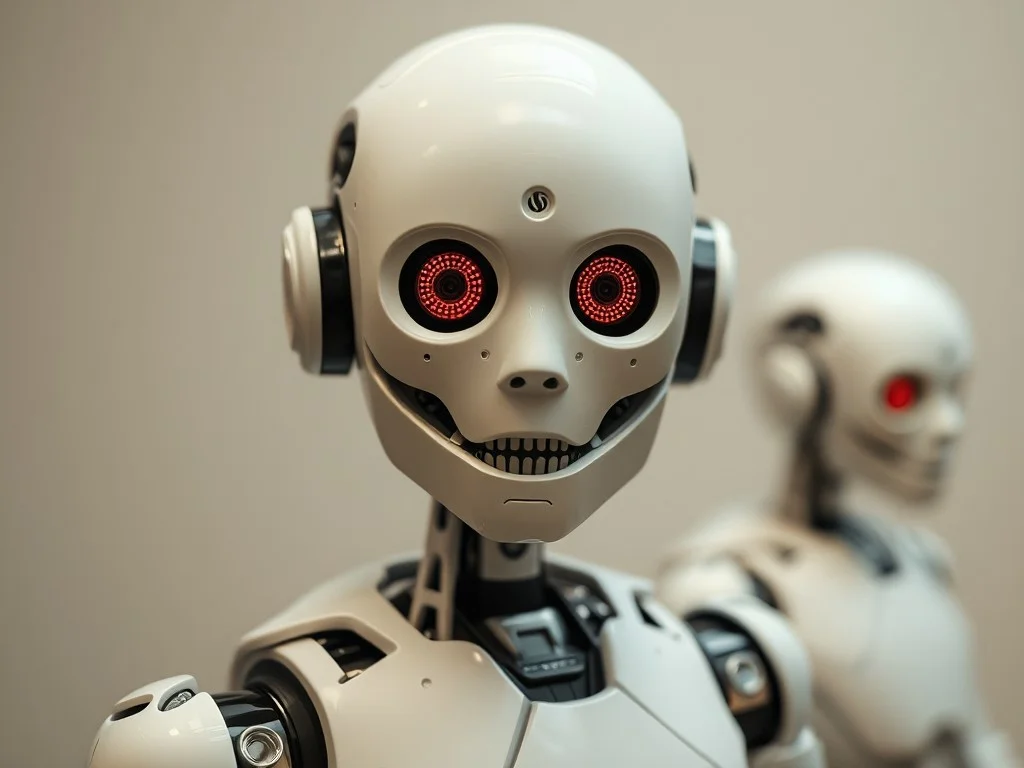
Physical AI models are revolutionizing the robotics industry by enabling robots to see, reason, and adjust in real-time, making them more adaptable and efficient in dynamic workplaces. This technology is replacing traditional pre-programmed robots, which are limited by their inability to respond to changes in their environment.
Physical AI models combine software and hardware to help machines sense and understand their surroundings. They use cameras, force sensors, and mapping to figure out what's happening and pick the next best move. This allows them to adapt to changing environments and make real-time decisions. Traditional robots, on the other hand, follow fixed rules and paths, which can break when inputs change. Physical AI robots are being used in dynamic environments where cycle time needs to be reduced without requiring a full re-code every time work changes. Simulation training is also improving rollout speed by allowing robots to practice in virtual spaces and transfer what they've learned to real machines.
This content was automatically generated and/or translated by AI. It may contain inaccuracies. Please refer to the original sources for verification.