Pioneering evidence shows how entrepreneurship model can reduce extreme poverty among refugees
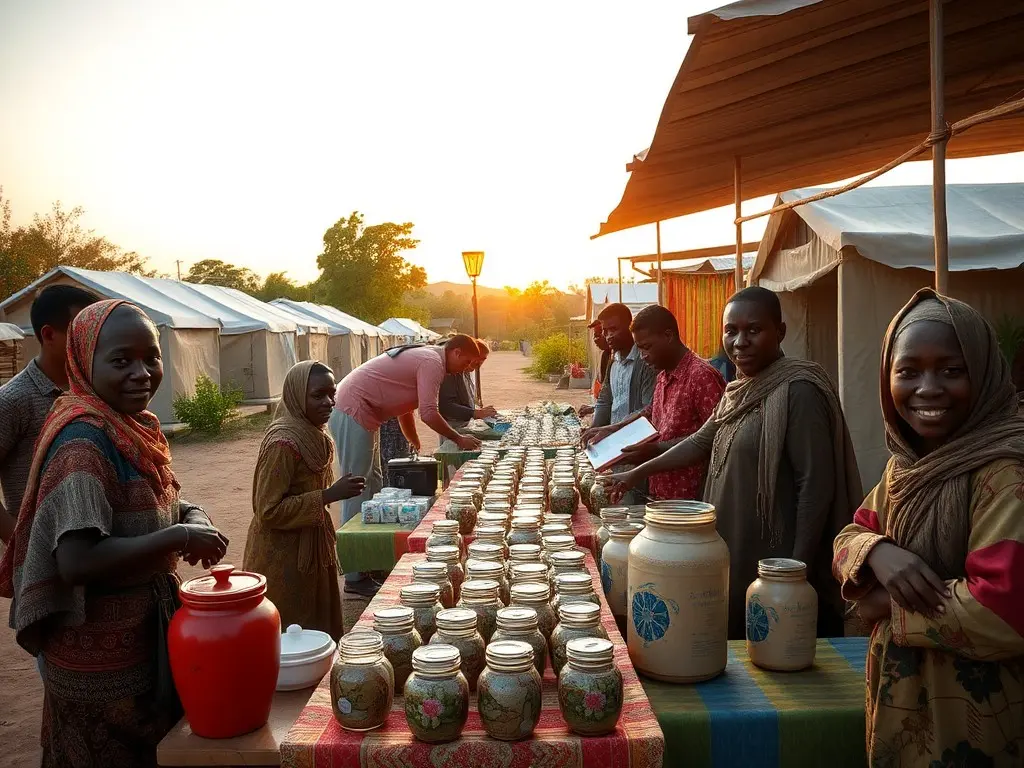
Two randomized controlled trials found the DREAMS program, implemented by Village Enterprise and Mercy Corps, increased household consumption by 17% in Uganda and 9% in Ethiopia while boosting savings by over 90% and assets by 20-24% among refugee participants. The IKEA Foundation and Conrad N. Hilton Foundation have committed $10.9 million to expand the program in Ethiopia and Uganda, highlighting its potential to reduce poverty and aid dependence in refugee communities amid humanitarian funding cuts.
The DREAMS (Delivering Resilient Enterprises and Market Systems) program, run by Village Enterprise and Mercy Corps, has demonstrated measurable success in improving economic conditions for refugees in East Africa. Two independent randomized controlled trials revealed that participating households in Uganda and Ethiopia saw significant gains within a year, including a 17% rise in monthly consumption in Uganda and a 9% increase in Ethiopia. Savings surged by over 90% in both countries, while household assets grew by 20-24%, enabling purchases like livestock, housing improvements, and solar panels. The program combines Village Enterprise’s 12-month poverty graduation initiative—providing business skills, financial support, and mentorship—with Mercy Corps’ market systems development (MSD) approach. MSD connects participants to local private sector actors, strengthening economic opportunities in refugee settlements. The results suggest DREAMS is a cost-effective model for reducing aid dependency and fostering self-sufficiency in some of the world’s most vulnerable settings. Funding for the next phase has been secured: the IKEA Foundation pledged $7.4 million for Ethiopia, while the Conrad N. Hilton Foundation granted $3.5 million for Uganda. These investments follow evidence that DREAMS participants can achieve sustainable livelihoods, such as Viola, a South Sudanese refugee now owning a hair salon in Uganda’s Bidi Bidi settlement, or Nurina, a disabled Somali refugee in Ethiopia who regained social standing through earned income. Participants reported transformative changes, including better nutrition, school fees for children, and restored dignity. The trials underscore the program’s scalability, particularly as global humanitarian aid faces unprecedented cuts. By equipping refugees with tools to generate income and assets, DREAMS offers a blueprint for resilience in the face of economic and climate shocks, benefiting both refugees and host communities.
This content was automatically generated and/or translated by AI. It may contain inaccuracies. Please refer to the original sources for verification.