Poland’s Lessons for Post-Orbán Hungary
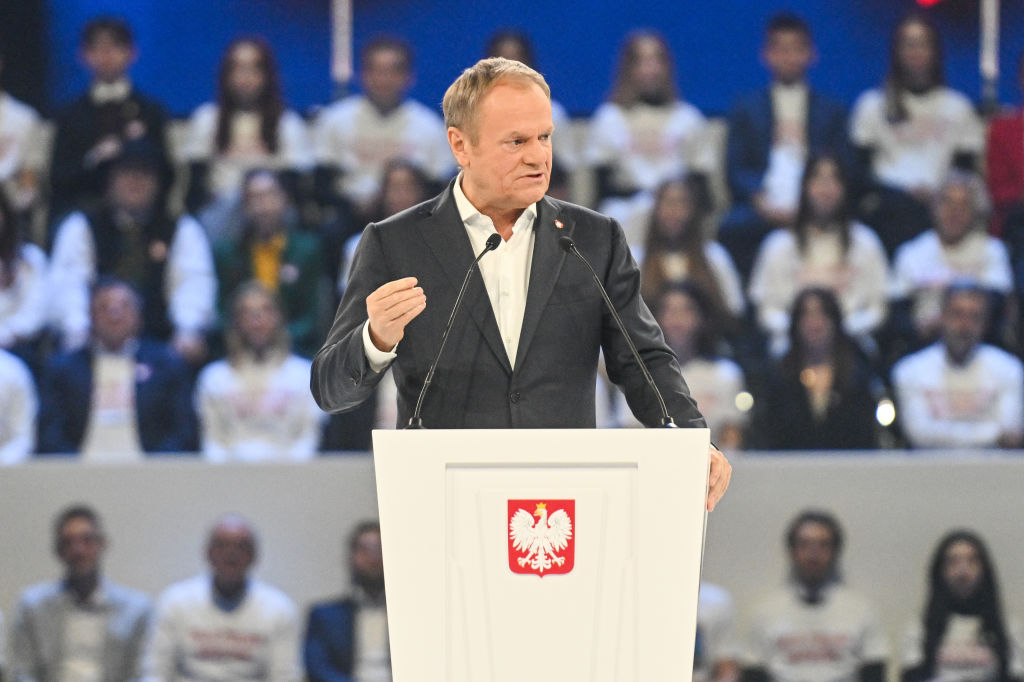
Donald Tusk's Polish government, which ousted the right-wing populist Law and Justice party in 2023, has disappointed hopes of change despite initial promises of 100 concrete reforms. Tusk's challenges include navigating domestic expectations and European politics, while facing criticism for not delivering tangible results.
Poland's 2023 election saw Donald Tusk's Civic Coalition defeat the right-wing populist Law and Justice (PiS) party, promising 100 concrete reforms in its first 100 days. However, Tusk's government has faced challenges in implementing these reforms and has been criticized for not delivering tangible results. Tusk has based his hold on power on warning against the return of right-wing populists, a strategy that has primarily benefited the Right. The Polish government has also navigated tensions between national sovereignty and supranational obligations, particularly on migration policy. Tusk recently suggested that the European Convention on Human Rights requires reform, sparking controversy. The challenges faced by Tusk's government may serve as a lesson for Hungary, which has recently ousted Viktor Orbán's government.
This content was automatically generated and/or translated by AI. It may contain inaccuracies. Please refer to the original sources for verification.