Polestar Is The Latest Automaker To Take A Stand On Buttons In Cars
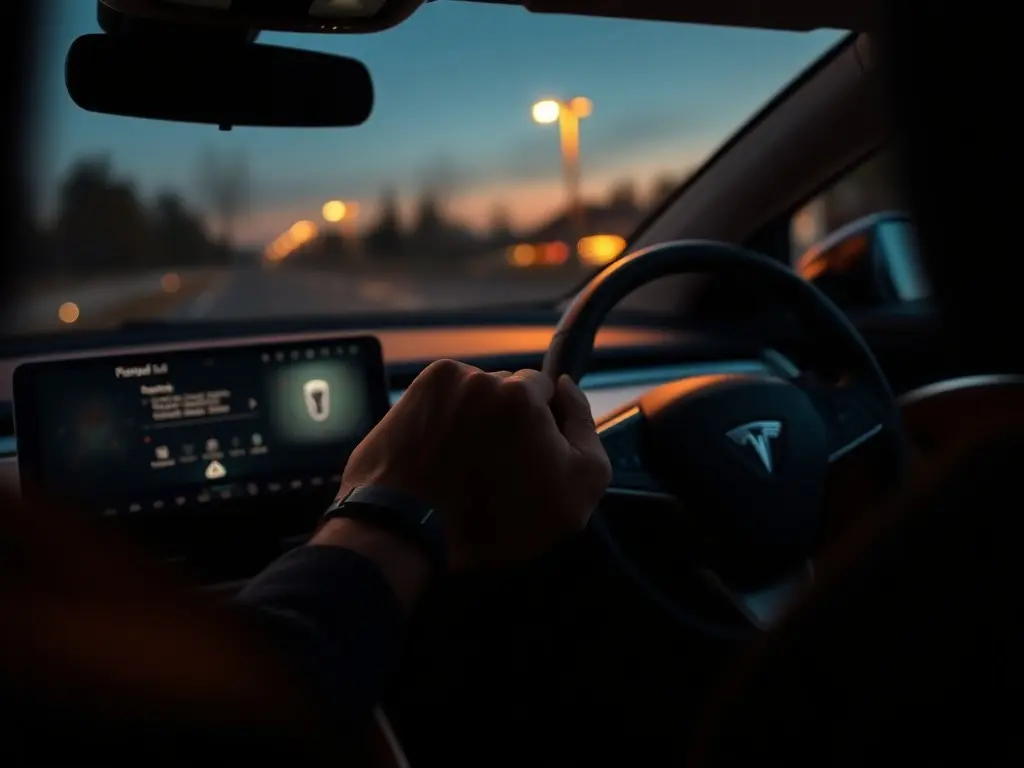
Polestar’s CEO, Michael Lohscheller, confirmed customer complaints about the lack of physical buttons in its electric vehicles, including the Polestar 3 and 4, and announced plans to reintroduce steering wheel buttons and potentially more controls in future models. The shift reflects a broader industry trend, with Volkswagen and Hyundai also reversing course on touch-based interfaces after negative consumer feedback.
Polestar has reversed its approach to car controls after receiving widespread customer complaints about the minimal physical buttons in its current lineup. CEO Michael Lohscheller told *Autocar* that buyers were vocal about wanting traditional controls back, particularly for functions like volume and climate adjustment. The Polestar 4 and 3 rely heavily on touchscreens, with the 3 lacking even steering wheel buttons, replacing them with touch-sensitive inputs. Lohscheller acknowledged the issue, stating that future models would incorporate more physical controls, starting with steering wheel buttons in the Polestar 3. The upcoming Polestar 5 will maintain the current minimalist design, but the brand plans broader changes in later models, including the redesigned Polestar 2 (expected next year) and the Polestar 7 (slated for 2028). Whether these models will feature additional physical controls depends on how far their designs progressed before Polestar’s decision to prioritize customer feedback. Polestar is not alone in this reversal. Volkswagen faced similar backlash after introducing touch-based controls in its ID.4 and ID. Buzz models, with CEO Oliver Blume admitting the company lost customers due to the design. Volkswagen’s new ID. Polo now includes physical buttons in the center stack and steering wheel, aligning with Blume’s statement that buttons would be a ‘non-negotiable’ feature moving forward. Hyundai has also resisted the trend toward touch-only interfaces, with design head SsangYup Lee emphasizing the importance of physical buttons for safe operation. The industry-wide shift suggests automakers are reconsidering the balance between futuristic design and user preference, prioritizing tactile controls to improve driving experience and reduce frustration.
This content was automatically generated and/or translated by AI. It may contain inaccuracies. Please refer to the original sources for verification.