Police arrest man after watching him through neighbor’s camera for 3 years
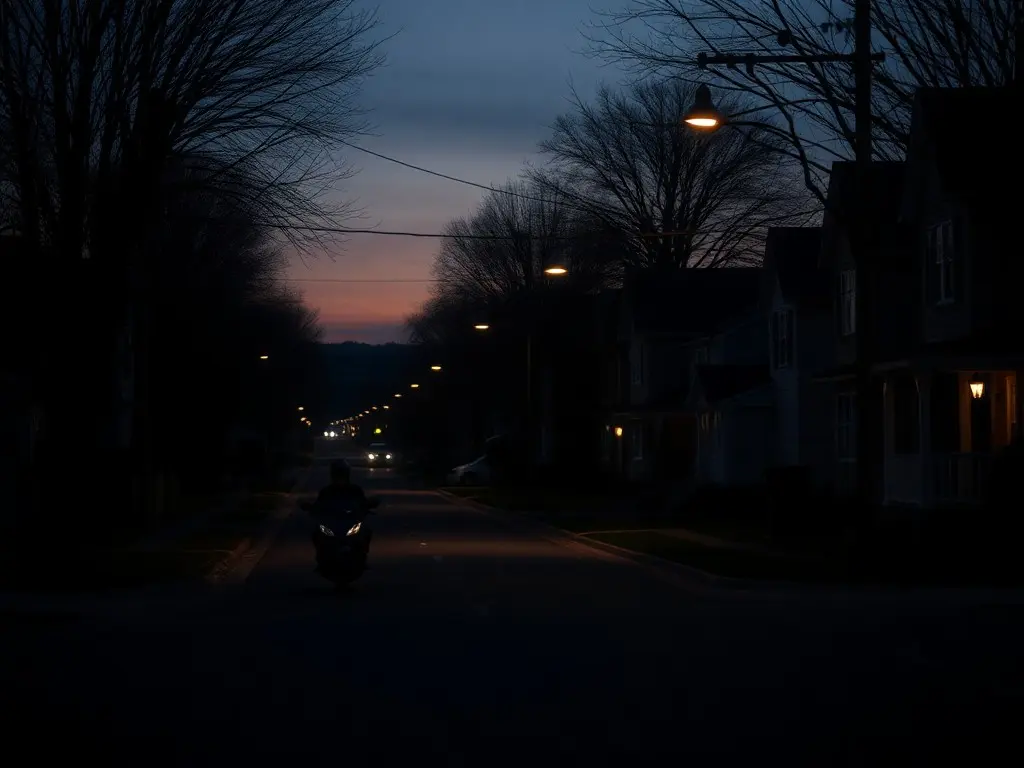
Willie Banks was arrested in March 2024 for a shooting near his Westbrook, Maine, home after police used a neighbor’s security camera, accessed without a warrant, to identify him as a suspect. The surveillance, monitored by retired Westbrook Police Officer Phil Robinson for over three years, raises legal questions about warrantless digital monitoring and Fourth Amendment violations, according to Banks’ attorney Heather Gonzales.
Willie Banks was arrested in March 2024 for aggravated reckless conduct and illegal firearm possession following a shooting outside his Westbrook, Maine, home. The evidence against him came from a neighbor’s security camera, installed in January 2021 after the neighbor—a public safety employee for the town of Windham—reported suspicious activity. The neighbor granted access to the camera to Westbrook Police Officer Phil Robinson, who monitored it regularly for over three years without a warrant. The surveillance footage, described as grainy and low-resolution, became the sole basis for identifying Banks as one of the shooters. Robinson, who retired in January, claimed familiarity with Banks from prior police work but did not disclose the surveillance arrangement until an FBI interview in May. Banks’ attorney, Heather Gonzales, argued in a motion to sanction prosecutors that the continuous, warrantless monitoring violated the Fourth Amendment, comparing it to Supreme Court rulings on unauthorized digital surveillance. Police responded to gunfire reported outside Banks’ apartment on Cumberland Street on March 13, 2024, with no injuries reported. Robinson’s identification of Banks, combined with the footage, led to a search warrant for Banks’ home, where a firearm was found. Gonzales stated that the surveillance transformed ‘indecipherable video’ into incriminating evidence, raising concerns about the legality of automated, technology-assisted police monitoring. Prosecutors, including Assistant U.S. Attorney Peter Brostowin, and Westbrook Police Chief Sean Lally declined to comment on the active case. The motion highlights broader questions about police surveillance capabilities in the digital age, particularly when technology enables prolonged, warrantless observation of private property.
This content was automatically generated and/or translated by AI. It may contain inaccuracies. Please refer to the original sources for verification.