Political polarisation and democratic challenges
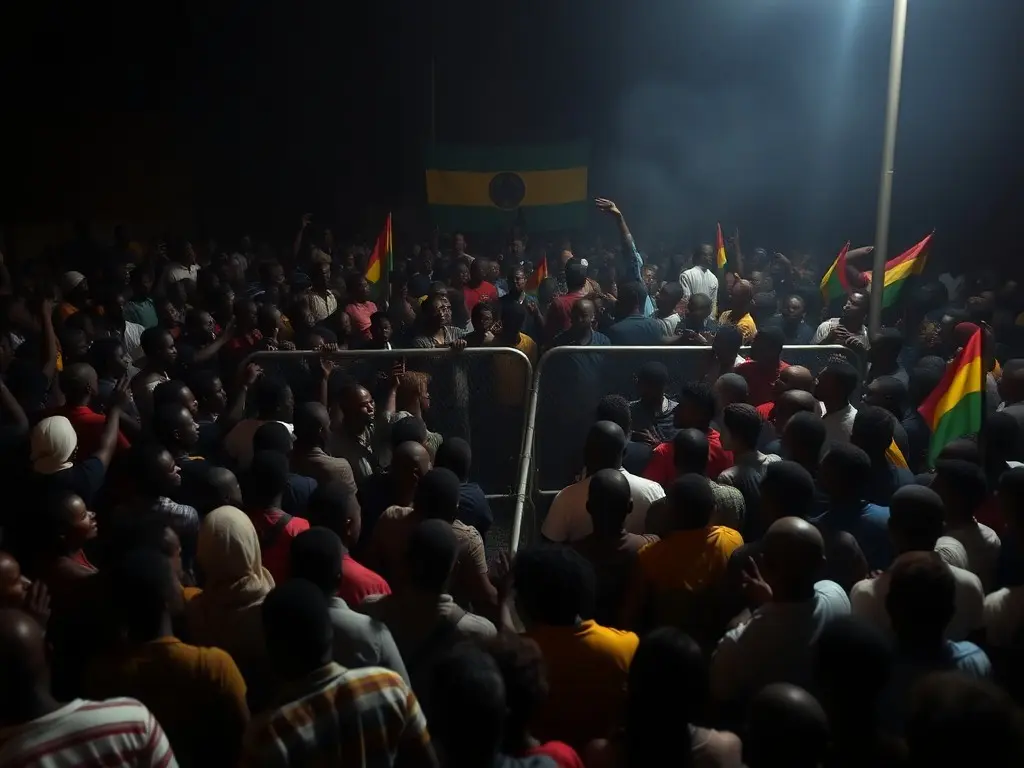
Ghana's intense political polarisation between the National Democratic Congress (NDC) and the New Patriotic Party (NPP) poses a serious threat to the country's democratic status, driving challenges such as electoral violence and erosion of trust in public institutions. Political scientists advise managing polarisation through institutional safeguards, bipartisan policymaking, and civic education on democratic norms.
Ghana is a rare stable electoral democracy in Africa, but its intense political polarisation may threaten its democratic status. The country's politics is polarised between the National Democratic Congress (NDC) and the New Patriotic Party (NPP), with supporters of each party viewing the other as political enemies. This polarisation drives electoral violence, 'winner-takes-all' politics, and erosion of trust in public institutions. Political scientists recommend managing polarisation through institutional safeguards, bipartisan policymaking, and civic education on democratic norms. Ghana's polarisation is not new, dating back to independence in 1957, and has evolved over time into a stable two-party system with high affective polarisation. The two main parties do not approach politics consensually, with the opposition often rejecting policies simply because the other party proposed them.
This content was automatically generated and/or translated by AI. It may contain inaccuracies. Please refer to the original sources for verification.