Pope Leo: AI Needs To Be Disarmed
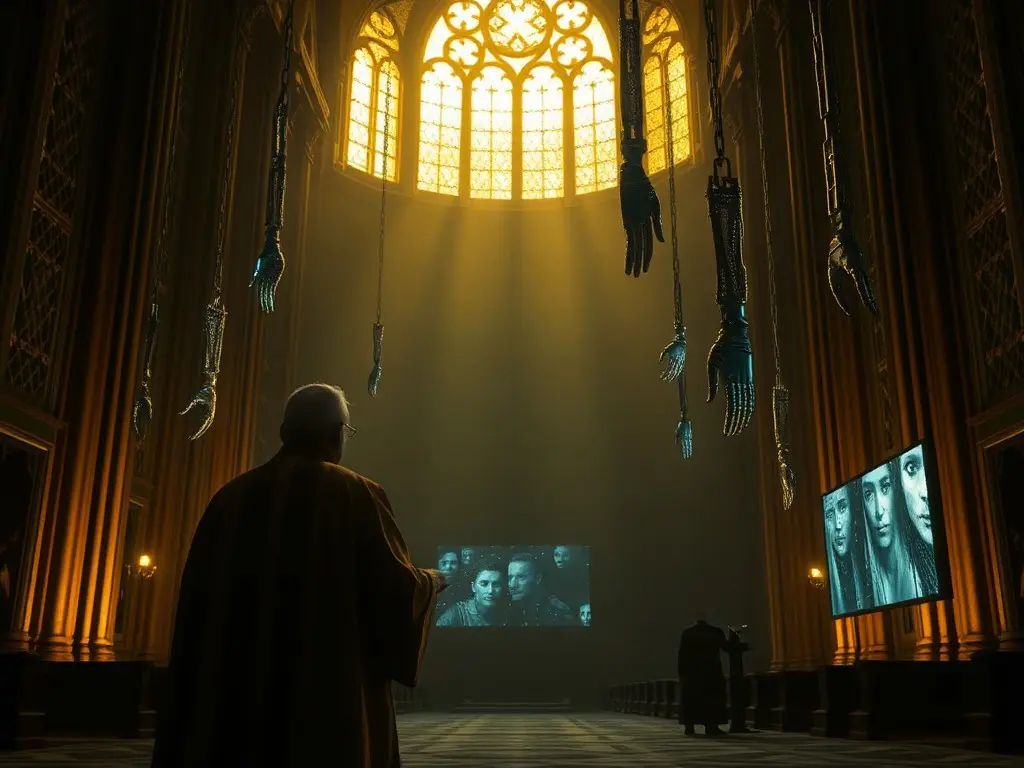
Pope Leo XIV issued his first encyclical, 'Magnifica Humanitas,' calling for AI to be 'disarmed' through strict regulation, warning of risks in autonomous weapons and biased algorithms. He criticized reliance on private tech companies for oversight and urged human-centered AI development, marking AI as the 'biggest challenge facing humanity' since his election as the first American pope.
Pope Leo XIV launched his papacy with an urgent call for artificial intelligence to be 'disarmed' through global regulation, framing it as the most pressing threat to humanity. In his 83-page encyclical, *Magnifica Humanitas*, released on May 26, 2026, he condemned the unchecked development of autonomous weapons systems and algorithms that perpetuate discrimination in healthcare, employment, and security. The pope rejected the idea that oversight should rest solely with private tech firms, instead advocating for human-centered governance to prevent AI from surpassing ethical and moral boundaries. The encyclical marked a departure from tradition, as Pope Leo personally presented the document in the Vatican alongside AI experts, including Chris Olah, co-founder of Anthropic. Since his election last year as the first American pope, he has repeatedly highlighted AI’s dangers, emphasizing the need for vigilance against its misuse. His language—describing AI as a force requiring 'disarming'—reflected a direct challenge to industries and governments to prioritize ethical safeguards over unchecked innovation. The pope’s concerns extended beyond military applications, warning of algorithms that reinforce bias and exclude vulnerable populations from critical services. He urged societies to maintain 'the question of the human in play,' insisting that technological progress must never overshadow ethical responsibility. The encyclical’s release coincided with growing global debates over AI accountability, positioning the Vatican as a moral authority in shaping future policy discussions. Critics and supporters alike noted the encyclical’s bold stance, particularly its call for international collaboration to regulate AI development. Pope Leo’s background as a Chicago-born academic added weight to his arguments, framing the issue as both a spiritual and scientific imperative. The document’s 83-page length underscored the complexity of the challenge, demanding systemic changes rather than superficial fixes.
This content was automatically generated and/or translated by AI. It may contain inaccuracies. Please refer to the original sources for verification.