Power and weight limits for low-speed electric two-wheelers under scrutiny
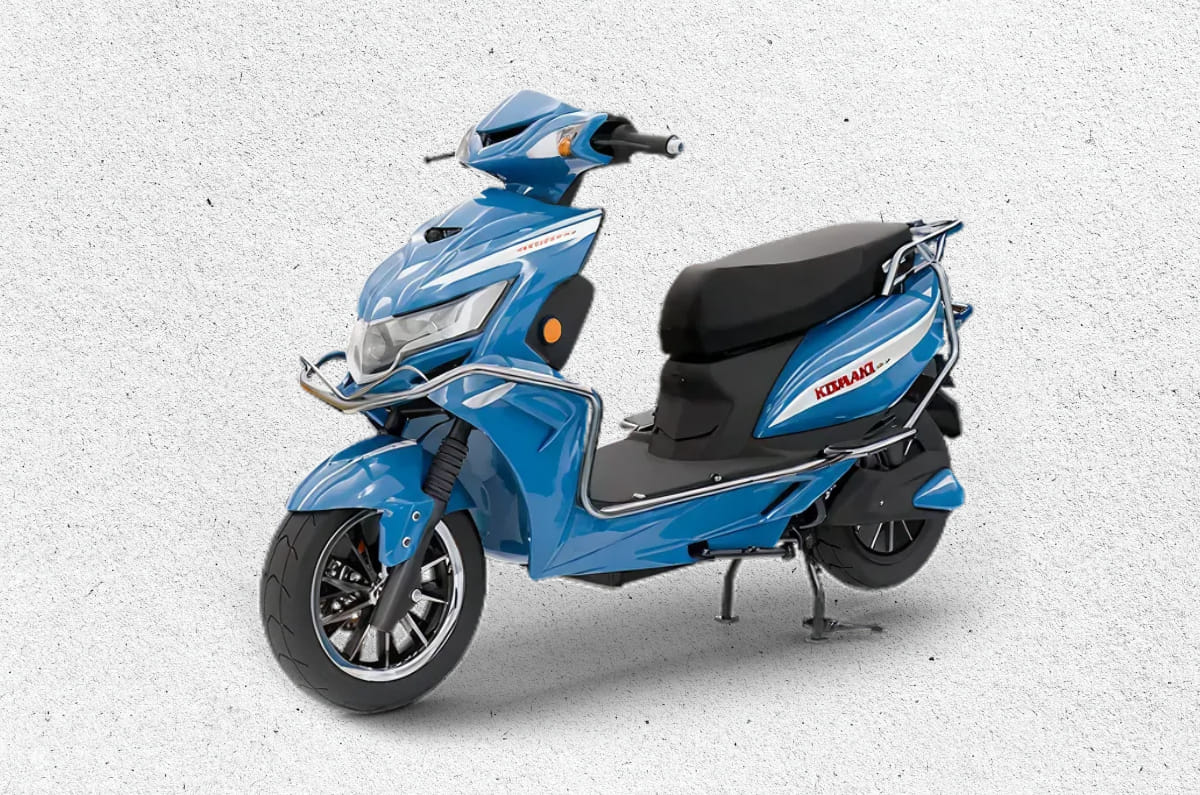
India’s automotive testing agencies are reviewing the 250W motor power and 60kg weight limits for low-speed electric two-wheelers under the Central Motor Vehicles Rules, with potential revisions expected while keeping the 25kph speed cap unchanged. Enforcement challenges, including modified vehicles exceeding limits, have intensified scrutiny over the current exemptions from registration, licensing, and helmet requirements for these vehicles.
India’s automotive testing and certification agencies are reviewing the specifications for low-speed electric two-wheelers under the Central Motor Vehicles Rules (CMVR). The current 250W motor power limit and 60kg unladen weight cap may be increased, though the 25kph top-speed restriction is expected to remain unchanged. These vehicles are currently exempt from registration, driver’s license, and helmet requirements, a policy designed to promote affordable urban mobility. Industry discussions suggest the current framework is under pressure due to evolving use cases, including the rise of quick-commerce and hyperlocal delivery services relying on low-speed electric scooters. A separate proposal also sought public input on allowing 16-17-year-olds to ride these vehicles with motors up to 1,500W, provided they adhere to the 25kph limit. Enforcement remains a critical issue, as authorities have warned states about manufacturers and dealers selling vehicles that exceed the 250W and 25kph limits after type approval. In Kerala, raids in 2023 uncovered dealers retrofitting exempt scooters with 1,000W motors while avoiding registration, leading to an estimated Rs 100 crore tax loss in a single jurisdiction. Mumbai’s transport department has also cracked down on unregistered electric two-wheelers used by gig workers, citing safety and accountability concerns. Critics argue that relaxing technical limits without stronger enforcement could legitimize vehicles already operating outside regulations. Industry sources emphasize that the exemption category was designed as a cohesive policy based on motor power, weight, and speed. Raising power and weight limits while keeping the speed cap unchanged risks creating inconsistencies in safety standards. Two potential solutions are emerging: either strengthening enforcement with stricter penalties for tampering or revising technical limits while introducing additional safeguards. These could include mandatory helmets, simplified registration for commercial vehicles, and clearer labeling to distinguish exempt low-speed EVs from fully approved electric two-wheelers.
This content was automatically generated and/or translated by AI. It may contain inaccuracies. Please refer to the original sources for verification.