Powerful Next-Generation Rockets That Could Drive Future Space Missions
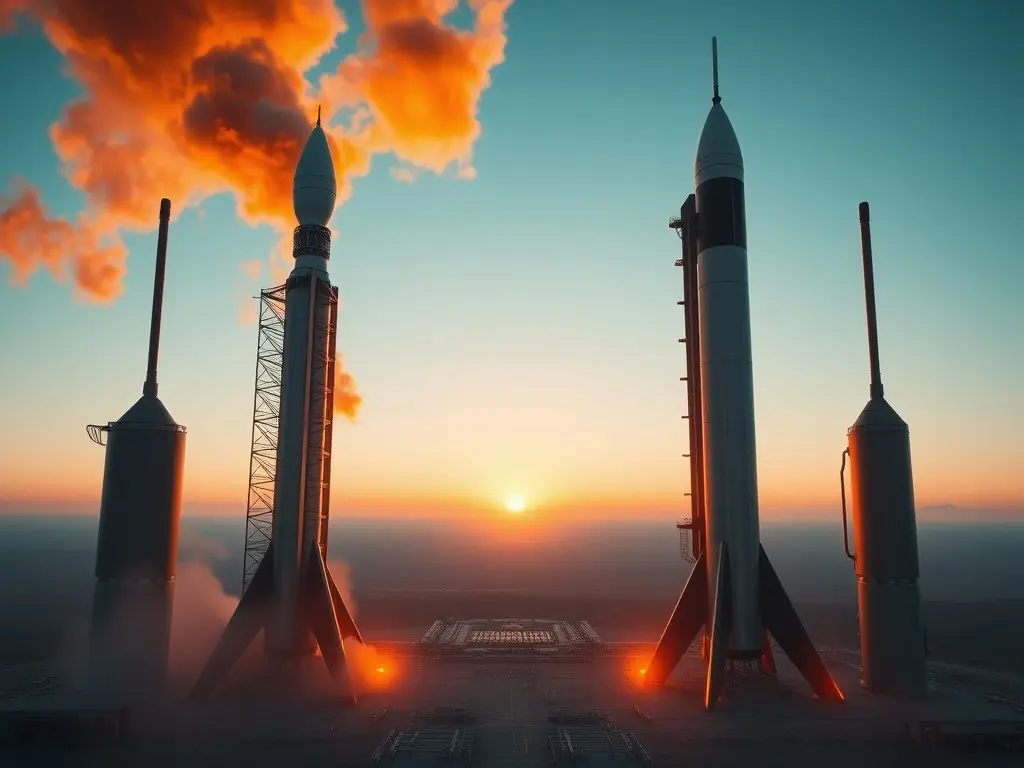
Next-generation rockets like SpaceX Starship, NASA SLS, and Blue Origin New Glenn are advancing deep space missions with reusable designs and heavy-lift capabilities. These systems aim to reduce launch costs, support Mars and lunar exploration, and enable future space infrastructure development globally.
Next-generation rockets are transforming space exploration by prioritizing reusability, power, and efficiency for deep space missions. Companies and space agencies are developing launch systems capable of transporting astronauts, cargo, and equipment to the Moon, Mars, and beyond, while cutting costs through advanced propulsion and reusable technology. SpaceX’s Starship stands out as a fully reusable rocket designed for Mars exploration and heavy cargo transport. Its large payload capacity and reusable design mark a major leap in rocket technology, making long-duration missions more feasible. NASA’s Space Launch System (SLS) remains a cornerstone for Artemis lunar missions, combining power with crewed and cargo capabilities. Blue Origin’s New Glenn and ULA’s Vulcan Centaur focus on commercial and government payloads, with reusable first stages to lower launch expenses. Europe’s Ariane 6 and China’s Long March 10 are also advancing heavy-lift systems to support lunar and deep space ambitions. India’s Next Generation Launch Vehicle (NGLV) concept aims to boost payload capacity, potentially incorporating reusable features. Methane-fueled rockets are gaining traction for deep space missions due to cleaner combustion and reusability. These advancements are positioning next-gen rockets as the backbone of future human and robotic exploration, from lunar bases to Mars colonization.
This content was automatically generated and/or translated by AI. It may contain inaccuracies. Please refer to the original sources for verification.