Q&A: The new Ebola outbreak
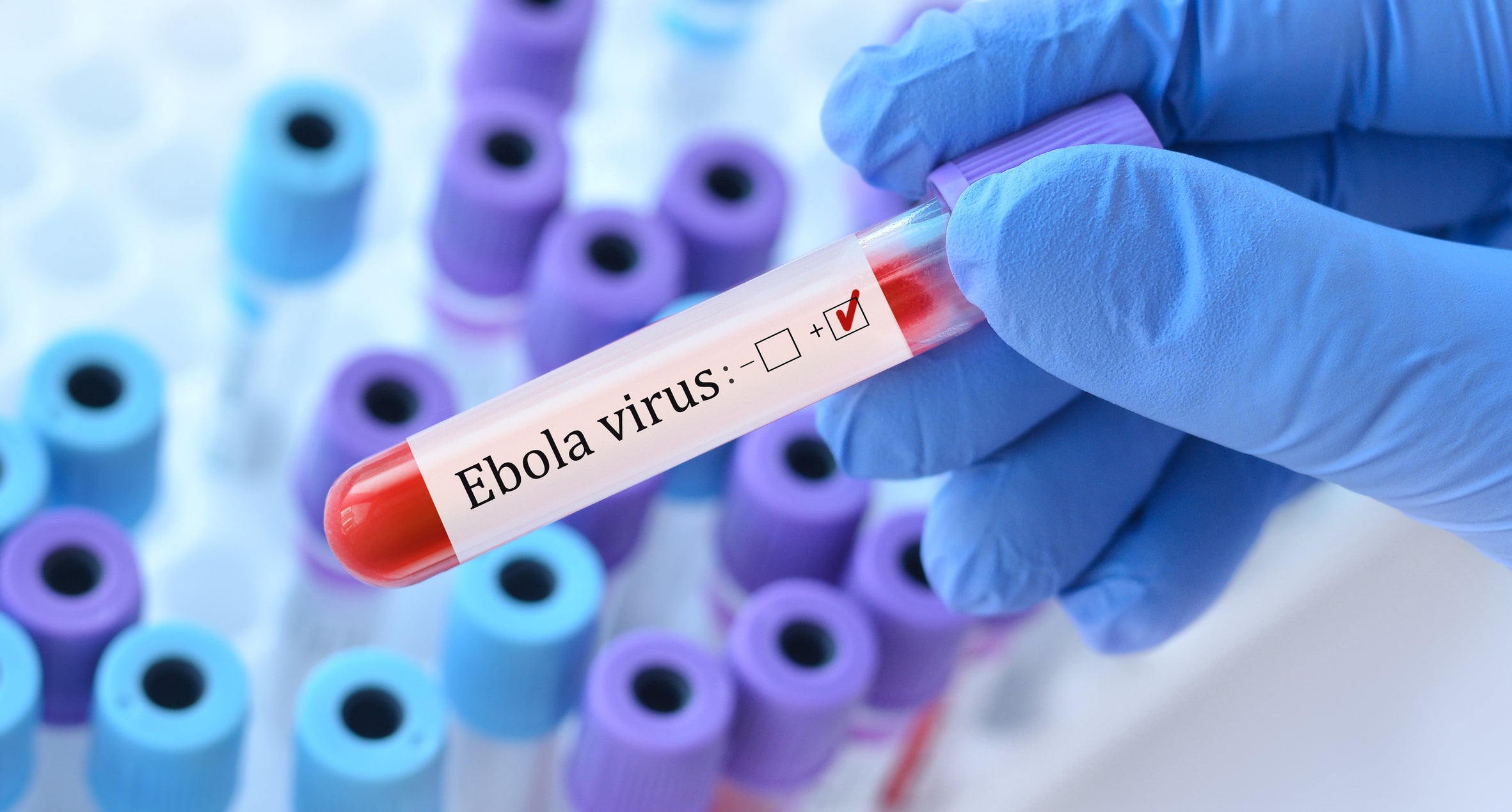
The World Health Organization declared the current Ebola outbreak in the Democratic Republic of the Congo and Uganda a public health emergency of international concern, with hundreds of suspected cases and dozens of deaths linked to the rare Bundibugyo strain. Experts warn the virus spreads through contact with infected bodily fluids, originating from spillover events involving fruit bats, while emphasizing low risk for global spread outside affected regions due to differing public health practices and awareness levels.
The World Health Organization (WHO) has declared the current Ebola outbreak in Central Africa a public health emergency of international concern. The outbreak, centered in the Democratic Republic of the Congo (DRC) and neighboring Uganda, involves hundreds of suspected cases and dozens of deaths caused by the rare Bundibugyo strain of the virus. This is the third major documented outbreak of the Bundibugyo strain, which has a fatality rate of around 35%, lower than the Zaire and Sudan strains but still highly dangerous. The Bundibugyo virus spreads primarily through direct contact with infected bodily fluids, not through the air. Health officials trace the outbreak’s origin to a spillover event, where humans encounter infected animal feces or consume bushmeat from infected animals, such as fruit bats, which serve as the virus’s primary reservoir. Unlike the Zaire and Sudan strains, the Bundibugyo strain has received limited research and therapeutic attention, leaving no approved treatments or vaccines specifically for it. For individuals outside the affected regions, the risk of contracting Ebola remains low. Symptoms initially mimic the flu, including fever, lethargy, and fatigue, progressing to gastrointestinal issues like nausea, diarrhea, and vomiting. The virus has an incubation period of 2 to 21 days, making contact tracing critical for early detection and containment. Public health efforts emphasize monitoring recent travel to the DRC or Uganda and reporting symptoms promptly. The likelihood of Ebola spreading widely in the U.S. is considered low due to differences in public health practices and customs. Traditional burial practices in the DRC and Uganda, where family members handle deceased individuals without proper protective equipment, have historically fueled outbreaks. In contrast, U.S. health systems are better equipped to isolate cases and enforce strict infection control measures. However, an infected individual entering the country could still pose a localized risk if proper precautions are not taken.
This content was automatically generated and/or translated by AI. It may contain inaccuracies. Please refer to the original sources for verification.