Qualcomm takes spatial computing into the AI era with Snapdragon Reality Elite
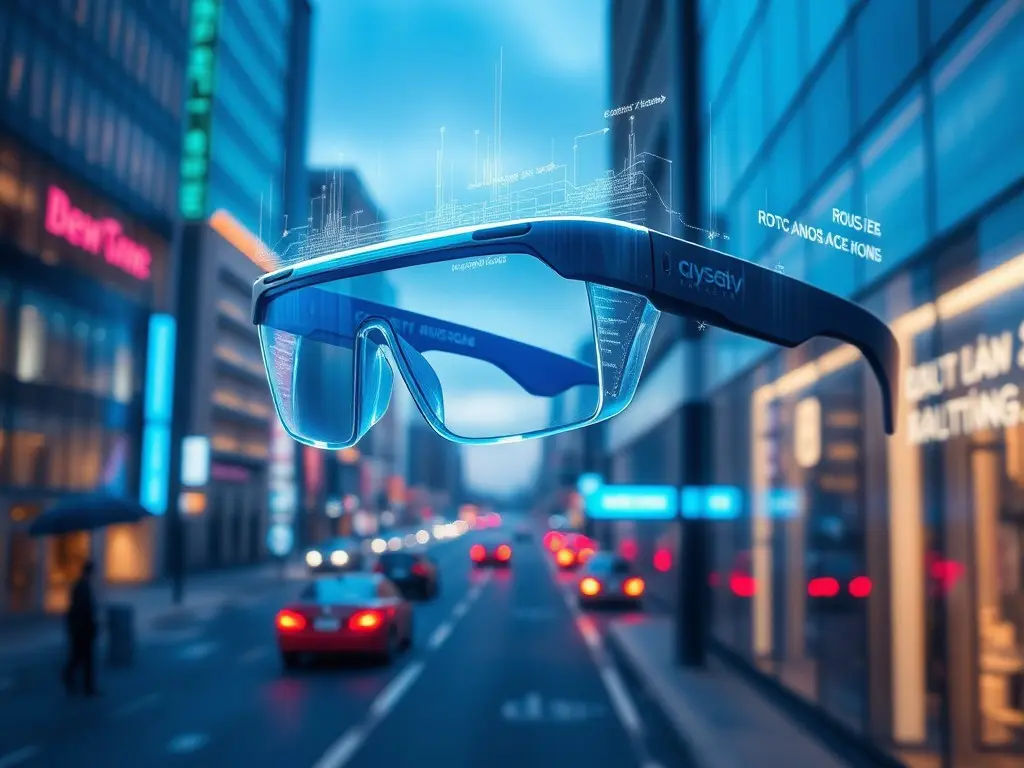
Qualcomm Technologies Inc. unveiled Snapdragon Reality Elite, a rebranded AI-focused chip platform succeeding the XR2+ Gen 2, designed to power next-gen immersive XR devices with enhanced neural processing for on-device large language models. The chip delivers up to 48 TOPS for edge AI tasks, 60% higher GPU performance, and improved power efficiency, targeting smart glasses and mixed reality ecosystems like Google’s Android XR and Meta’s Ray-Ban smart glasses.
Qualcomm Technologies Inc. introduced Snapdragon Reality Elite, a rebranded AI-centric chip platform replacing the XR2+ Gen 2, announced at the Augmented World Expo in 2024. The shift in naming reflects Qualcomm’s broader AI strategy, integrating beefed-up neural processing units to handle on-device large language models like 3-billion-parameter Llama models with 2,000-context windows. While heavy tasks may still require cloud offloading, the chip enables private, on-device AI functions such as translation and summarization. The Reality Elite chip delivers up to 48 TOPS (trillions of operations per second) for edge AI processing, alongside a 60% boost in GPU performance and a 30% increase in CPU performance. Qualcomm emphasized power efficiency, promising up to 20% longer battery life and a 12-degree Celsius cooler operation under load, addressing comfort and hardware longevity concerns for wearables. The platform is designed to support the growing XR ecosystem, including Google’s Android XR operating system for mixed reality devices. Qualcomm’s chips will power devices like Meta’s Ray-Ban smart glasses, which integrate audio-based AI interactions and gesture controls. Ziad Asghar, Qualcomm’s senior vice president for XR and wearables, noted that over 60 million XR devices are already in use, with demand driven by advancements in personal AI and mixed reality wearables. The Reality Elite chip also targets display-less audio glasses, a fast-growing segment in 2026, by enabling seamless integration with other devices like smartphones. Qualcomm highlighted its focus on smaller, smarter, and more efficient chips to meet the needs of all-day wearable use, reducing heat and improving user comfort. The platform is set to become a core component of the XR ecosystem, including collaborations with companies like Xreal for Project Aura. Qualcomm’s strategy aligns with industry trends, such as Google’s Gemini-powered smart glasses and partnerships with HTC Vive, further solidifying its position in the evolving AI-driven XR market.
This content was automatically generated and/or translated by AI. It may contain inaccuracies. Please refer to the original sources for verification.