Raytheon, Lockheed deliver first next-gen Javelin launchers to Army
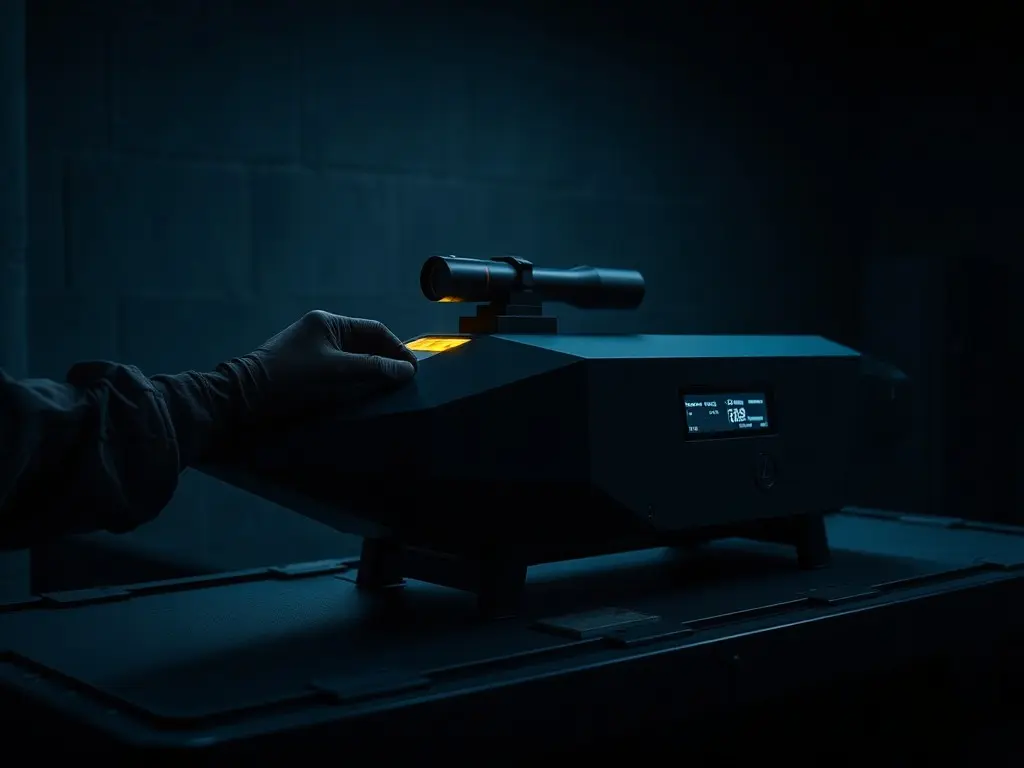
Raytheon and Lockheed Martin delivered the first next-generation Lightweight Command Launch Units (LWCLU) for the Javelin missile system to the U.S. Army, featuring improved infrared targeting, reduced size, and weight while maintaining compatibility with existing missiles. The Pentagon’s 2025 weapons testing report confirms the launchers will begin urgent fielding in the second quarter of fiscal 2026, following fixes to a 2023 software fault that delayed earlier plans for mid-2025 deployment.
Raytheon and Lockheed Martin, through their Javelin Joint Venture (JJV) partnership, have delivered the first Lightweight Command Launch Units (LWCLU) for the Army’s Javelin missile system. The new launchers replace the legacy system and incorporate advanced infrared camera technology, doubling target detection range while reducing size by 30% and weight by 25%. They remain compatible with both old and new Javelin missiles. The Pentagon’s 2025 weapons testing report highlights the LWCLU’s enhanced mobility and survivability, though earlier deployment plans were delayed due to a software fault identified in 2023. The Army confirmed the issue was resolved in 2024, allowing for the current delivery and an expected ‘urgent fielding’ beginning in the second quarter of fiscal 2026. Jenna Hunt Frazier, president of the JJV and Raytheon’s Javelin program director, emphasized the commitment to modernizing the system for soldiers. Rich Liccion, JJV vice president and Lockheed Martin’s Javelin program director, noted the launcher’s design improves operational effectiveness while preserving precision firepower. The delivery marks a key step in modernizing the Javelin system, though details on unit quantities, costs, or recipient Army units remain undisclosed. The Army and companies did not respond to requests for further clarification on the deployment specifics.
This content was automatically generated and/or translated by AI. It may contain inaccuracies. Please refer to the original sources for verification.