Reading, math scores are sliding nationwide. These Pa. school districts are bucking the trend
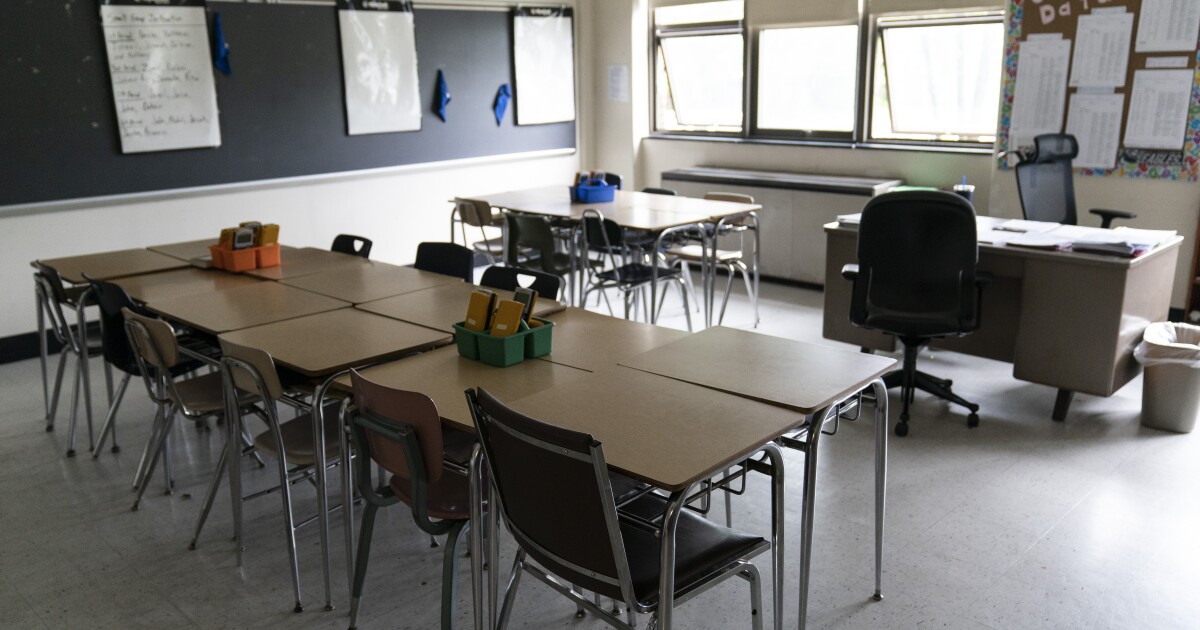
New data from the Education Scorecard shows U.S. students remain nearly half a grade level behind pre-pandemic reading scores, but West Allegheny School District in Pennsylvania has outperformed national trends with gains in both reading and math. Researchers highlight the district’s focus on early literacy, teacher quality, and phonics-based instruction as key factors in its success, while Pennsylvania ranks 27th nationally in reading recovery efforts.
A national analysis by scholars at Harvard, Stanford, and Dartmouth reveals U.S. students are still lagging in reading and math compared to pre-pandemic levels, with third to eighth graders across 38 states showing limited progress. The Education Scorecard identifies West Allegheny School District in Pennsylvania as an outlier, with students scoring nearly half a grade level higher in reading and three-quarters of a grade level ahead in math since 2019. Superintendent Jerri Lippert credits the district’s success to full-day Pre-K programs, data-driven instruction, and a focus on early literacy, which she calls the foundation for academic growth. The district’s approach contrasts with broader trends, where eighth-grade reading scores have declined since 2013 and fourth-grade scores since 2015, according to the National Assessment for Educational Progress. While Pennsylvania ranks 21st in math recovery and 27th in reading among the analyzed states, West Allegheny stands out as one of just 108 districts nationwide achieving significant gains in both subjects. Researchers urge states to study these districts to replicate their strategies, emphasizing the need for targeted interventions. West Allegheny’s shift began in 2014 when Lippert expanded Pre-K to full days and replaced half-day kindergarten, prioritizing early reading skills. The district’s success aligns with states like Louisiana, Maryland, and Tennessee, which improved reading scores by adopting phonics-based instruction known as the science of reading. Experts warn that the pandemic exacerbated years of declining achievement, but districts like West Allegheny prove that structured, evidence-based methods can reverse the trend. Thomas Kane, a Harvard professor and co-creator of the Education Scorecard, notes that the U.S. faces a ‘reading recession’ that predates COVID-19, requiring urgent action. While Pennsylvania’s scores have inched up since 2022, students remain about half a year behind pre-pandemic levels. The data underscores the importance of personalized learning, teacher training, and phonics-focused curricula to close the achievement gap.
This content was automatically generated and/or translated by AI. It may contain inaccuracies. Please refer to the original sources for verification.