Record ocean heat off California coast echoes ‘The Blob,’ killing seabirds and reshaping weather outlook
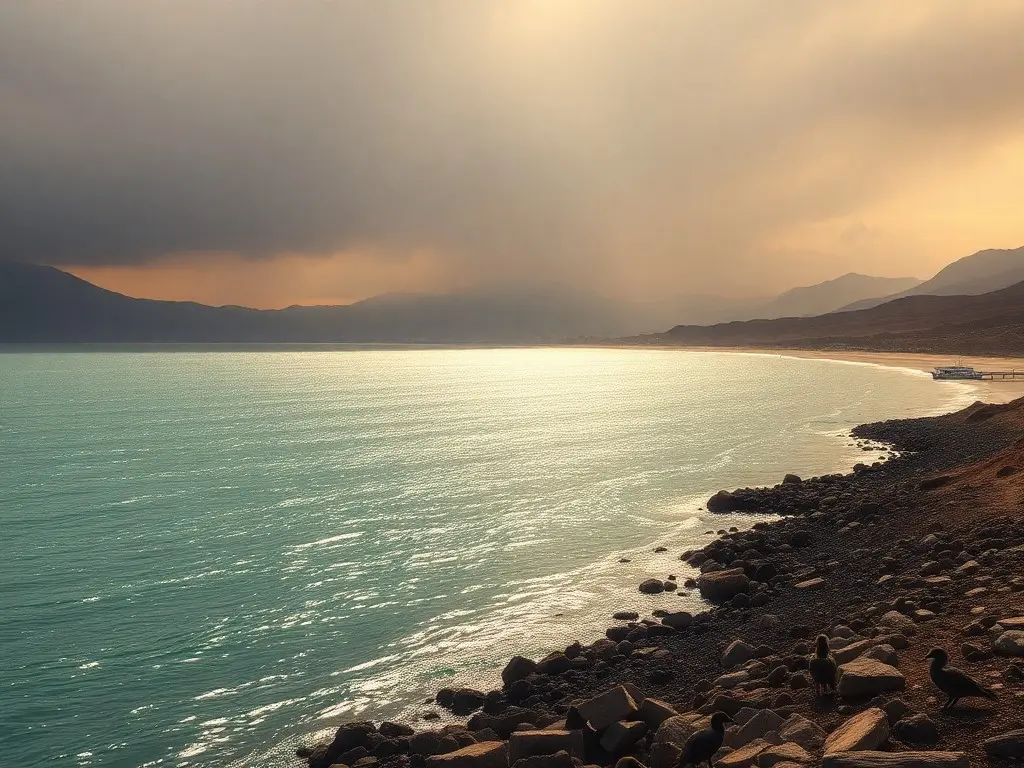
A record-breaking marine heatwave off California’s coast, with temperatures up to 7 degrees hotter than average, is killing seabirds like brown pelicans and cormorants by displacing their fish prey. Scientists warn this event, linked to wind patterns and high-pressure systems, could worsen wildfires, increase thunderstorms, and prolong extreme weather through the summer, mirroring the impacts of the 2014-2015 'The Blob' phenomenon.
An intense marine heatwave has gripped the Pacific Ocean off California, stretching from Washington to Baja Mexico, with temperatures near San Diego reaching 71 degrees in March—levels typically seen in August. Researchers at Scripps Institution of Oceanography recorded 38 days this year where ocean temperatures at their La Jolla pier broke records dating back to 1916, while other coastal areas like Newport Beach, Santa Barbara, and Pacific Grove also saw repeated record highs. The heatwave is starving seabirds, including brown pelicans, cormorants, and common murres, which rely on sardines and anchovies now fleeing to deeper, cooler waters. International Bird Rescue, a nonprofit, reports hundreds of dead or emaciated birds washing ashore from Monterey Bay to the Mexican border, with some facilities treating malnourished birds in Fairfield and San Pedro. Scientists attribute the heatwave to altered wind patterns preventing cold water from rising and a persistent high-pressure system driving record land temperatures. This could bring hotter, more humid conditions to California this summer, along with an elevated risk of thunderstorms and dry lightning, exacerbating wildfire dangers. Experts also warn of potential tropical cyclone remnants, like those from Hurricane Hilary in 2023, which caused flooding and closed Death Valley National Park. The event resembles 'The Blob,' a marine heatwave in 2014-2015 that disrupted ecosystems, reduced salmon runs, and triggered harmful algal blooms shutting down shellfish fisheries. Climate scientist Daniel Swain of UC Agriculture and Natural Resources predicts the current heatwave will persist through the year, significantly influencing California’s weather and wildfire season. Melissa Carter, a Scripps oceanographer, called the heatwave 'extreme' due to its duration and intensity, while J.D. Bergeron of International Bird Rescue described seabirds as 'the canary in the coal mine,' signaling broader ecological distress. The phenomenon underscores growing concerns about ocean warming and its cascading effects on marine life and coastal communities.
This content was automatically generated and/or translated by AI. It may contain inaccuracies. Please refer to the original sources for verification.