Red Sea crisis explained: How a closure could disrupt global trade, spike shipping costs and fuel inflation
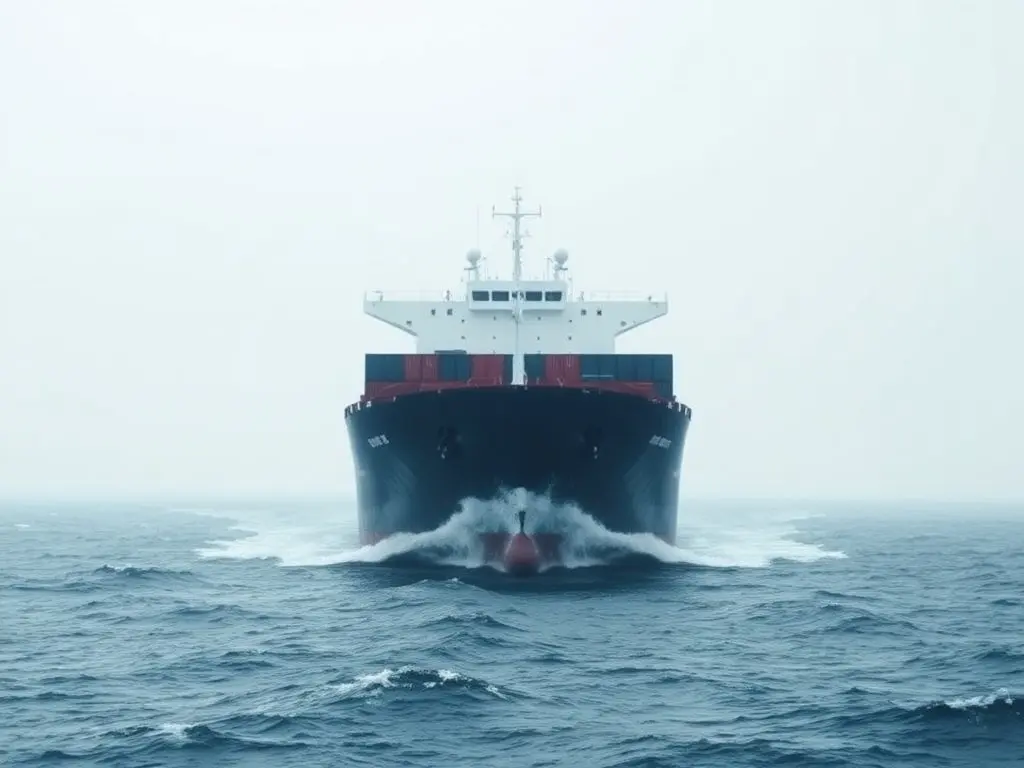
The Red Sea is a critical global trade route, handling 12-15% of global trade volumes, and its closure could disrupt trade, spike shipping costs, and fuel inflation. A closure would force ships to reroute around Africa, increasing transit times by 10-15 days and reducing global container shipping capacity by 9%.
The Red Sea is a vital global trade artery, handling 12-15% of global trade volumes. A closure would disrupt tens of thousands of vessels annually, forcing ships to reroute around Africa, adding 3,500-4,000 nautical miles and 10-15 days to Asia-Europe journeys. This would reduce global container shipping capacity by 9%, equivalent to removing a significant portion of the global fleet's efficiency. Industries reliant on just-in-time logistics, such as automotive and electronics, are vulnerable to such disruptions. Shipping costs would surge, with container freight rates already increasing nearly fivefold on Asia-Europe routes. The economic impact would extend beyond shipping, feeding into inflation and affecting sectors reliant on imported goods.
This content was automatically generated and/or translated by AI. It may contain inaccuracies. Please refer to the original sources for verification.