Reform surge signals tectonic shift in British politics
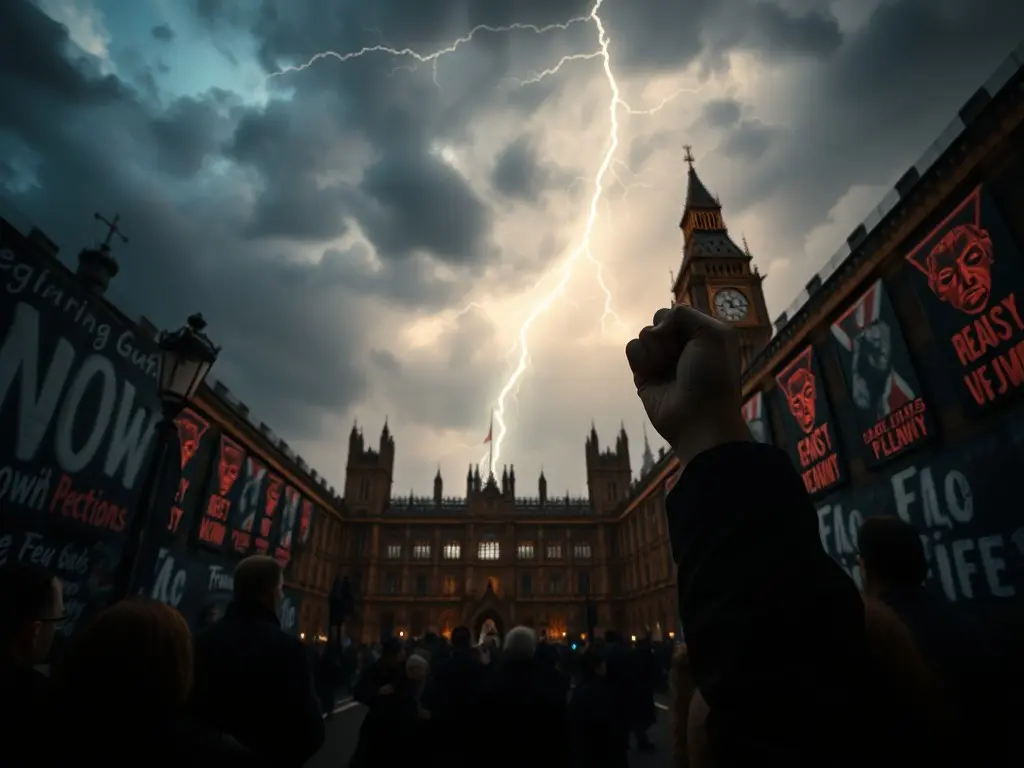
Reform UK, led by Nigel Farage, made significant gains in recent UK municipal and regional elections, surpassing both Labour and the Conservatives and threatening the traditional two-party system. The results have intensified pressure on Prime Minister Keir Starmer, who won a landslide in 2024 but now faces potential cabinet resignations and a looming political crisis ahead of the 2029 general election.
Reform UK secured a major victory in last week’s municipal and regional elections across England, Scotland, and Wales, outperforming both the ruling Labour Party and the Conservative opposition. The party, led by Nigel Farage—a long-time populist figure known for his role in the Brexit movement—finished ahead of Labour and the Conservatives, signaling a seismic shift in British politics. Prime Minister Keir Starmer, who won a landslide general election victory in 2024, now faces mounting pressure to address the results, with speculation that his cabinet could face dismissals if they prove disloyal. The election results mark a potential turning point for the UK’s long-standing two-party system, which has historically provided political stability. Reform UK’s rise resembles a ‘tsunami warning’ rather than an immediate sea-change, but its success poses an institutional threat to both major parties. Farage, the architect behind Reform UK, previously led the UK Independence Party (UKIP) and later the Brexit Party, both of which capitalized on anti-EU sentiment. His influence has consistently reshaped British politics, from forcing the 2016 Brexit referendum to pushing the UK’s departure from the EU. The 2016 referendum, which resulted in a 52% vote to leave the EU, was partly driven by Farage’s campaigning, despite warnings from then-Prime Minister David Cameron about the risks of constitutional destabilization. After Brexit was finalized in January 2020, the Brexit Party rebranded as Reform UK, positioning itself as the dominant force on the populist right. The party’s recent electoral success suggests growing public dissatisfaction with the status quo, potentially setting the stage for a major realignment in the 2029 general election. Starmer’s government, which does not face another election until 2029, may now need to take drastic measures to improve public confidence. Historical precedents, such as the 1945 shift from Churchill to Attlee or the 1979 rise of Thatcher, show how mid-term elections can foreshadow broader political transformations. If Labour fails to address the issues driving Reform UK’s support, the party could face a similar fate to the Conservatives, who have struggled to recover from Brexit’s fallout. The results highlight a fractured political landscape, with Reform UK’s populist agenda challenging the traditional center-left and center-right establishments. Farage’s continued influence, combined with the party’s rapid growth, underscores a potential long-term threat to Labour’s dominance. For Starmer, the coming years will be critical in determining whether his government can adapt or risk becoming a casualty of the shifting political tide.
This content was automatically generated and/or translated by AI. It may contain inaccuracies. Please refer to the original sources for verification.