Reimagining Vegetation Management for a Changing Climate
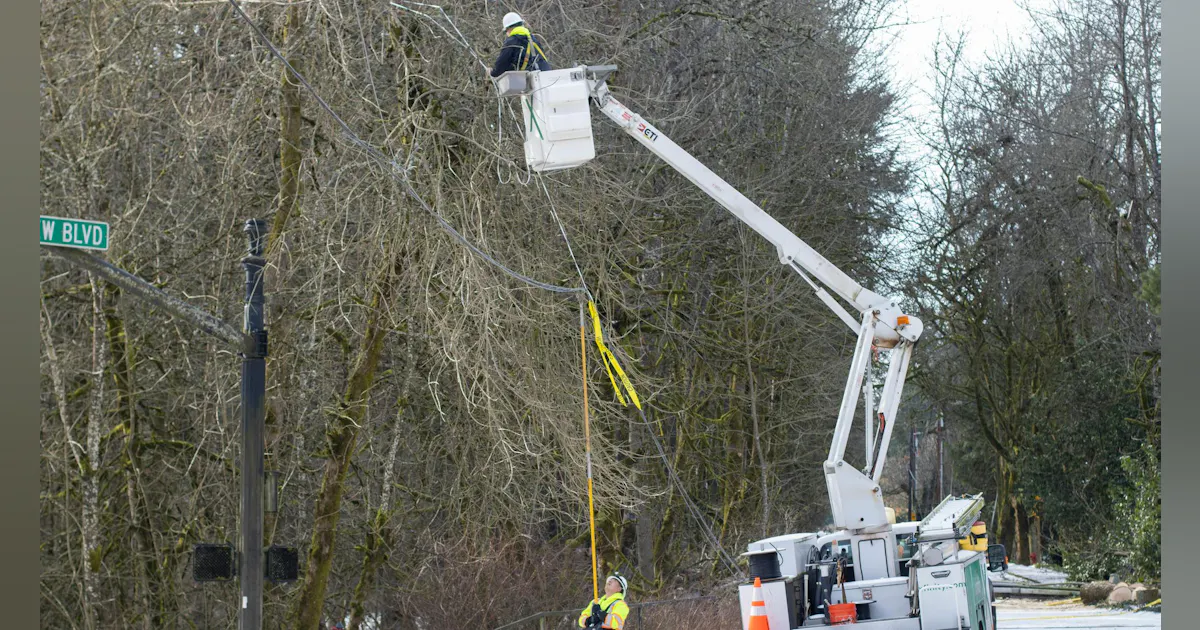
Utilities in the U.S. face rising risks from climate-altered vegetation patterns, with traditional methods proving unreliable due to drought, erratic growth, and wildfire threats. Experts urge a shift to AI-driven, adaptive strategies to replace outdated calendar-based maintenance and improve grid reliability amid aging infrastructure and workforce shortages.
Utilities in the U.S. spend between $6-8 billion annually on vegetation management to maintain 700,000 miles of overhead power lines, yet climate change is undermining traditional approaches. Erratic weather—including drought-stressed trees, sudden growth spurts, and heightened wildfire risks—has made predictable maintenance schedules ineffective, increasing outages and safety hazards. Approximately 70% of the nation’s power lines exceed 25 years in age, operating under conditions far harsher than their original design assumptions, while nearly a quarter of North American energy professionals plan to retire within five years, exacerbating skills gaps. Calendar-based trimming, once reliable, now fails as climate volatility disrupts growth patterns. A corridor cleared in spring may require re-inspection months later due to unexpected rainfall or drought, while drought-weakened trees pose fire and collapse risks. Regions previously deemed low-risk now face elevated wildfire threats, rendering decades-old regional practices obsolete. The solution lies in transitioning from scheduled maintenance to condition-based strategies, leveraging AI and real-time data to predict risks. Advanced models can integrate weather forecasts, soil conditions, and high-resolution imagery to identify high-risk areas with precision, optimizing resource deployment. This shift transforms vegetation management into a data-driven operation, addressing climate realities rather than historical assumptions. Industry experts emphasize that success depends on adopting intelligent systems capable of adapting to dynamic conditions. Without such innovations, utilities risk continued reliability failures, higher costs, and increased safety risks as climate change reshapes vegetation behavior across the U.S.
This content was automatically generated and/or translated by AI. It may contain inaccuracies. Please refer to the original sources for verification.