Report: Disruption of Mideast energy supplies into next year would slam global economy
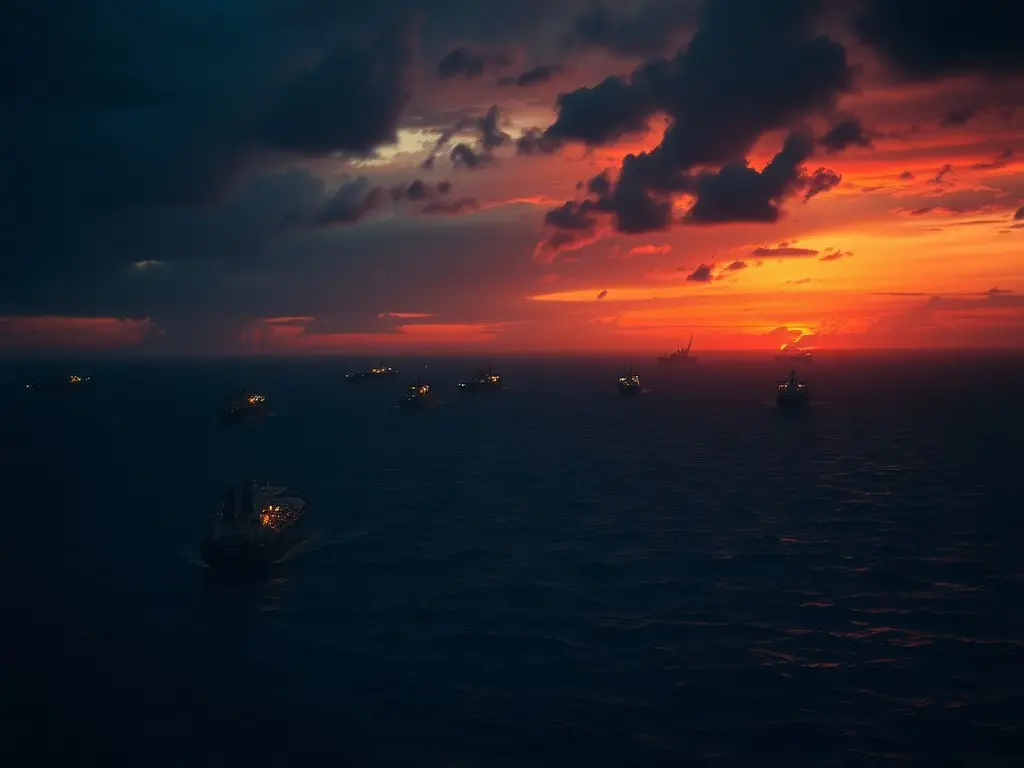
The Organization for Economic Cooperation and Development (OECD) warned that prolonged Middle East energy supply disruptions from the Iran war could slam global growth to 1.8% in 2027, pushing economies into recession and worsening inflation. Shipping through the Strait of Hormuz has dropped over 90%, disrupting 20% of global crude oil, fuel, and natural gas supplies, with poorer nations facing severe poverty impacts.
The Organization for Economic Cooperation and Development (OECD) issued a report warning that prolonged disruptions to Middle East energy supplies—triggered by the Iran war—could severely damage the global economy. Under its prolonged disruption scenario, global growth would plummet from 3.4% in 2025 to 2.1% this year and 1.8% in 2027, risking recession and higher unemployment worldwide. Asian economies, heavily reliant on Persian Gulf crude oil, fuel, and natural gas, would face the harshest blow, while poorer nations—where citizens spend more on energy and food—would struggle with inflation and poverty. The OECD cited the closure of the Strait of Hormuz, where shipping has fallen over 90% due to Iranian attack risks, disrupting about 20% of global crude oil, fuel, and natural gas supplies. A time-limited disruption scenario, where Gulf energy production resumes mid-2026, projects slower growth of 2.8% this year and a rebound to 3.1% in 2027. OECD Secretary-General Mathias Cormann emphasized that prolonged disruptions would deepen economic and social costs, urging targeted government spending to support vulnerable populations without accumulating excess debt. The report follows a UN study highlighting that rising energy prices could push nearly a billion people in poorer countries and small island states into extreme poverty, forcing trade-offs between energy costs and essential public services. Over 30% of people in these regions already live on $3 or less per day. The OECD, an intergovernmental organization of 38 democracies, stressed that while a declared ceasefire remains in place between the US and Iran, ongoing violence and shipping risks persist. The economic outlook has weakened significantly since the Middle East conflict began, with effects expected to linger. Cormann cautioned that energy cost relief measures should be temporary and focused on those most in need to avoid long-term debt burdens. The disruptions have already sent global growth into a sharp decline, with recovery dependent on the duration of the conflict and restoration of energy flows.
This content was automatically generated and/or translated by AI. It may contain inaccuracies. Please refer to the original sources for verification.