Report: Software Is the Biggest Bottleneck to Robotics Innovation as Physical AI Accelerates
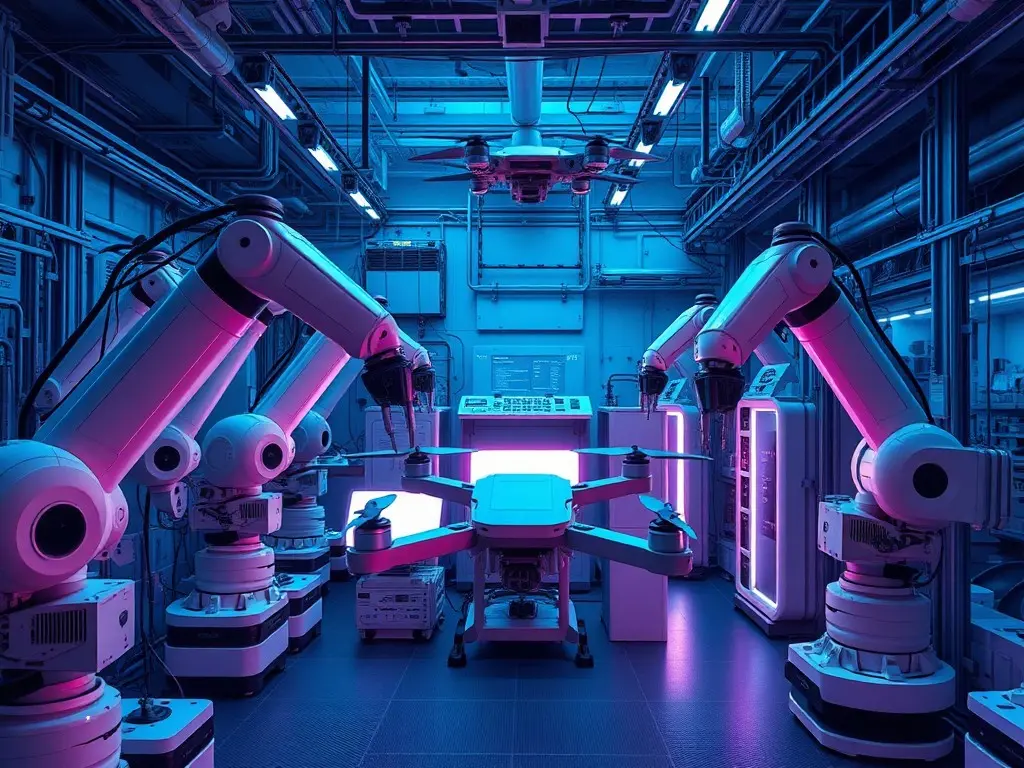
QNX, a BlackBerry division, released a report showing software architecture and integration are now the biggest bottleneck in robotics innovation, surpassing hardware limitations, with 85% of developers expecting AI-driven decision-making and cybersecurity to dominate future investments. Despite 95% of respondents prioritizing deterministic real-time execution, 91% still rely on general-purpose operating systems, creating tensions between flexibility and safety as robots increasingly operate alongside humans in dynamic environments.
QNX, a division of BlackBerry Limited, published the *Inside the Robot: Architecture Benchmark Report* on May 27, 2026, based on a survey of 1,000 global robotics developers. The report highlights that software architecture and integration—cited by 27% of respondents—have overtaken hardware as the primary bottleneck in robotics development. This shift reflects the growing demand for systems that are predictable, secure, and capable of handling mixed criticality levels as robots transition from controlled environments to real-world settings like city streets and factory floors. Developers anticipate software’s role will expand further, with 85% expecting increased investment in AI-driven decision-making (51%) and cybersecurity (51%), followed by operating systems and real-time control software (37%). Over 83% of respondents already deploy robots alongside humans, and 67% of those not yet doing so plan to within three to five years. This trend demands higher reliability, safety, and predictable behavior, yet 91% of teams still use general-purpose operating systems (GPOS) despite recognizing safety-certified solutions as the best fit. A majority (86%) of GPOS users are open to switching systems to meet these needs. Regulatory hurdles exacerbate challenges, with 66% of respondents reporting project delays due to certification processes, peaking at 70% in the UK and Germany. Compliance with cybersecurity (ISO/SAE 21434) and functional safety standards (ISO 10218) is particularly difficult, cited by 51% and 49% of developers, respectively. Despite these obstacles, 89% of respondents remain committed to advancing physical AI, emphasizing the industry’s high ambitions amid uneven readiness for real-world deployment. The report underscores a growing tension between the need for flexible, adaptable software and the strict requirements of safety-critical applications. As robots become more integrated into human environments, developers face pressure to balance innovation with compliance, reliability, and security. The findings suggest that future progress in robotics will depend on overcoming these software and regulatory challenges to unlock the full potential of AI-enabled systems.
This content was automatically generated and/or translated by AI. It may contain inaccuracies. Please refer to the original sources for verification.