Report: Texas data centers may increase pressure on the state’s strained water supplies
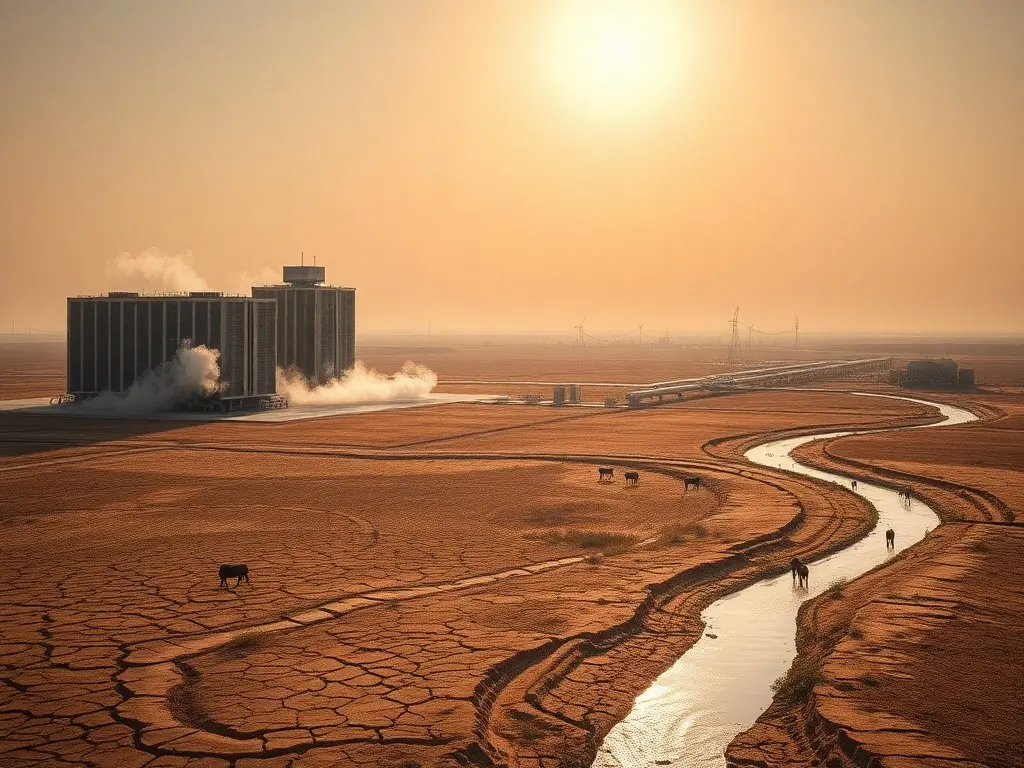
A University of Texas at Austin report warns Texas data centers could account for 3% to 9% of the state’s total water use by 2040, straining supplies amid drought and industrial growth. Researchers urge transparency, coordination, and alternative water sources like reclaimed wastewater to mitigate the impact of AI-driven data center expansion.
A new report from the University of Texas at Austin estimates Texas data centers could consume between 3% and 9% of the state’s total water supply by 2040, up from less than 1% today. The findings highlight growing concerns as over 400 data centers are already operational or under construction, driven by artificial intelligence and cloud computing demands. Data centers rely heavily on water for cooling servers and electricity generation, though exact usage remains uncertain due to varying cooling systems and energy sources. Researchers say current infrastructure and regulations may not be equipped to handle the rapid growth tied to AI advancements. Texas faces worsening water shortages, with a state analysis projecting a $174 billion investment need over the next 50 years to avoid a crisis. Cities like Corpus Christi have already imposed water restrictions due to drought and shrinking reservoirs, exacerbating the strain on supplies. Last month, Texas lawmakers held a hearing to assess the impact of data center expansion on the state’s power grid and water resources. The discussion raised questions about whether existing systems can support the industry’s explosive growth. The University of Texas researchers recommend increasing transparency in water usage reporting, improving coordination between data center operators, utilities, and local governments, and adopting alternative water sources like reclaimed wastewater. These steps aim to reduce pressure on Texas’ already strained water supplies in the coming decades.
This content was automatically generated and/or translated by AI. It may contain inaccuracies. Please refer to the original sources for verification.