Republican plan to put voter ID into Ohio Constitution faces public criticism
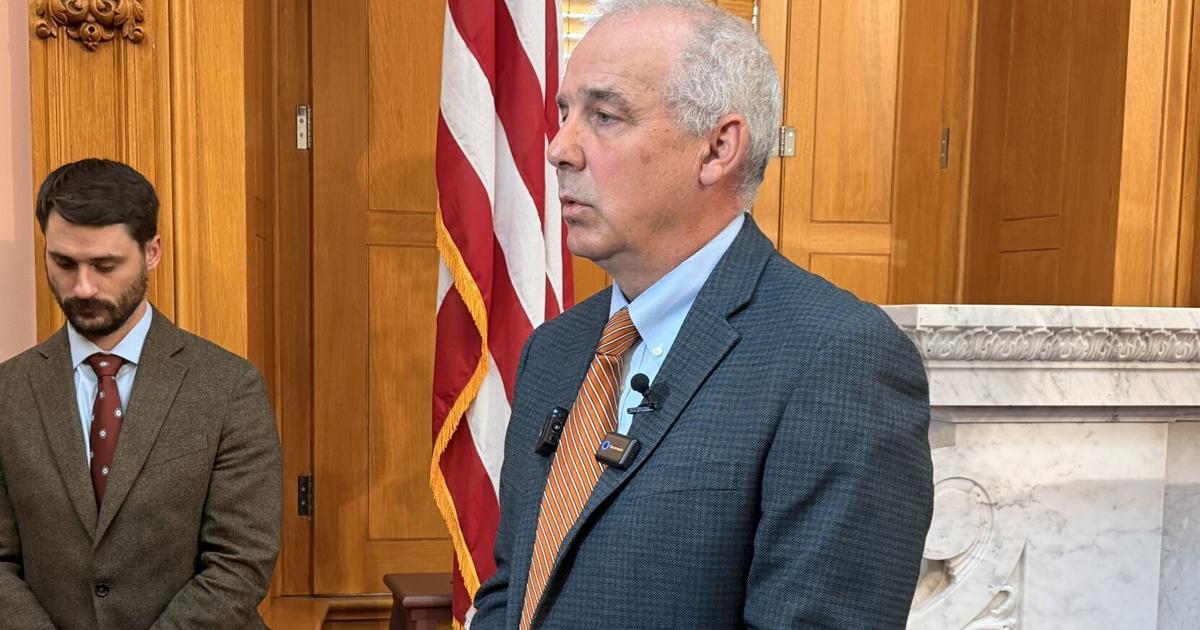
Ohio Republicans introduced House Joint Resolution 9 to enshrine voter ID requirements in the state constitution, facing criticism from opponents who argue the measure is unnecessary since Ohio already mandates voter ID. The proposal, set for a November ballot, drew nearly 80 testimonies opposing it, with supporters framing it as a safeguard for election integrity while critics called it a political distraction.
Ohio Republicans advanced a proposal on May 27 to permanently embed voter ID requirements into the state constitution via House Joint Resolution 9, aiming to place it on the November ballot. The measure, which already has a Republican supermajority in both chambers, requires a 3/5 vote for approval before reaching voters. Testimony at the first public hearing included nearly 80 opposing statements, primarily from individual Ohioans and advocacy groups like the ACLU of Ohio, which called the amendment unneeded and politically motivated. The resolution mandates that voters provide identification such as an Ohio driver’s license, U.S. passport, military ID, or other state-approved documents to cast a ballot. Critics argued Ohio law already enforces voter ID, questioning the urgency of constitutionalizing it. Gary Daniels, legislative director for the ACLU of Ohio, stated the amendment was a waste of legislative time, driven by partisan politics rather than necessity. Supporters, including the Republican Catholic Coalition, framed voter ID laws as essential to maintaining public trust in elections. They argued that without such safeguards, confidence in democratic processes erodes, and voter dignity is diminished. House Speaker Matt Huffman, R-Lima, dismissed the opposition testimony as unrepresentative, noting that most Ohioans cannot attend statehouse hearings. He argued that public opinion should not be determined solely by those who testify. Democrats, like House Minority Leader Dani Isaacsohn, D-Cincinnati, countered that the debate should focus on whether limited legislative resources should be spent on constitutionalizing an existing law. A 2025 Pew Research survey cited by Republicans showed broad bipartisan support for voter ID laws, with 95% of Republicans and 71% of Democrats favoring them. However, Isaacsohn argued the amendment’s necessity was irrelevant to its political implications. Additional hearings are scheduled this week, with final approval requiring a 3/5 majority in both the House and Senate. If passed, Ohio voters would decide in November whether to permanently enshrine voter ID requirements in the state constitution.
This content was automatically generated and/or translated by AI. It may contain inaccuracies. Please refer to the original sources for verification.