Researchers are giving salmon cocaine. Don't worry, it's for science
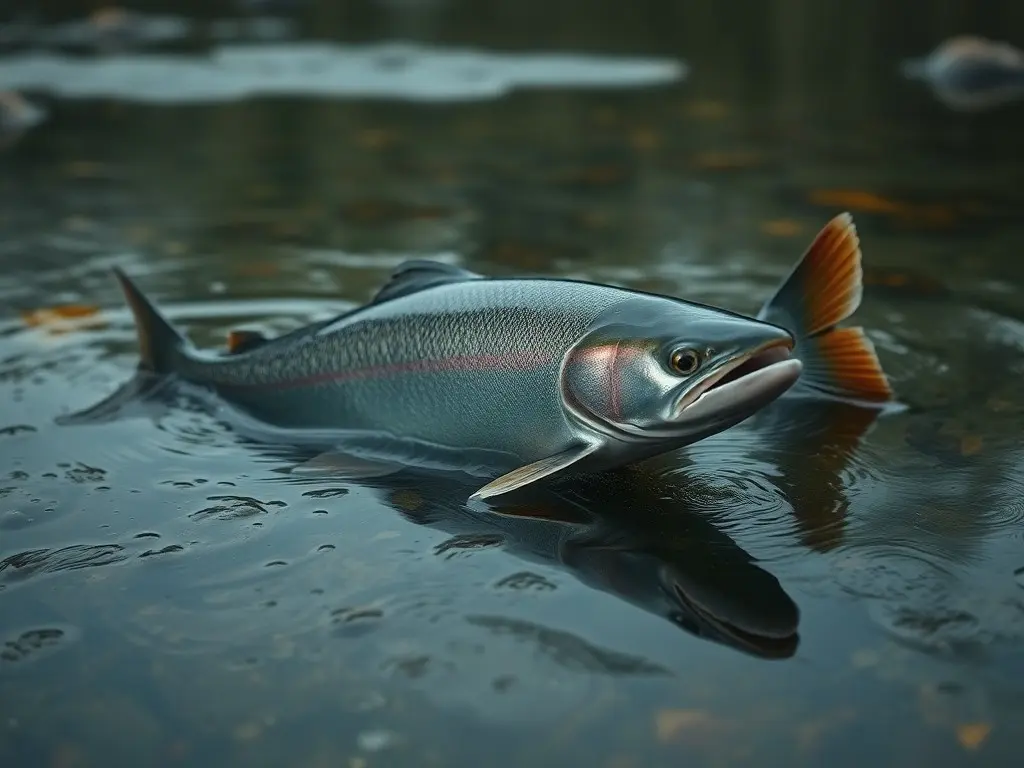
Researchers in Sweden gave juvenile Atlantic salmon cocaine or its metabolite, benzoylecgonine, and found that they swam farther than their sober counterparts. The study suggests that exposure to these substances could expose fish to more risk, such as poor habitat or new predators.
Researchers at the Swedish University of Agricultural Sciences conducted a study on juvenile Atlantic salmon in Lake Vättern, exposing them to cocaine or its metabolite, benzoylecgonine, using slow-release chemical implants. The study found that fish exposed to benzoylecgonine swam almost twice as far per week and dispersed 12 kilometers farther across the lake. The effects were weaker and less consistent for fish exposed to cocaine. The researchers tracked the salmon over eight weeks. Many wastewater treatment plants can't filter out illicit drugs and pharmaceuticals, sending them into waterways. Cocaine has been detected in waterways worldwide, including in the muscles and liver of wild sharks off the coast of Rio de Janeiro and in small freshwater fish downstream from wastewater treatment plants in Canada.
This content was automatically generated and/or translated by AI. It may contain inaccuracies. Please refer to the original sources for verification.